Suspect in Attack on Eloá Pimentel's Brother Killed by Police in São Paulo
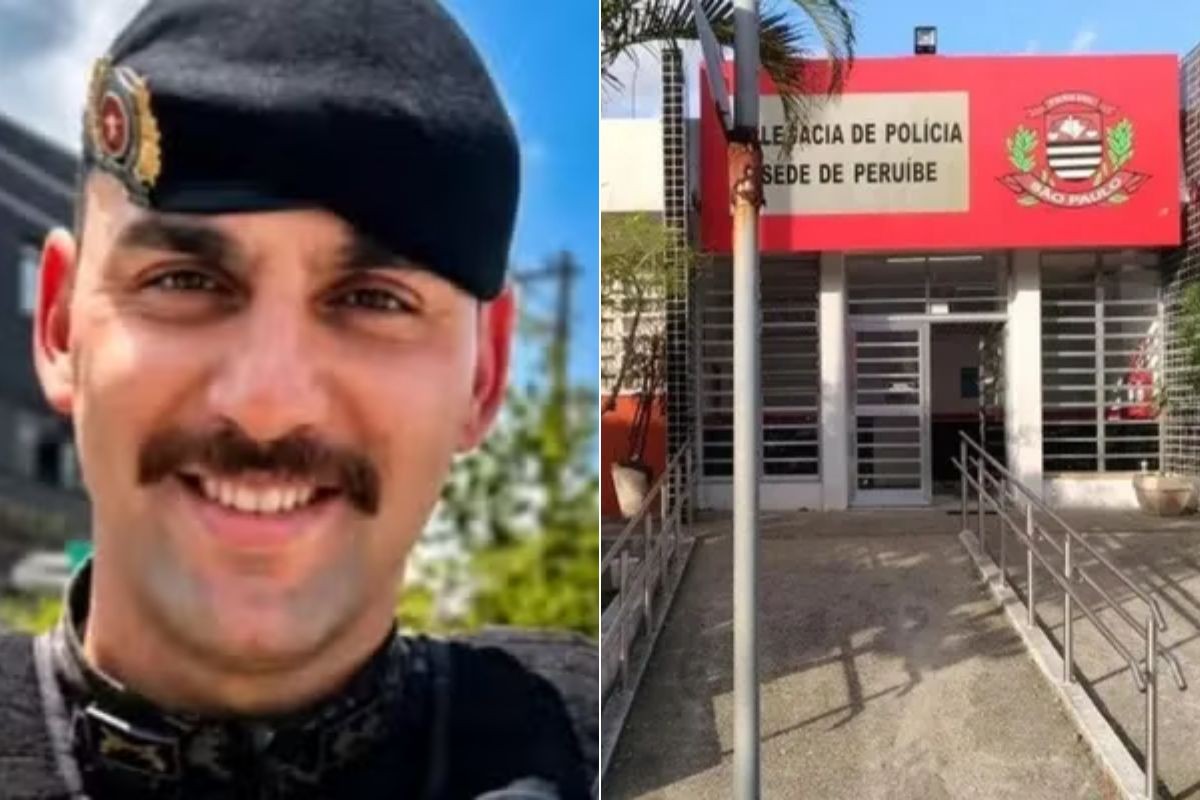
Elenilson Misael Da Silva, identified as 'Galego' and a member of a criminal organization, was killed in a confrontation with Rota (Rondas Ostensivas Tobias de Aguiar) officers in Peruíbe, São Paulo state. Police allege Da Silva was involved in an attack on Police Lieutenant Ronickson Pimentel dos Santos, the brother of Eloá Pimentel. The incident occurred on Thursday night, November 2nd, following a police tip about Da Silva's location. Officers identified the vehicle he was driving, but he fled when he noticed their presence. A pursuit ensued, leading to a confrontation on Rua Cuiabá during an attempted police stop. Da Silva was reportedly subdued, disarmed, and taken to a local UPA (Unidade de Pronto Atendimento), where he later died. Four empty shell casings were found near his car at the scene. Police involved in the confrontation provided statements, and their weapons and ammunition were seized. The Secretariat of Public Security of São Paulo had not commented on the incident as of the report's publication. Lieutenant Pimentel was shot in the head on June 27th in São Caetano do Sul while on a motorcycle. Two assailants approached him at a traffic light and opened fire before fleeing. He remains hospitalized in serious condition. Eloá Pimentel was infamously murdered in 2008 by her ex-boyfriend, Lindemberg Fernandes Alves, after a 100-hour hostage situation that garnered significant national media attention.
This event highlights the ongoing challenges in law enforcement's efforts to apprehend individuals linked to organized crime and violent offenses. The operation, resulting in the death of a suspect allegedly involved in an attack on a police officer, underscores the inherent risks in such encounters. The case also draws attention to the persistent impact of high-profile past crimes, such as the Eloá Pimentel case, on current public perception and law enforcement priorities. Future analysis should consider the effectiveness of current policing strategies in de-escalating confrontations and ensuring accountability, while also examining the systemic factors that contribute to the cycle of violence and criminal activity within affected communities. The integration of advanced surveillance technologies and community-based intelligence gathering may offer avenues for reducing direct confrontations and improving public safety outcomes.
AI-generated to prompt reflection — not editorial opinion, not advice, not a statement of fact. How this works.