Suspect in Concrete-Encased Body Case Arrested in Uberlândia
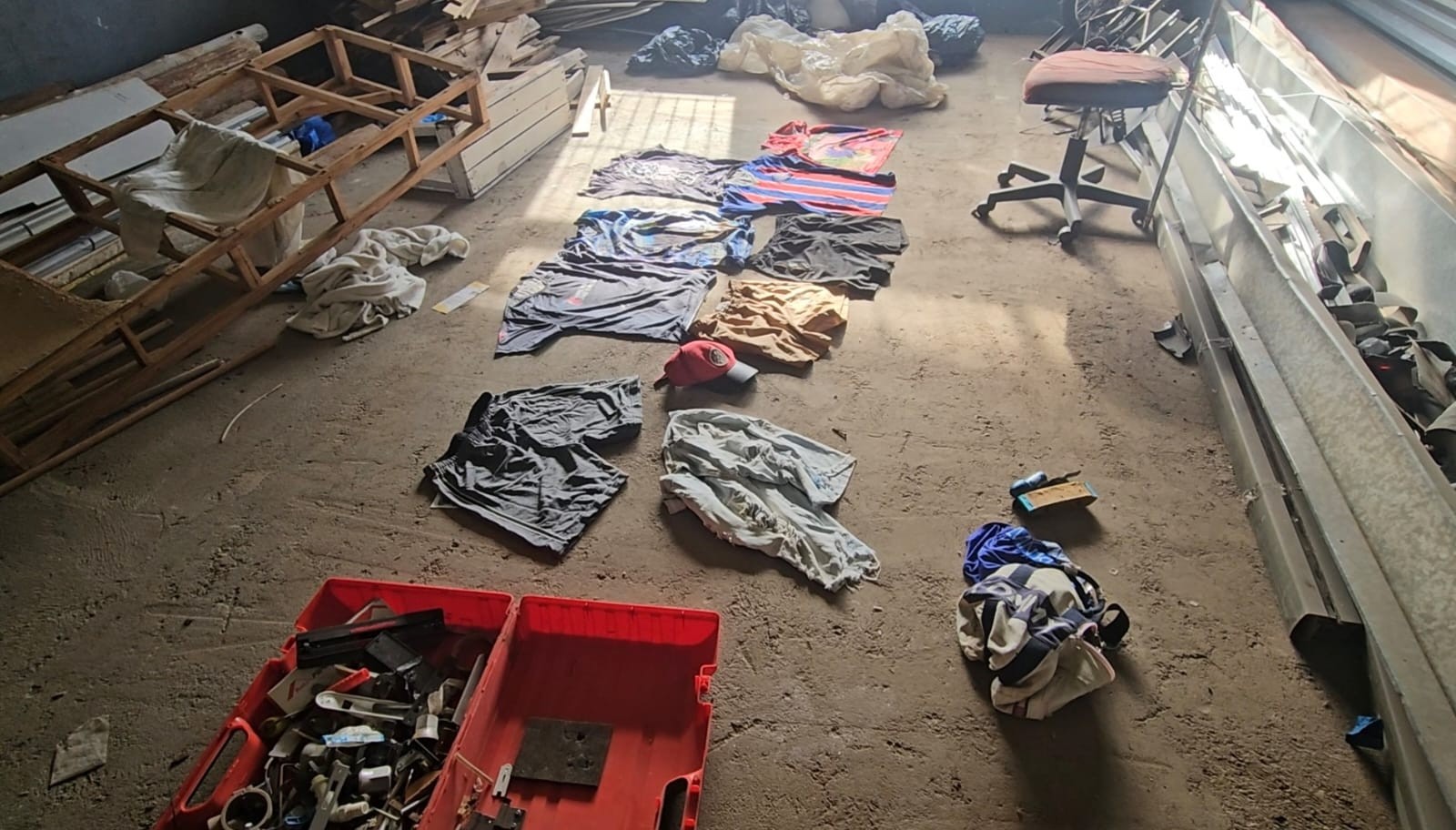
Police in Uberlândia, Brazil, have arrested a suspect believed to be the driver involved in the kidnapping of Euclides Oliveira, 62. This marks the third arrest in connection with the crime, which occurred on June 8. The suspect, whose identity and age have not been disclosed, allegedly drove the vehicle used in the abduction. The car itself was found at another suspect's residence. Oliveira had been missing since June 8, and his body was discovered on June 16 inside a refrigerator carcass in the Nossa Senhora das Graças neighborhood. Authorities report that Oliveira was kidnapped from his doorstep in the Tibery neighborhood and that his body showed signs of being encased in concrete and partially burned. The investigation suggests Oliveira was killed by members of a criminal faction after being accused by a child's family of sexual abuse, leading to a 'crime tribunal' and execution. Police stated there is no official report or evidence to support the sexual abuse allegations against Oliveira. The operation, named 'Veritas Lex,' involved executing arrest and search warrants, leading to the arrest of two individuals for drug trafficking as well. Investigators reconstructed the suspects' movements from the abduction to a warehouse in the Jardim Europa neighborhood, where Oliveira was allegedly subjected to the 'crime tribunal.' Evidence suggests the perpetrators purchased cement and sand to encase the body within a refrigerator, which was then dumped in a lot. The victim was found with his hands bound, indicating torture prior to death.
This case highlights the dangers of vigilante justice and parallel legal systems operating outside state authority. The alleged involvement of a criminal faction in carrying out an extrajudicial 'crime tribunal' based on unproven accusations underscores a breakdown in formal legal processes and public trust. The police's emphasis on investigating and prosecuting this parallel justice system, rather than validating the accusations, is crucial for upholding the rule of law. Future challenges will involve addressing the systemic issues that may lead individuals to resort to such extreme measures, potentially through community outreach, improved access to justice mechanisms, and robust child protection services that ensure due process for all parties.
AI-generated to prompt reflection — not editorial opinion, not advice, not a statement of fact. How this works.