Suspect in Cultural Producer's Hit-and-Run in João Pessoa Testifies to Police
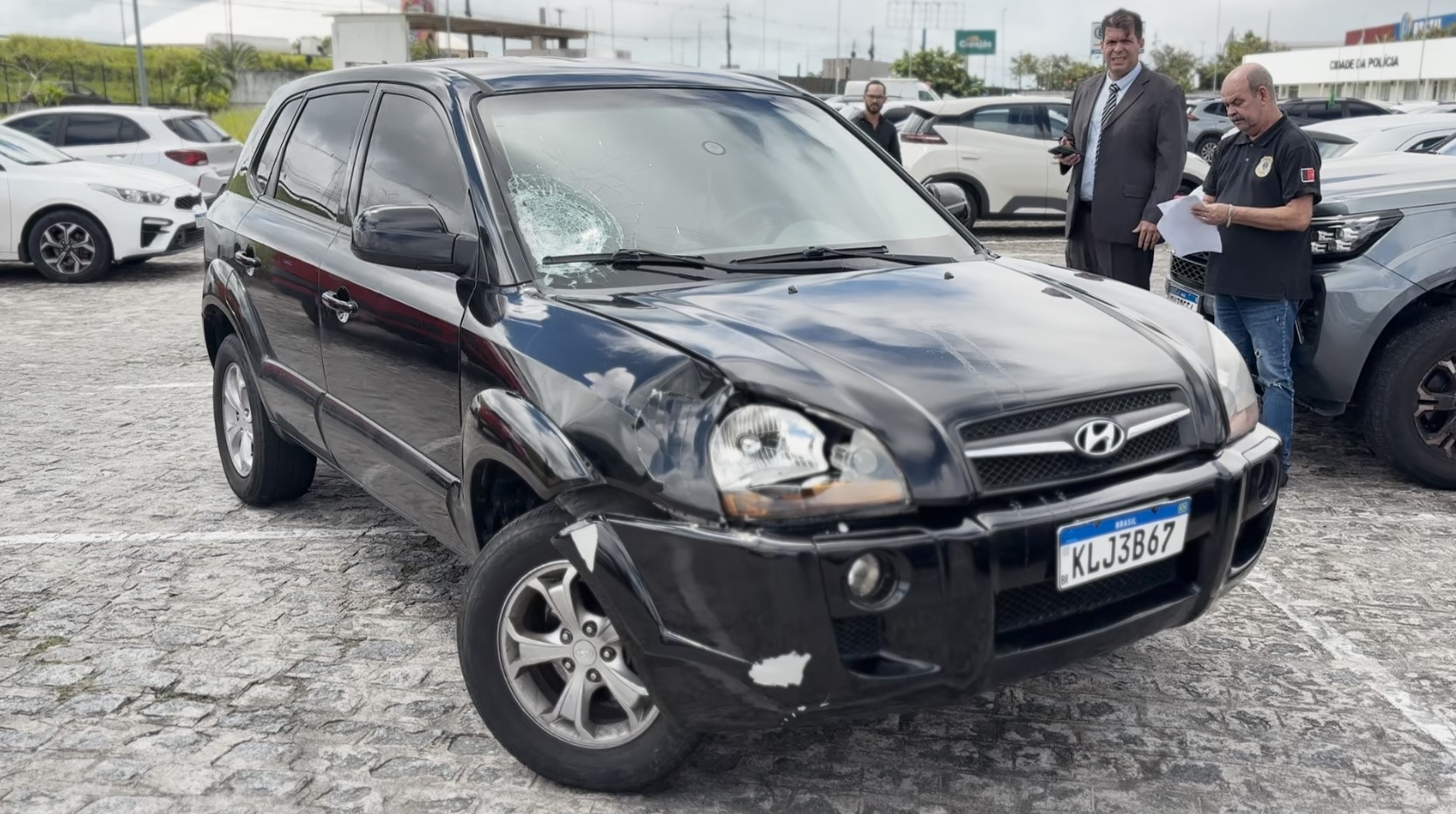
Marcos Afrânio Garcez, a retired military firefighter from the Federal District, has given a statement to Civil Police in João Pessoa regarding the hit-and-run incident involving cultural producer Erick Araújo, 36. Garcez confirmed he was driving the car at the time of the incident on Wednesday, April 22nd, but his account contradicted evidence gathered by investigators. Initially, Garcez claimed he spent the night at a friend's house and went straight home without stopping at any bars or consuming alcohol. However, after being shown video evidence, he admitted to being at an establishment during the early morning hours of the incident, though he maintained he did not drink there. Garcez also stated he did not know Araújo and had no prior contact with the victim. He claimed he believed he had hit an animal, not a person, during the collision. Police noted that the vehicle's broken windshield suggests a significant impact, questioning the animal claim. The car, which Garcez identified as his despite the registration not being finalized, was taken for forensic examination. The incident occurred on Saturday, April 18th, when Araújo was struck by a car while walking on a sidewalk in the Jardim Oceania neighborhood after leaving a party. The driver fled the scene without providing aid. Araújo was taken to João Pessoa Emergency and Trauma Hospital and remains in serious condition. Police are currently analyzing evidence and have not yet determined the specific charges.
The investigation into the hit-and-run incident involving Erick Araújo highlights critical issues in accountability and evidence handling. The suspect's shifting narrative, initially denying presence at a venue and later admitting it upon viewing video proof, underscores the importance of independent verification of statements. The discrepancy between the suspect's claim of hitting an 'animal' and the damage to the vehicle, specifically the broken windshield, suggests a potential attempt to downplay the severity of the impact and the victim's injuries. This case raises questions about the effectiveness of immediate post-incident procedures, including securing the vehicle for forensic analysis and prompt witness interviews, to prevent narrative manipulation. Future considerations for traffic safety and accident response protocols could include enhanced surveillance in high-traffic areas and standardized procedures for collecting and preserving digital evidence to ensure a more robust and transparent investigative process.
AI-generated to prompt reflection — not editorial opinion, not advice, not a statement of fact. How this works.