Suspect in Dam National Monument Vandalism Remains in Custody
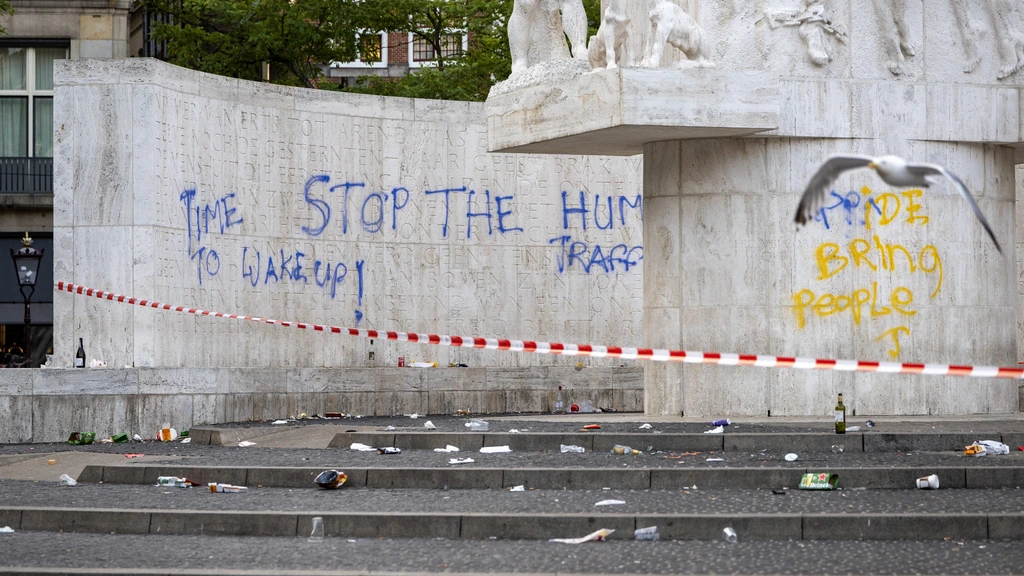
One of two individuals apprehended for vandalizing Amsterdam's National Monument on Dam Square will remain in custody, while the other will be released but still considered a suspect, according to police. The monument was defaced with yellow and blue graffiti, including text and a skull, around 5:15 AM. Authorities arrested a 27-year-old man from Hoofddorp at the scene. Subsequently, a 39-year-old man from Poland was apprehended for writing on the monument's rear with lipstick. The identity of the suspect who will remain detained has not been disclosed. The monument has since been cleaned, with the graffiti removed. Amsterdam Mayor Halsema expressed her dismay on Instagram, calling the act "terrible" and commending the police for the swift arrests. This incident follows previous acts of vandalism; the monument was also defaced on Remembrance Day this year with the word 'genocide' sprayed on it, and a similar incident occurred last year. In that instance, the perpetrator, a 25-year-old man, received no sentence but was ordered to pay for the damages.
This event highlights recurring challenges in preserving public monuments, which serve as potent symbols of national memory and identity. The repeated vandalism suggests underlying societal tensions or protest motivations that are not being adequately addressed through existing public discourse or policy. While law enforcement's swift apprehension of suspects is commendable, the long-term solution likely involves understanding the root causes of such acts and fostering greater civic engagement and respect for shared heritage. The varying legal responses to past incidents, from no penalty to financial restitution, indicate an evolving judicial approach to vandalism of significant cultural sites. Future strategies might consider enhanced security measures alongside community dialogue initiatives to mitigate such occurrences and reinforce the symbolic value of these monuments.
AI-generated to prompt reflection — not editorial opinion, not advice, not a statement of fact. How this works.