Suspect in Deadly Attack on Pregnant Woman and Child Killed in Police Confrontation
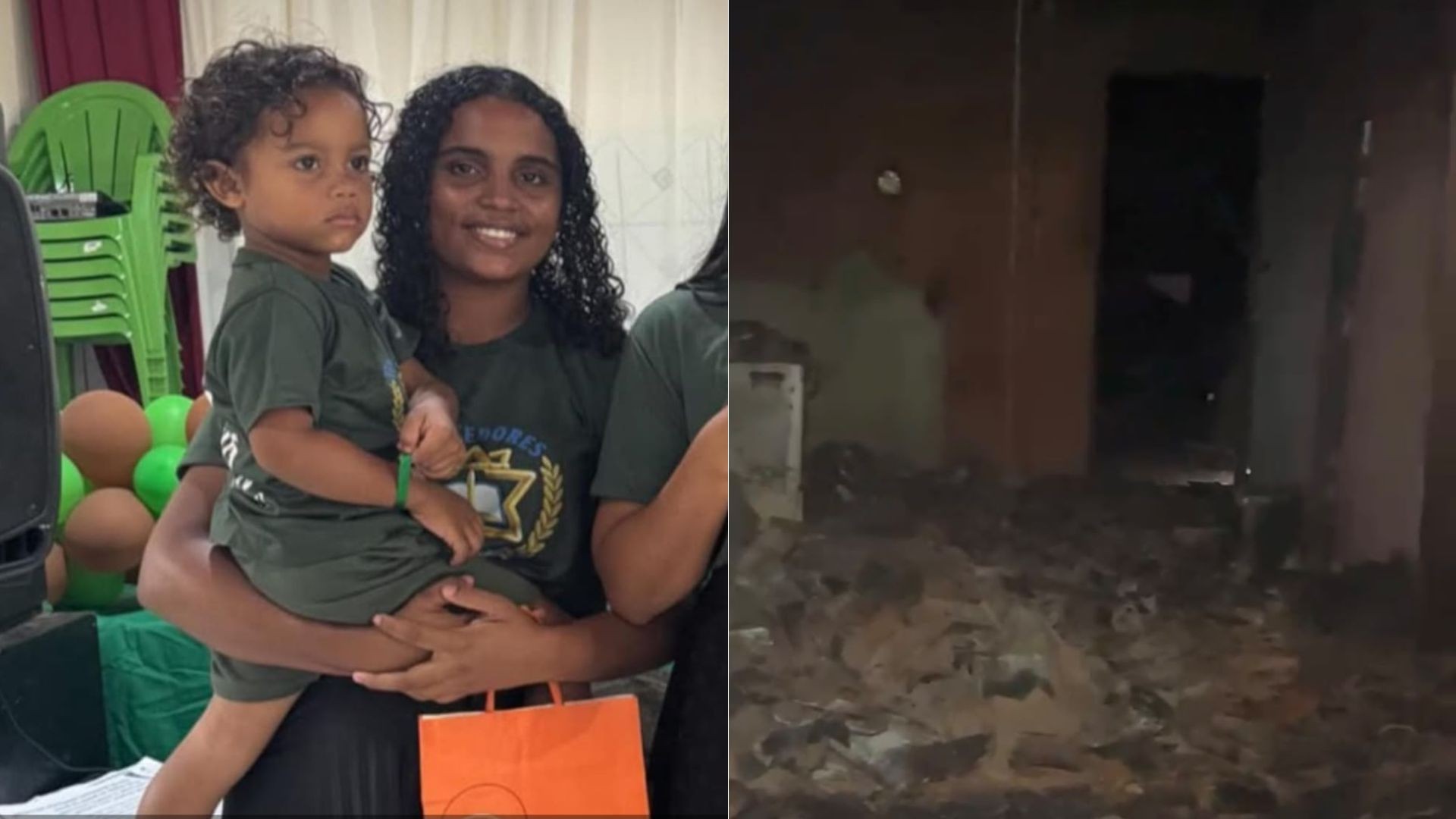
A man identified as Joelson Braga Araújo, a suspect in the attack that killed a pregnant woman and her 4-year-old son, died in a confrontation with police in São João Batista, Maranhão. The State Secretariat of Public Security of Maranhão confirmed the incident on Sunday, May 12th. According to the secretariat, Araújo was wearing an electronic monitoring ankle bracelet, though the reason for this judicial order and the specific circumstances of the confrontation were not disclosed. The victims, Samira Costa Correia, who was three months pregnant, and her son Yan Kaleb Costa Santos, were found burned inside their home on Friday, May 10th. Police reported that armed individuals invaded the residence, fired multiple shots, and set the house ablaze. Witnesses indicated that approximately 15 men may have participated in the attack, and around 100 shell casings from various calibers were recovered at the scene. Forensic examinations are underway to determine if the victims died from gunshot wounds or the fire. A task force, established on Saturday, May 11th, is actively investigating the crime and the activities of criminal groups in the region, involving multiple police units and intelligence sectors. Authorities have identified other suspects and are continuing their search, particularly in the rural areas of São João Batista and surrounding municipalities. The investigation is exploring various motives, with a primary hypothesis suggesting a dispute between criminal factions. Information gathered indicates a possible connection between a person close to the victims and a criminal group, potentially involving betrayal or switching allegiances, though these theories remain unconfirmed. Josef Abreu Santos, Samira's partner and Yan's father, who was reportedly seen at the house shortly before the attack and is also being sought by police, has not yet been located.
This incident highlights the complex challenges faced by law enforcement in regions grappling with organized crime and inter-factional violence. The rapid escalation from an attack on civilians to the death of a suspect in police custody underscores the volatile nature of these investigations. The presence of an electronic monitoring device on the deceased suspect raises questions about the effectiveness of current surveillance measures and the judicial processes that allowed him to be present at the scene of such a violent crime. The investigation's focus on mapping criminal factions suggests a systemic approach to addressing the root causes of violence, rather than solely pursuing individual perpetrators. Future efforts may benefit from examining the interplay between judicial oversight, correctional monitoring, and the broader socio-economic factors that contribute to gang recruitment and activity in the Baixada Maranhense region.
AI-generated to prompt reflection — not editorial opinion, not advice, not a statement of fact. How this works.