Suspect in Eloá Brother's Attack Killed by Elite Police Unit in Brazil
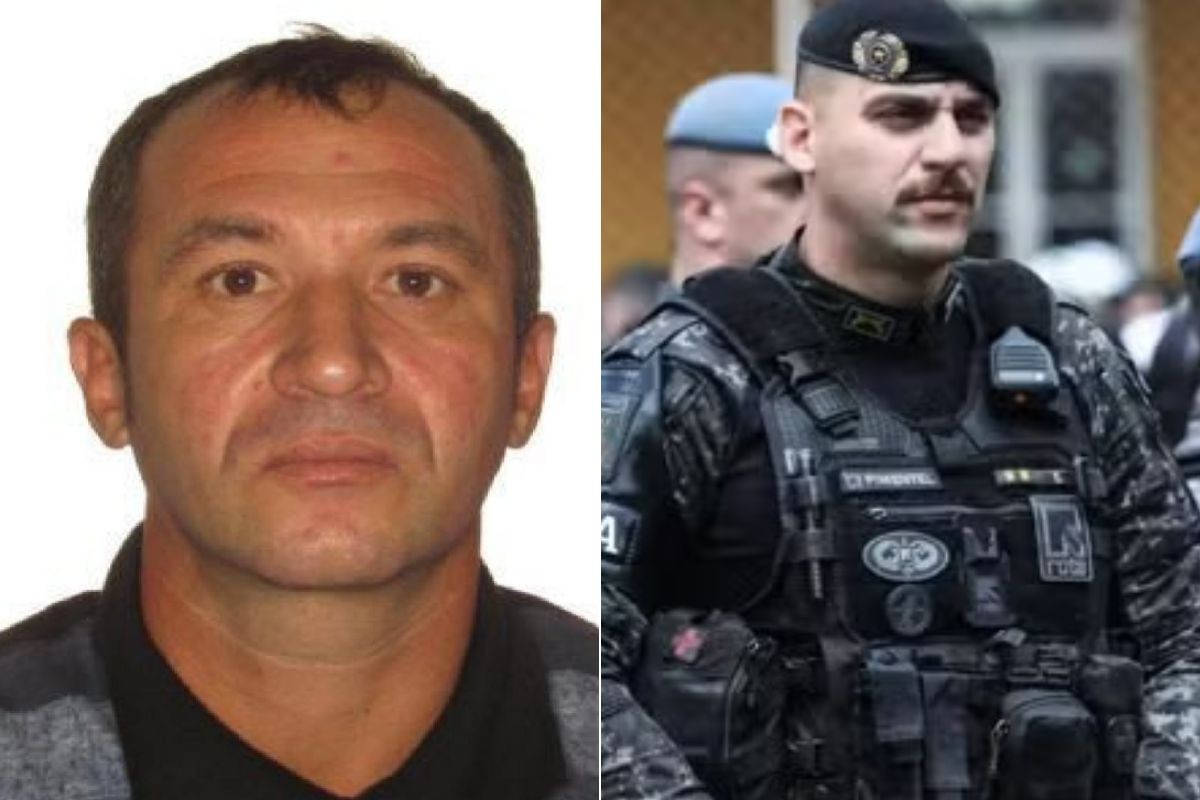
Elenilson Misael da Silva, known as ‘Galego’, 47, was killed by five shots from a rifle and pistol fired by the Rota, an elite police unit, on Thursday, June 2nd, in Peruíbe, on the São Paulo coast. Police claim Silva, allegedly a member of the PCC criminal organization, was involved in an attack on Lieutenant Ronickson Pimentel dos Santos, the brother of Eloá Pimentel. Silva is the third suspect in this attack to be killed by police. Authorities located Silva's vehicle after receiving a tip, and a pursuit ensued when he attempted to flee. During a confrontation on Rua Cuiabá, police stated Silva posed a threat while armed, prompting them to fire. After Silva dropped his .380 caliber pistol, police approached and transported him to a local clinic, where he was pronounced dead. Police justified their actions as self-defense and fulfillment of duty, citing Silva's alleged involvement in the attack and his possession of a firearm. While initial reports and police accounts linked Silva to the attack, the São Paulo Secretariat of Public Security (SSP-SP) later stated there was no concrete evidence of his involvement. The investigation into the attack on Lieutenant Pimentel, who was shot in the head on June 27th in São Caetano do Sul, is ongoing. This incident marks the third death linked to the investigation between June 29th and July 2nd, with two other men also killed in separate Rota operations under similar circumstances, though the SSP later clarified no direct link to the assassination attempt was found for those individuals either.
This series of events highlights the complex interplay between law enforcement operations, ongoing criminal investigations, and public scrutiny, particularly given the high-profile nature of the Pimentel family's past. The Rota's swift actions, resulting in the deaths of three individuals allegedly connected to the attack on Lieutenant Pimentel, raise questions about procedural adherence and the potential for escalating violence in investigations. While police maintain their actions were justified by self-defense and duty, the subsequent lack of direct evidence linking the deceased to the primary crime warrants careful review of investigative protocols. The narrative framing of these incidents, emphasizing alleged criminal ties and resistance, could overshadow a need for thorough due process and accountability. Future approaches may benefit from balancing immediate operational responses with robust, transparent investigative methodologies to ensure both public safety and the integrity of the justice system, especially in cases with significant public attention.
AI-generated to prompt reflection — not editorial opinion, not advice, not a statement of fact. How this works.