Suspect in Fatal Attack on Pregnant Woman and Son Dies in Police Confrontation
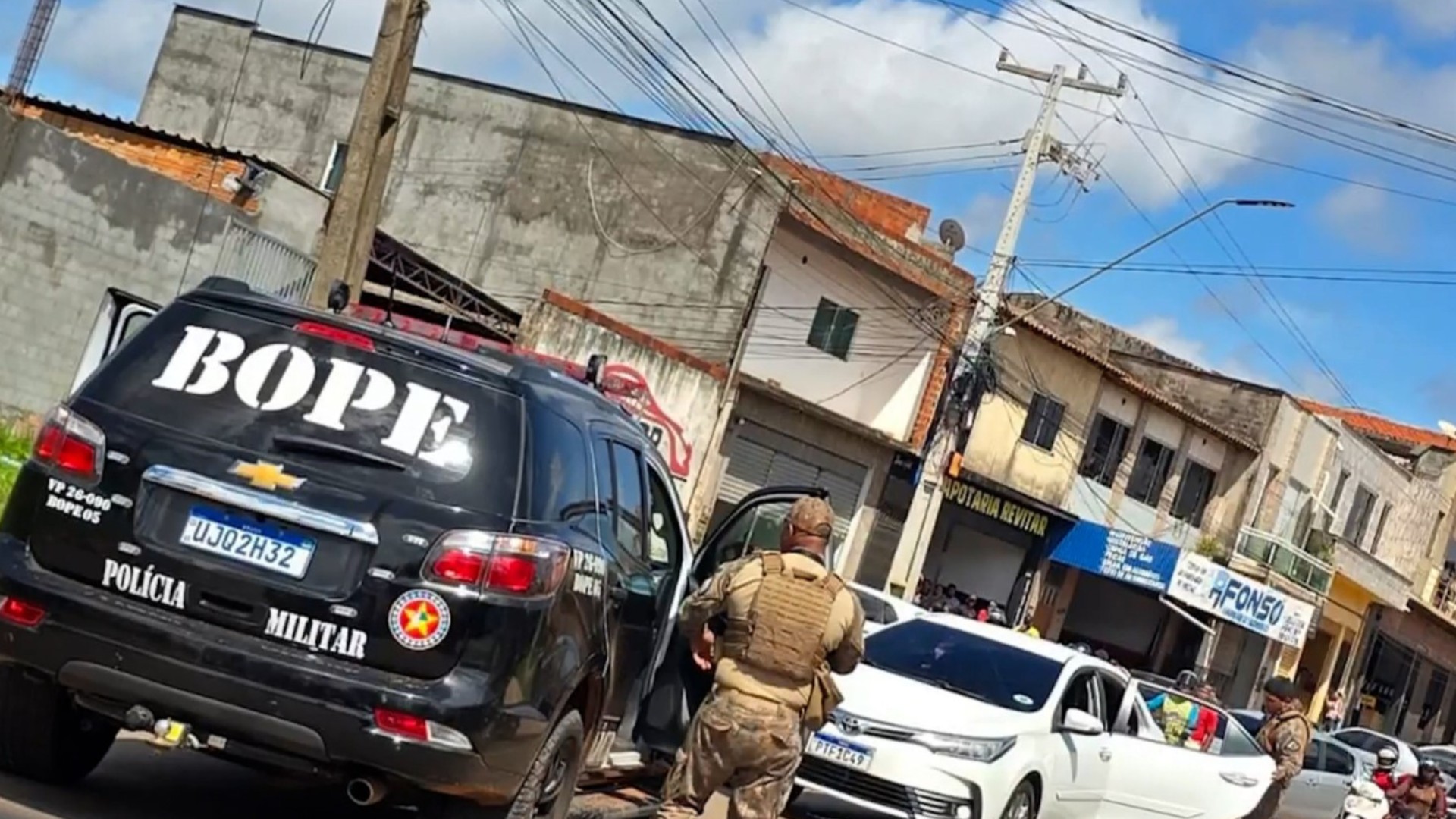
A teenage suspect involved in a brutal attack that killed a pregnant woman and her young son has died during a confrontation with police in São Luís, Maranhão. The incident occurred on Thursday, October 30th, during a police operation in the Vila Palmeira neighborhood. The teenager, who had an open arrest warrant, reportedly resisted the police approach, leading to a shootout. He was wounded and later died despite receiving medical attention. The victims, Samira Costa Correia, who was three months pregnant, and her 4-year-old son, Yan Kaleb Costa Santos, were found carbonized inside their home in São João Batista on July 10, 2026. The attack, which also involved arson, is believed to be a revenge motive stemming from the woman's husband allegedly leaving a criminal faction. The husband, who was not home during the attack, is cooperating with investigators and is being treated as a witness, potentially eligible for state witness protection. To date, 15 individuals have been arrested in connection with the crime, and an additional nine suspects have died in police confrontations during operations related to the case. More than 20 people have been identified as suspects, and investigations are ongoing to apprehend the remaining individuals and clarify each suspect's role.
This event highlights the complex and often violent dynamics associated with organized crime and factional disputes. The state's response, characterized by aggressive operations leading to multiple suspect deaths, reflects a strategy of rapid escalation and incapacitation. While such tactics may yield immediate results in apprehending or neutralizing suspects, they raise critical questions about due process, the potential for collateral damage, and the long-term effectiveness of a purely enforcement-driven approach. The investigation's focus on revenge stemming from alleged factional disputes underscores the cyclical nature of violence in these environments. Moving forward, a comprehensive strategy might consider addressing the underlying socio-economic factors that contribute to recruitment and conflict within these groups, alongside continued law enforcement efforts. The state's role in protecting witnesses and ensuring accountability for all involved parties remains paramount in breaking cycles of violence and fostering community safety.
AI-generated to prompt reflection — not editorial opinion, not advice, not a statement of fact. How this works.