Suspect in Fatal Dutch School Trip Crash Had History of Speeding Violations
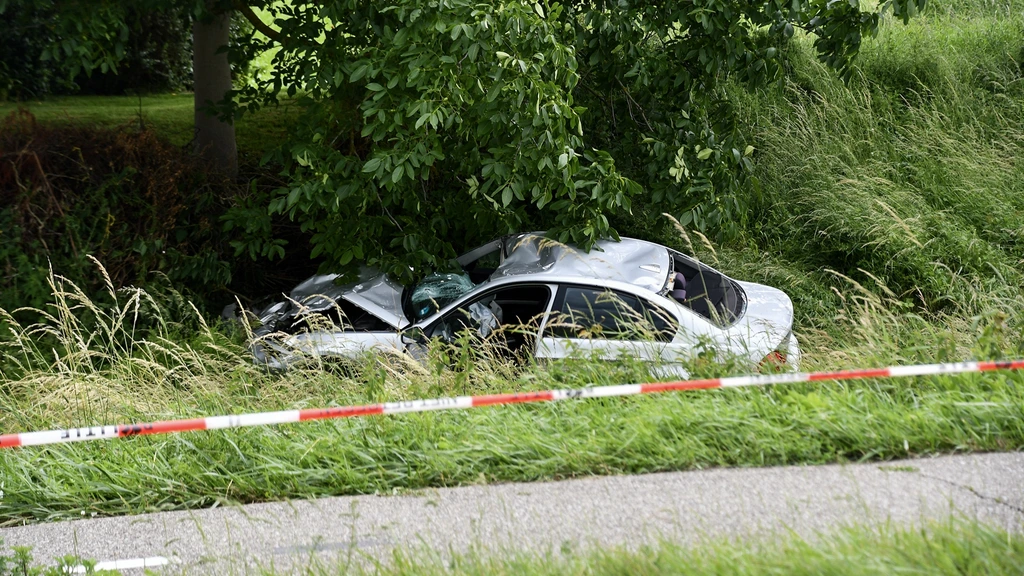
The 20-year-old suspect in a fatal traffic accident in Zeeuws-Vlaanderen, Netherlands, which resulted in four deaths last month, was repeatedly caught speeding in the days leading up to the incident. On the day of the crash, he was recorded driving too fast three times. In the week prior, he exceeded the speed limit at seventeen different locations. This information emerged during a court hearing regarding his pre-trial detention, where it was decided he will remain in custody for at least another 60 days. The suspect also frequently filmed himself driving at excessive speeds, including crossing solid double lines, according to Omroep Zeeland. The accident claimed the lives of three students and their primary school principal, who were on a school trip when they were struck by the suspect's car while on bicycles. The incident caused significant emotional distress in the Zeeuws-Vlaanderen region. The court also noted that the driver, a resident of the Hulst municipality, was aware of a potential mechanical issue with his vehicle, as a warning light for a broken power steering system was illuminated. The judge concluded that the suspect demonstrated a lack of self-awareness and failed to alter his driving behavior despite numerous traffic violations and fines. Given the high probability of re-offending, his detention was extended.
This incident highlights the critical intersection of individual behavior, vehicle maintenance, and public safety. The suspect's documented history of severe traffic violations, including repeated speeding and disregard for road markings, alongside evidence of potential vehicle malfunction and awareness of it, raises questions about accountability and risk assessment. The legal system's decision to extend detention emphasizes the perceived risk of recidivism, driven by a pattern of behavior that suggests a disregard for established safety protocols. Moving forward, the focus should be on robust enforcement mechanisms and educational initiatives that address the underlying factors contributing to such dangerous driving habits, particularly among young drivers. The long-term implications involve evaluating the effectiveness of current penalties and the necessity of proactive interventions to prevent future tragedies on public roadways.
AI-generated to prompt reflection — not editorial opinion, not advice, not a statement of fact. How this works.