Suspect in German Mass Shooting Found Dead in Prison Cell
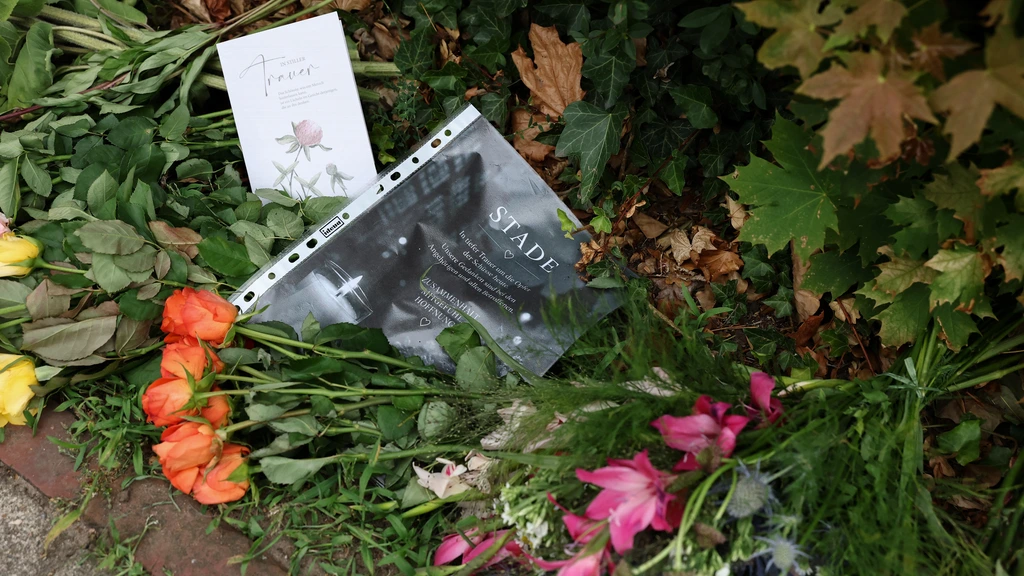
The man suspected of a mass shooting that killed six people in northern Germany last month has been found dead in his prison cell. Officials in the German state of Lower Saxony believe the 45-year-old suspect took his own life. He was discovered deceased this morning in a Bremervörde prison, with a doctor confirming death by strangulation. Authorities state there is no indication of third-party involvement in his death. The shooting occurred on June 29 in Stade, west of Hamburg, at a facility for pregnant women and young mothers with children. Six employees of the care facility and regional youth services were killed. German authorities linked the shooting to a custody dispute over the suspect's three-month-old daughter. The suspect, a German-born man of Turkish nationality, was accused of murder. His name has not been released by officials. German media reported that the suspect had acquired the firearm a week prior to the incident, which may have been preceded by his daughter's removal from his care. A physician had suspected the baby suffered from shaken baby syndrome, and the suspect reportedly resisted medical intervention. The mother and infant were present at the facility during the shooting but were unharmed. The suspect was apprehended shortly after the incident following a pursuit.
The discovery of the suspect's death in custody shifts the focus from judicial proceedings to the circumstances surrounding his demise. This event raises questions about the efficacy of custodial care and suicide prevention protocols within correctional facilities, particularly for individuals facing severe charges. The narrative of a custody dispute escalating to such violence underscores broader societal challenges in child welfare and family conflict resolution. In the context of increasing societal pressures and the potential for radicalization or extreme emotional responses, understanding the systemic factors that contribute to such tragedies is crucial for developing more robust support mechanisms and preventing future incidents. The incident serves as a stark reminder of the complex interplay between individual psychology, familial disputes, and the potential for devastating outcomes when support systems are perceived as inadequate.
AI-generated to prompt reflection — not editorial opinion, not advice, not a statement of fact. How this works.