Suspect in João Pessoa Hotel Murder Claims Fear of Exposure Drove Him
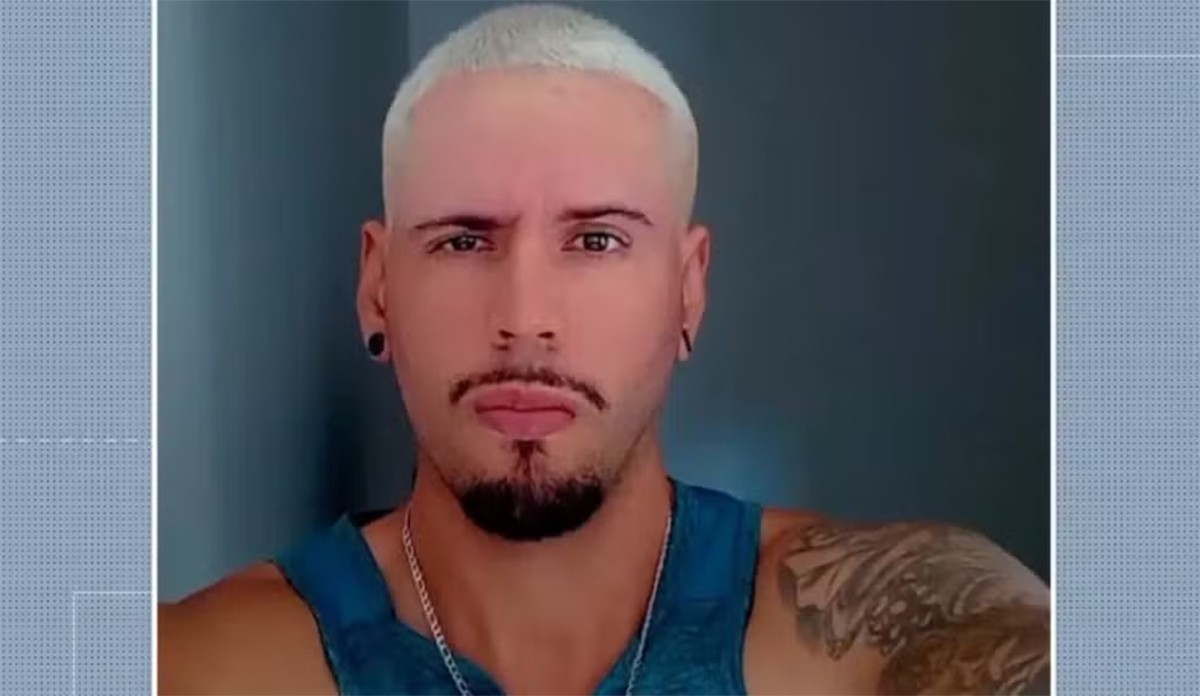
Police in João Pessoa, Paraíba, are investigating the murder of 33-year-old Washington Rodrigo, found deceased in a hotel room. The primary suspect, a teenager, was apprehended in Caicó, Rio Grande do Norte, and has confessed to the crime. According to the Civil Police, the suspect claims he acted out of fear that his relationship with Rodrigo would be exposed. The suspect stated that their encounter originated from a dating website. He alleges that after the intimate encounter, Rodrigo intimidated him and used a replica firearm to force him to hand over his phone's password. The suspect claimed he felt threatened and that Rodrigo had allegedly photographed part of their intimate moment. The suspect then reportedly used an airsoft gun to coerce Rodrigo into giving up his phone, so he could check for compromising messages or photos, citing his self-proclaimed identity as a theologian who could not have his image tarnished. The suspect further stated that he then used a hairdryer's cord to strangle Rodrigo, intending only to incapacitate him to facilitate his escape from the hotel room. After the incident, the suspect attempted to flee the hotel using Rodrigo's car but was unsuccessful and left on foot, reportedly making social media posts as if nothing had happened. Investigators found no narcotics in the room but did discover a surgical glove. An airsoft pistol and handcuffs were recovered as key evidence. The suspect's defense corroborated the fear of exposure motive, stating the teenager feared his homosexual relationship would be revealed, potentially damaging his heterosexual public image. The defense also mentioned the suspect used a false document to check into the hotel and that Rodrigo's body was discovered by a hotel employee. The suspect reportedly earned income through speaking engagements and received financial support from family.
This case highlights the complex interplay of personal identity, fear of social stigma, and the potential for tragic escalation in encounters facilitated by online platforms. The suspect's alleged motive, rooted in a desire to protect a public persona against perceived threats of exposure, underscores the societal pressures that can influence individual actions. The use of a replica firearm and a hairdryer cord as instruments in the crime points to a potentially impulsive act, rather than a premeditated murder, though the attempted escape with the victim's vehicle suggests some level of forethought. The investigation's focus on the suspect's prior infractions in Rio Grande do Norte, including charges analogous to theft, extortion, and stalking, indicates a pattern of behavior that warrants further systemic analysis regarding adolescent risk factors and interventions. Moving forward, understanding the psychological and social dynamics that lead individuals to such extreme actions, particularly within the context of evolving digital relationships and societal attitudes towards sexuality, will be crucial for developing preventative strategies.
AI-generated to prompt reflection — not editorial opinion, not advice, not a statement of fact. How this works.