Suspect in Vaquejada Champion's Murder Sues Police for Releasing His Photo
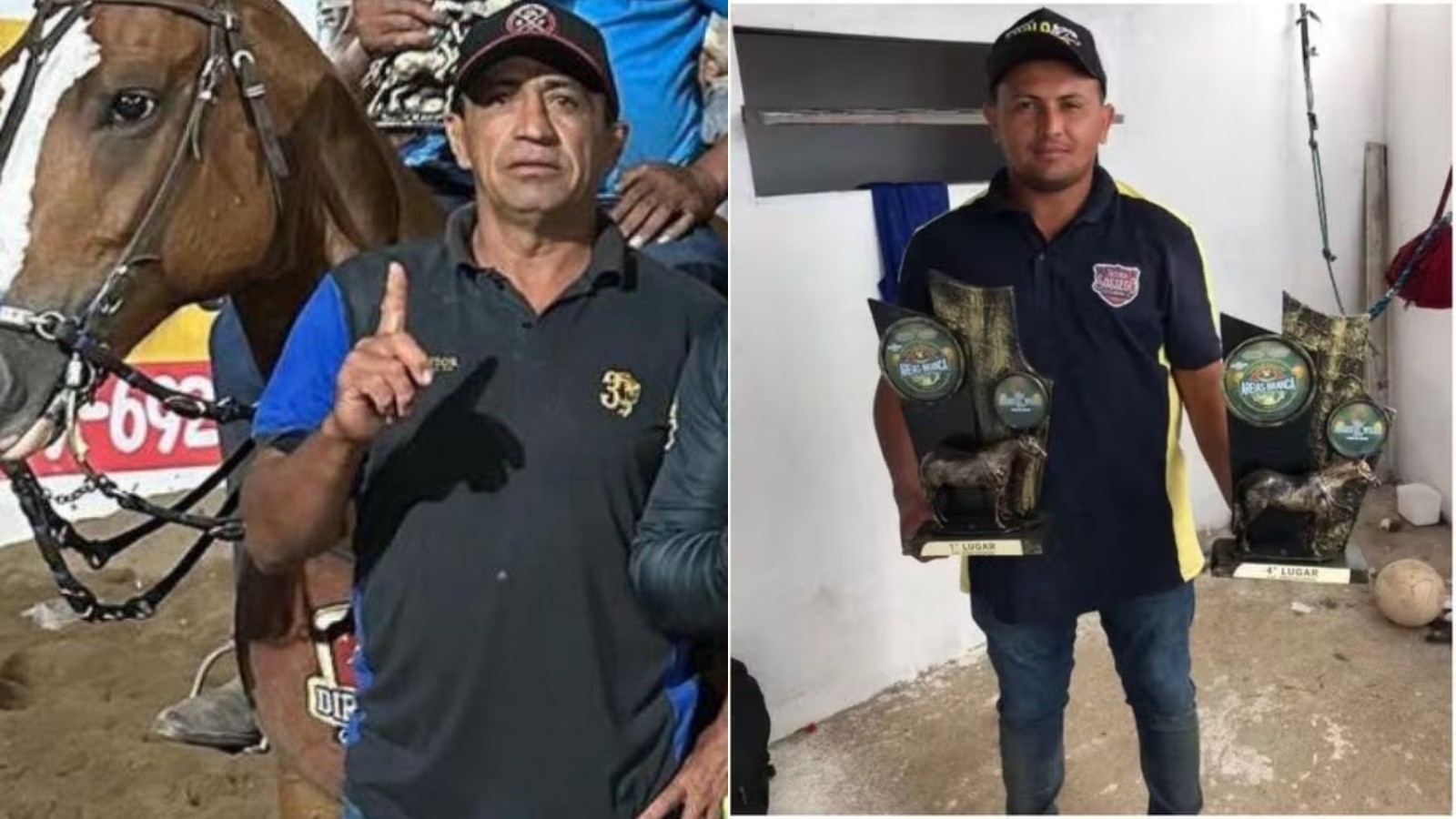
Darlei Teixeira Vitor, 55, known as Sasom Boiadeiro, has been arrested in Quixadá, Ceará, Brazil, in connection with the murder of vaquejada champion Francisco Eudázio Lira Soares, also known as Dadá Guedes. The crime occurred on June 7th in Quixeramobim, where Soares was fatally stabbed shortly after winning a competition. Vitor, who had been a fugitive for a month, surrendered to authorities and is now facing charges of qualified homicide.
Prior to his surrender, Vitor's defense filed a lawsuit against the Quixeramobim delegate, William Lopes, and the state of Ceará. They alleged that Lopes abused his authority by publishing Vitor's image on social media, linking him to the murder before any conviction, thereby violating his right to presumption of innocence. However, a judge denied the urgent request to remove the images, citing that Vitor was a fugitive and that the delegate was acting within his legal duty to aid in apprehension. The court maintained the state of Ceará as the sole defendant in the action against the delegate's conduct.
Witnesses initially suggested the motive was a dispute over prize money, with Soares allegedly refusing to share his R$2,000 winnings. However, the victim's family disputes this, asserting that Vitor acted out of pure cruelty and had no connection to the prize money. Vitor's daughter claims her father acted in self-defense after being attacked and suffering a broken clavicle, which delayed his surrender. She also stated her father is a 56-year-old cattle rancher and truck driver, not involved in vaquejada financially, and was provoked before the incident.
This case highlights the tension between law enforcement's need to apprehend suspects and an individual's right to presumption of innocence. While the court ruled in favor of the police's actions in publicizing a fugitive's image to facilitate arrest, it underscores the critical importance of judicial oversight in such matters. The legal framework must balance public safety and investigative necessity with fundamental rights, particularly in the digital age where information spreads instantaneously. Future considerations should explore clearer guidelines for police communication regarding ongoing investigations to prevent potential reputational damage and ensure fair trial rights, while still enabling effective crime resolution. The differing accounts of the motive also point to the challenges in establishing facts amidst emotional circumstances and the need for thorough, unbiased investigation.
AI-generated to prompt reflection — not editorial opinion, not advice, not a statement of fact. How this works.