Suspect killed by police used fake IDs to hide criminal past
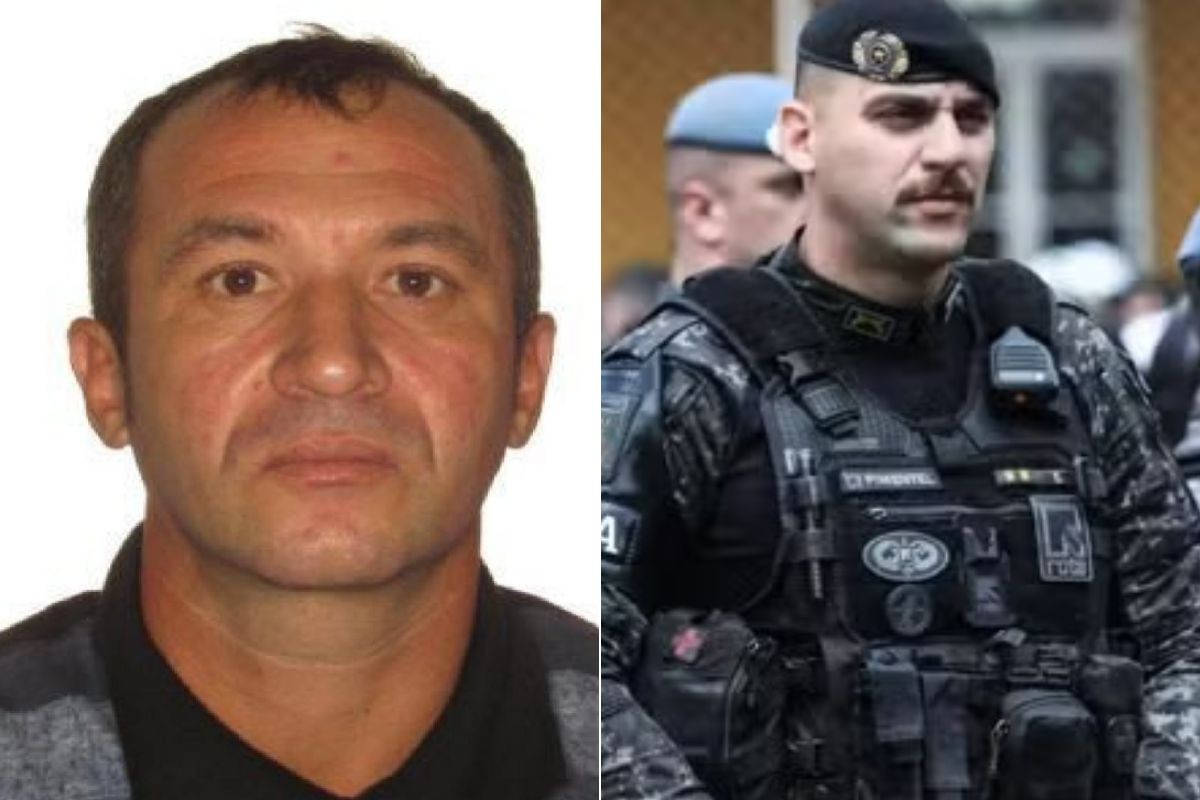
A suspect identified as "Galego," who was killed in a confrontation with the Rota police in Peruíbe, São Paulo, had allegedly used forged documents to conceal his criminal record. He was under investigation for ties to Hércules Siqueira, who is wanted for shooting Rota Lieutenant Ronickson Pimentel, the brother of Eloá Pimentel. "Galego" was initially identified as Elenilson Misael da Silva, 47, with no prior criminal records. However, his real name is believed to be Elenilson Francisco da Silva, with criminal history in Pernambuco and São Paulo. The fake document retained his birth date and city but altered his parentage and identification numbers. Under the alias Elenilson Misael, he was listed without an occupation, while as Elenilson Francisco, he was registered as a laborer residing in Peruíbe. These alterations effectively masked his criminal past from official searches. In São Paulo, Elenilson Francisco was accused alongside Hércules and seven others in an attempted bank robbery in São Caetano do Sul, facing charges of receiving stolen property due to possession of a ballistic vest. However, insufficient evidence led to their acquittal after the investigation phase. "Galego" is the third suspect in the case to be killed by police. The investigation confirmed his direct link to Hércules da Costa Siqueira, also known as Golias, Chavinho, and Peruca, who is on Interpol's red notice list. The São Paulo Public Security Secretariat is offering a R$50,000 reward for information leading to Siqueira's capture. The police confirmed "Galego's" involvement after initially stating there were no indications he participated in the attack on Lieutenant Pimentel.
This case highlights the challenges law enforcement faces when individuals actively obscure their identities to evade justice. The suspect's alleged use of falsified documents underscores the importance of robust identity verification systems and cross-jurisdictional data sharing. The investigation's progression, moving from initial uncertainty to confirming direct links to a high-profile fugitive, demonstrates the dynamic nature of criminal investigations. It also raises questions about the effectiveness of prior judicial processes that did not result in convictions, despite alleged involvement in serious crimes. The significant reward offered for Siqueira's apprehension indicates the perceived threat he poses, suggesting a broader network or ongoing criminal activity that warrants substantial resources for resolution. Future efforts may focus on enhancing intelligence gathering and inter-agency cooperation to prevent individuals with extensive criminal histories from operating undetected.
AI-generated to prompt reflection — not editorial opinion, not advice, not a statement of fact. How this works.