Suspect sought in ambush killing of inmate during police transfer in Corumbá, Brazil
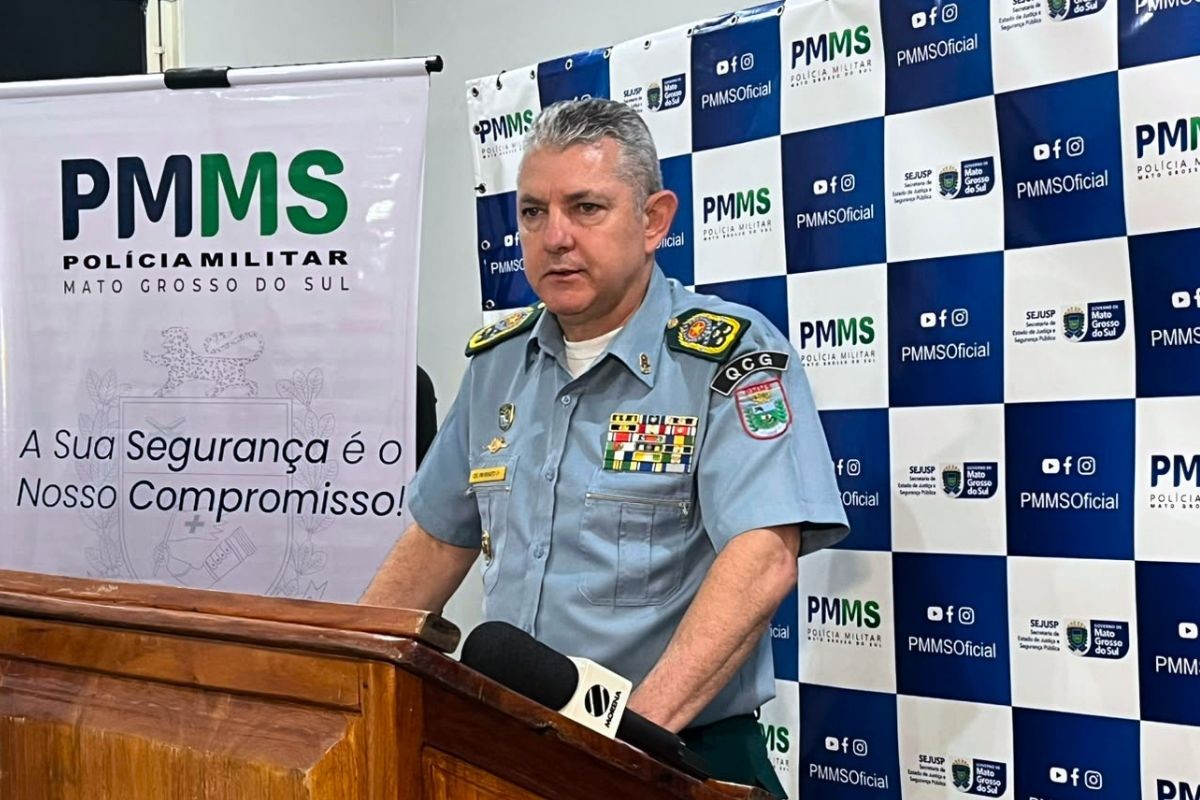
Authorities are actively searching for a suspect involved in an ambush that resulted in the death of an inmate during a police transfer in Corumbá, Mato Grosso do Sul (MS), Brazil. The attack occurred on Saturday, November 4th, when a police convoy was transporting a prisoner from Corumbá to Campo Grande. During a planned stop to address a vehicle issue, criminals concealed in a vegetated area opened fire on the police teams. Officers returned fire and pursued the attackers into the vegetation. Tragically, the inmate being transported was struck by gunfire and died at the scene before receiving medical attention. No police officers were injured during the exchange. The Commander-General of the Military Police, Colonel Renato dos Anjos Garnes, stated in a press conference that the primary investigation suggests the ambush was orchestrated by members of criminal factions vying for control of drug trafficking along the Brazil-Bolivia border. He indicated that the fugitive suspect may be responsible for shooting the inmate. The investigation is a collaborative effort involving the military judiciary, civil police, and the military police's intelligence service. Police had prior intelligence regarding a potential attack during the transfer, prompting the deployment of specialized Bope units. However, the ambush was meticulously planned, with perpetrators monitoring police movements. Searches for the suspect are ongoing with support from the Civil Police.
This incident highlights the persistent challenge of organized crime intersecting with state security operations, particularly in border regions with significant drug trafficking activity. The ambush suggests a sophisticated level of intelligence gathering and operational planning by criminal factions, leveraging a temporary vulnerability in police procedure. The investigation's focus on inter-factional disputes over drug routes points to the underlying economic drivers of such violence. Moving forward, enhancing real-time threat assessment and developing more resilient convoy protocols, even during unforeseen vehicle issues, will be critical for law enforcement. Furthermore, addressing the root causes of factional power struggles through coordinated inter-agency and international efforts may offer a more sustainable long-term solution to prevent future escalations.
AI-generated to prompt reflection — not editorial opinion, not advice, not a statement of fact. How this works.