Suspect Testifies in Belo Horizonte Woman's Murder Case
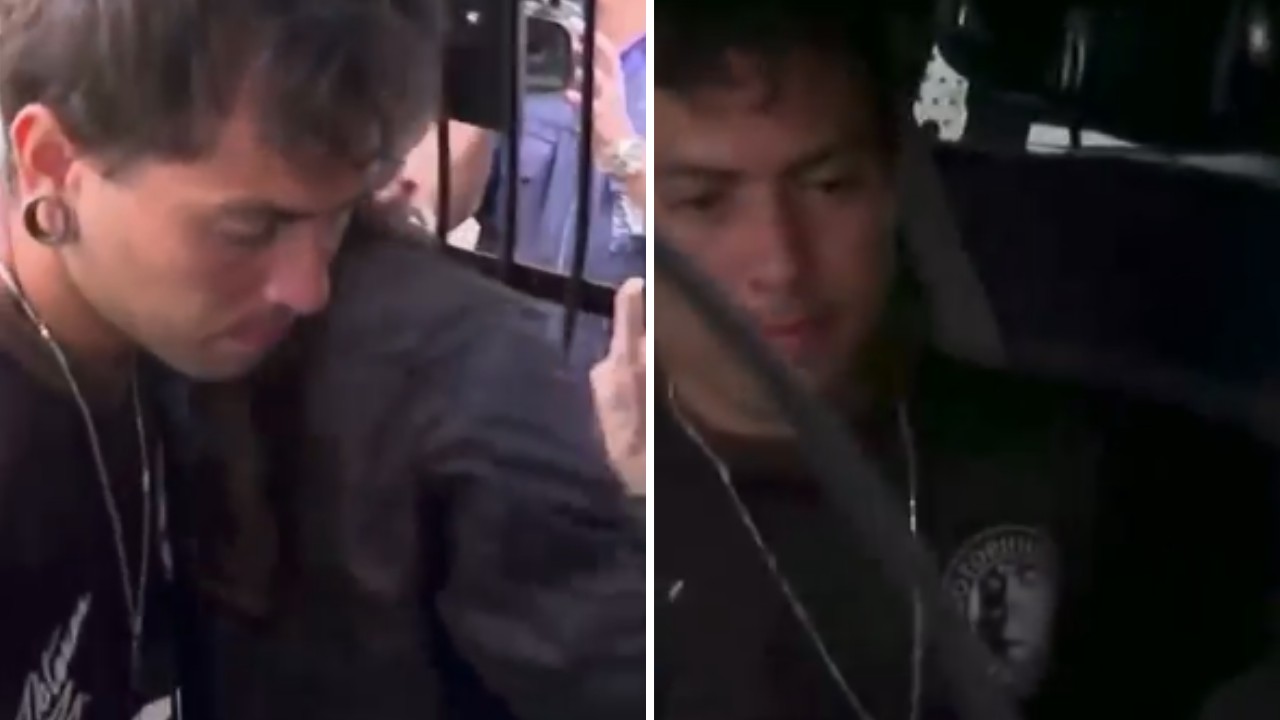
André Junior Silva de Carvalho, 24, is suspected of murdering his girlfriend, Stifani Ribeiro Silva, 36, in the Camargos neighborhood of Belo Horizonte. He provided a statement on Tuesday afternoon, May 21st, at the Department of Homicide and Personal Protection (DHPP). Sources close to the investigation indicate that he confessed to the crime. Following his testimony, Carvalho was seen leaving the DHPP in handcuffs and was transported in a police vehicle. Investigators are reportedly accompanying him to locations where he allegedly sold items belonging to the victim. Silva's body was discovered by police on Monday, May 20th. Neighbors had reported her missing since Wednesday, May 15th. Reports suggest she had brought Carvalho to her apartment a few days prior, and he was observed leaving with two suitcases. The couple had been living together for less than a month, having met through a dating app. Neighbors described the couple's behavior as unusual and mentioned witnessing an argument between them. One neighbor also revealed that Silva had spoken about Carvalho's involvement with drugs, expressing concern for her safety. The victim reportedly stopped responding to messages around Thursday, May 16th. The police report indicates the apartment was ransacked, and Silva's body was found wrapped in blankets in an advanced state of decomposition. Forensic analysis suggests her death occurred approximately four days before the body was found.
This case highlights the critical need for robust domestic violence intervention and support systems. The reported circumstances, including a recent relationship, alleged drug involvement, and signs of conflict, underscore the complex dynamics that can precede such tragedies. Law enforcement's role in gathering evidence and securing confessions is crucial for accountability. Moving forward, focusing on preventative measures, such as accessible mental health resources and relationship counseling, alongside improved community awareness programs, could offer pathways to mitigate similar future events. Understanding the interplay of personal relationships, potential substance abuse, and societal safety nets is vital for developing more effective public health strategies.
AI-generated to prompt reflection — not editorial opinion, not advice, not a statement of fact. How this works.