Suspected Haff Disease Case Reported in Santarém After Two Years
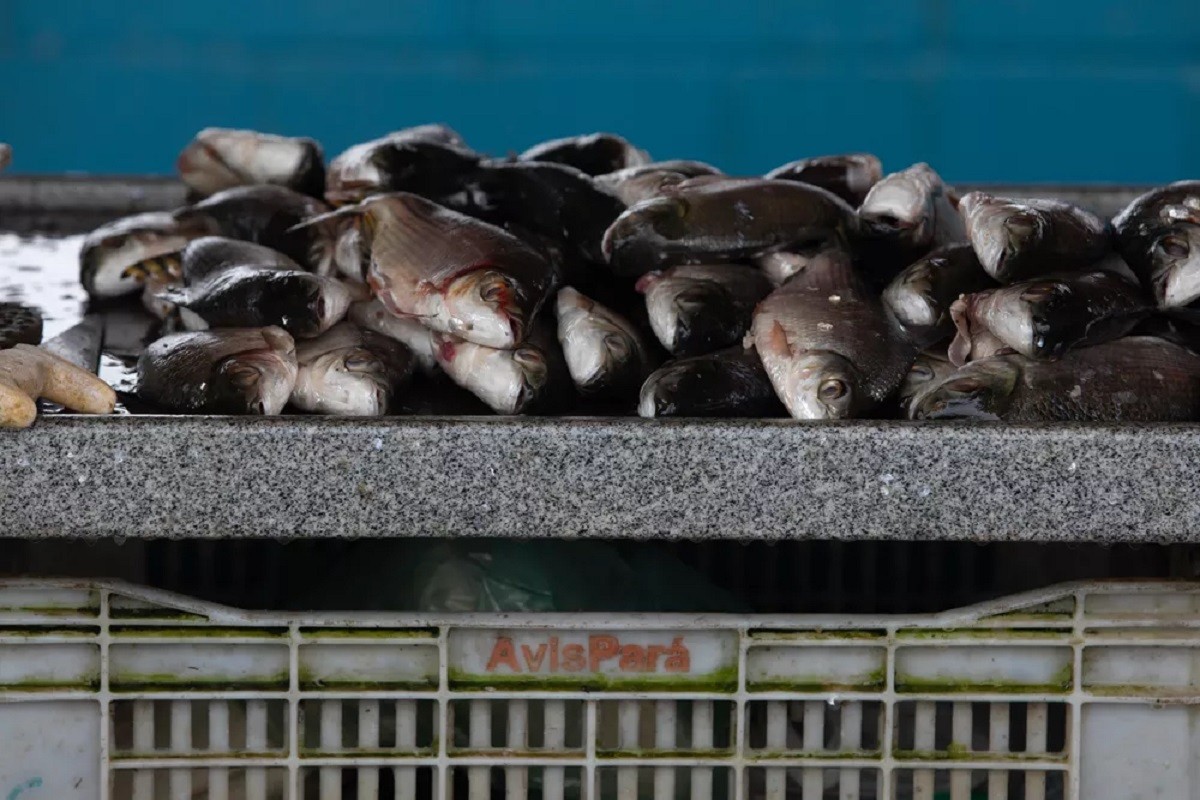
Santarém, located in western Pará, has reported a suspected case of Haff disease in 2026, marking the first such instance in three years. The patient is a 46-year-old male resident of the Bela Vista neighborhood who developed symptoms consistent with the illness after consuming fish. Health authorities are currently investigating the case, which involves epidemiological and laboratory analysis for confirmation.
Previously, Santarém recorded Haff disease cases between 2021 and 2023. In 2021, 16 compatible cases were reported, with 10 originating from Santarém and six from surrounding municipalities; pacu was the most frequently consumed fish. The year 2022 saw a significant increase with 85 notifications, 67 from Santarém residents, where 54 were deemed compatible with the disease, again with pacu being the primary fish implicated. In 2023, 25 cases were notified, 18 from Santarém residents, all considered compatible.
Haff disease is a rare syndrome causing acute rhabdomyolysis, characterized by rapid muscle fiber destruction, often after consuming certain fish or shellfish. Symptoms include severe muscle pain, weakness, dark urine, and muscle stiffness. The Municipal Health Secretariat (Semsa) advises individuals experiencing symptoms post-fish consumption to seek immediate medical attention at a UPA, the Municipal Hospital, or the nearest health unit. They also recommend preserving leftover food for analysis and purchasing fish only from regulated establishments with known origins and proper storage conditions.
The reappearance of suspected Haff disease in Santarém underscores the critical need for robust public health surveillance and consumer education regarding foodborne illnesses. While the specific trigger for this 2026 case remains under investigation, historical data suggests a recurring association with pacu consumption, highlighting potential environmental or biological factors influencing toxin presence in fish populations. Public health strategies should focus on strengthening supply chain traceability and fostering consumer awareness about safe sourcing and preparation of seafood, particularly in regions where Haff disease has been endemic. Future efforts could explore advanced detection methods for potential toxins in fish and collaborate with local fishing communities to identify and mitigate risks, ensuring food safety without unduly impacting local economies.
AI-generated to prompt reflection — not editorial opinion, not advice, not a statement of fact. How this works.