Suspected Robber Dies After Being Hit by Victim's Car in São Luís
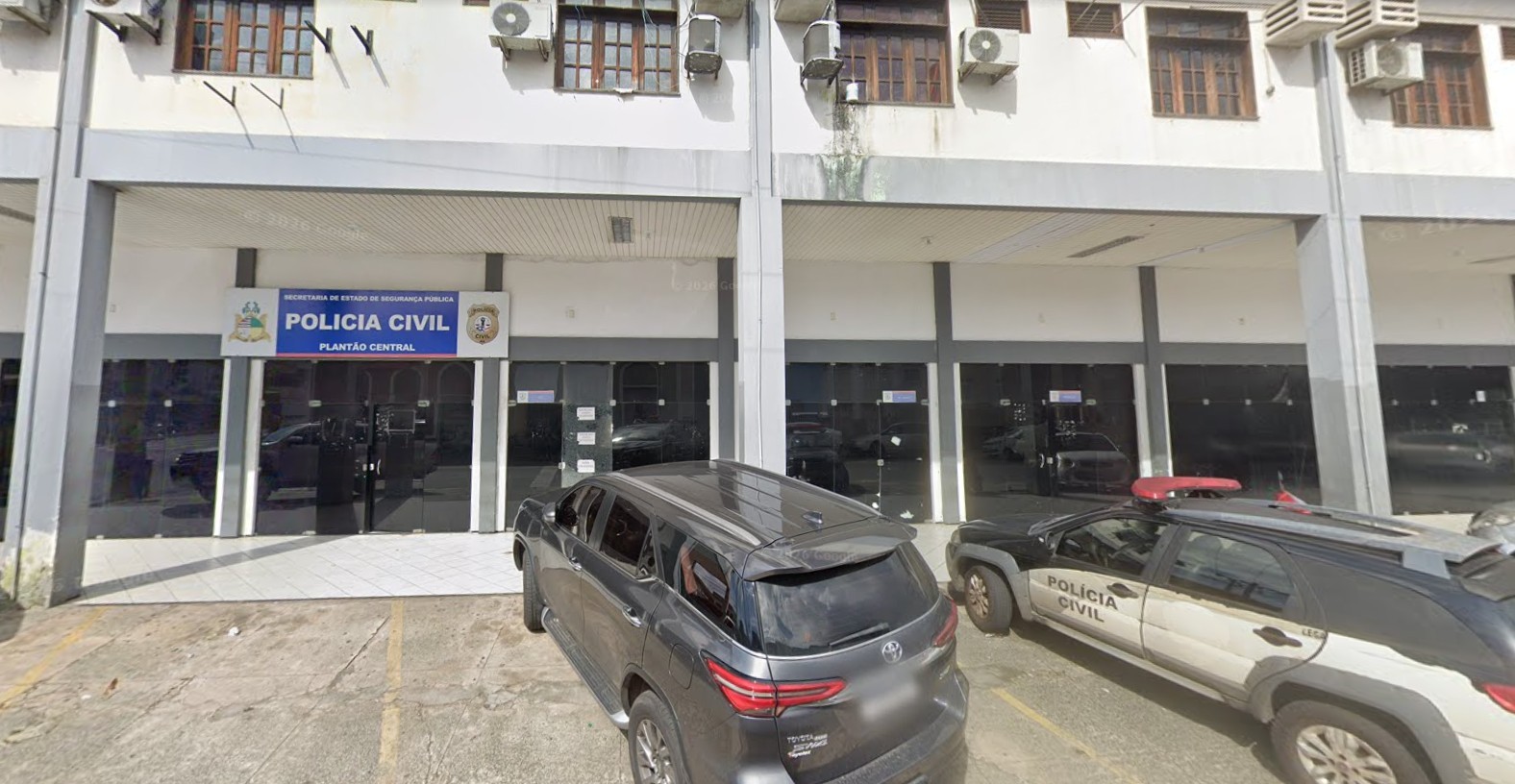
A 28-year-old man, identified as Kayo Henrique Pereira Costa, died early Friday morning, May 3rd, in São Luís, Brazil. He was struck by a victim's car and fell from his motorcycle on Jerônimo de Albuquerque Avenue in the Jardim Renascença neighborhood. The incident occurred near the General Command of the Military Police of Maranhão. Initially, police received a report of a motorcyclist colliding with a sign. However, further information revealed that Costa had allegedly committed a robbery shortly before, near a restaurant, stealing an orange cell phone. According to the victims, after the theft, they were driving to report the crime when Costa, on his motorcycle, began following their car. The victims stated that Costa appeared to reach for a firearm, prompting the driver to accelerate and hit the back of his motorcycle, causing him to fall. The stolen cell phone was recovered at the scene and identified by the victim, who unlocked it to prove ownership. Emergency medical services pronounced Costa dead at the scene. The Institute of Criminalistics conducted an on-site investigation. Costa's motorcycle was impounded by the 8th Military Police Battalion, as its keys were missing. The victims provided statements to the police, and the Civil Police will investigate the case.
This incident highlights the complex interplay between crime, self-defense, and the immediate consequences of illegal actions. The victim's response, while reactive, stemmed from a perceived threat following a robbery. The event underscores the challenges law enforcement faces in preventing street crime and the potential for escalating violence when victims feel directly endangered. Future considerations may involve analyzing the effectiveness of immediate police response times and the psychological impact on victims, as well as the systemic factors contributing to opportunistic crime in urban environments. The rapid escalation from theft to a life-ending confrontation also points to the need for comprehensive strategies addressing both the root causes of crime and the immediate safety of citizens.
AI-generated to prompt reflection — not editorial opinion, not advice, not a statement of fact. How this works.