Suspects Identified in Deadly Attack on Pregnant Woman and Child in Maranhão
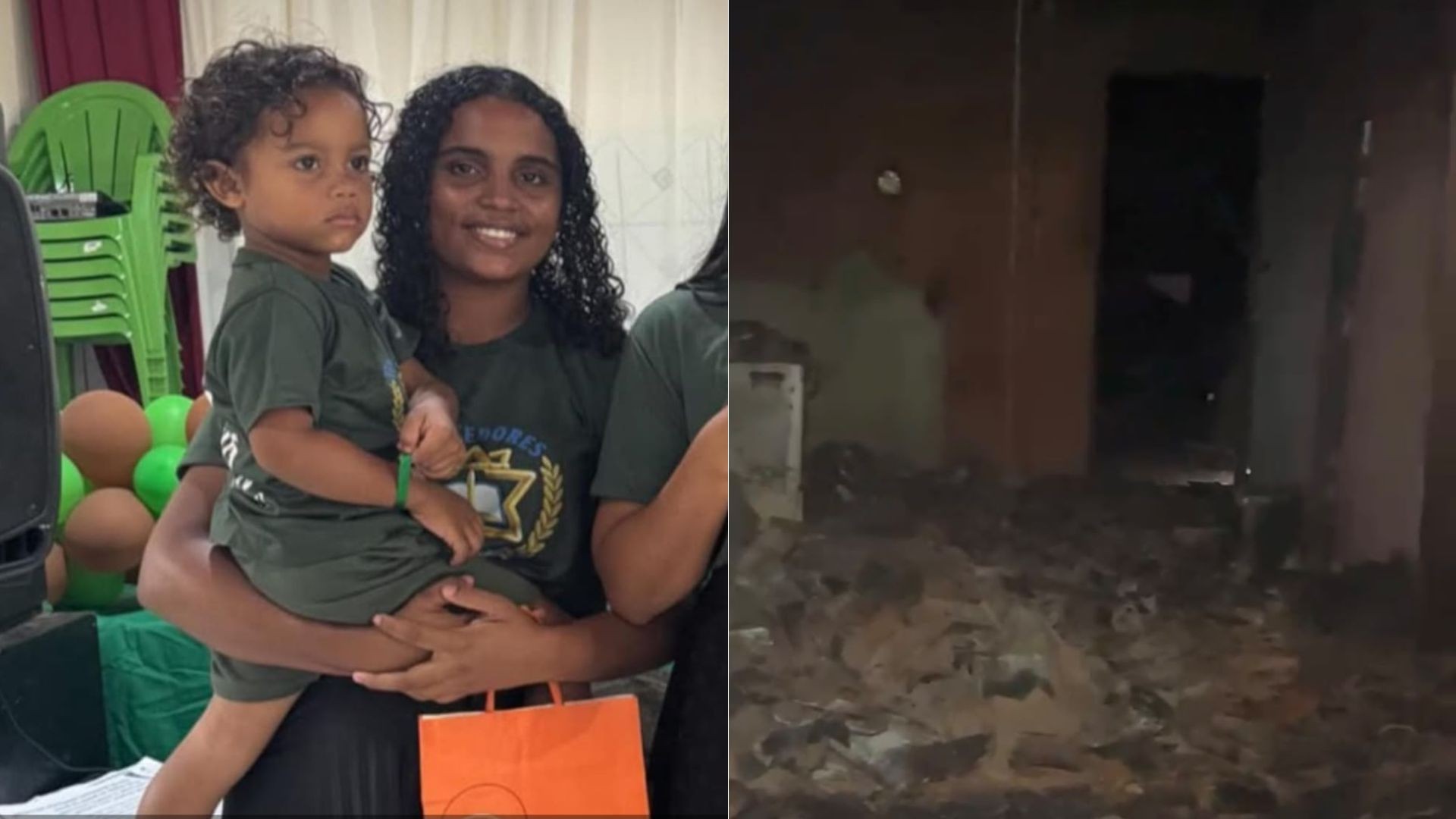
Civil Police in Maranhão, Brazil, have identified suspects in a violent attack that resulted in the deaths of a pregnant woman and her 4-year-old son. The victims, Samira Costa Correia, who was three months pregnant, and Yan Kaleb Costa Santos, were found burned inside a house set ablaze on Friday, October 10th. According to authorities, armed individuals invaded the residence, fired multiple shots, and then set the property on fire. The state's chief of Civil Police, Augusto Barros, confirmed on Sunday, October 12th, that a task force is actively searching for the perpetrators in the rural area of São João Batista. The identities of the suspects have not been released to avoid compromising the investigation. A task force, established on Saturday, October 11th, comprises regional police, military police, intelligence units, and the State Superintendence of Criminal Investigations. Their mission extends beyond apprehending those responsible for the murders to mapping the activities of criminal factions in the Baixada Maranhense region. Investigators are exploring several motives, with a primary hypothesis pointing to a dispute between criminal factions. One theory suggests a connection between one of the victims and an individual who may have switched allegiance between gangs or was accused of betrayal. Family members reported that Samira's partner and Yan's father, Josef Abreu Santos, was seen at the house shortly before the attack and has not yet been located. Witnesses claim Josef has ties to a criminal group, suggesting the crime could be linked to rival faction conflicts. Approximately 15 armed men are reported to have broken into three family properties, but only the house occupied by Samira and Yan was set on fire after the assailants allegedly stole televisions and other items. Police recovered around 100 shell casings from various calibers, and forensic exams will determine if the victims died from gunshot wounds or the fire.
This tragic event highlights the pervasive influence of organized crime and inter-factional violence in certain regions, leading to devastating collateral damage. The investigation's focus on identifying suspects and mapping faction activities suggests a systemic approach to addressing the root causes of such violence, rather than solely focusing on immediate apprehension. The involvement of multiple law enforcement agencies indicates a recognition of the complexity and scale of the problem. Moving forward, sustained efforts will be needed to disrupt criminal networks, address underlying socio-economic factors that may contribute to recruitment, and ensure accountability through robust legal processes. The long-term challenge lies in creating an environment where communities are safe from such brutal acts, requiring a multi-faceted strategy that includes law enforcement, social programs, and community engagement.
AI-generated to prompt reflection — not editorial opinion, not advice, not a statement of fact. How this works.