Sustaining Hubble and Webb Telescopes is Essential for Scientific Advancement
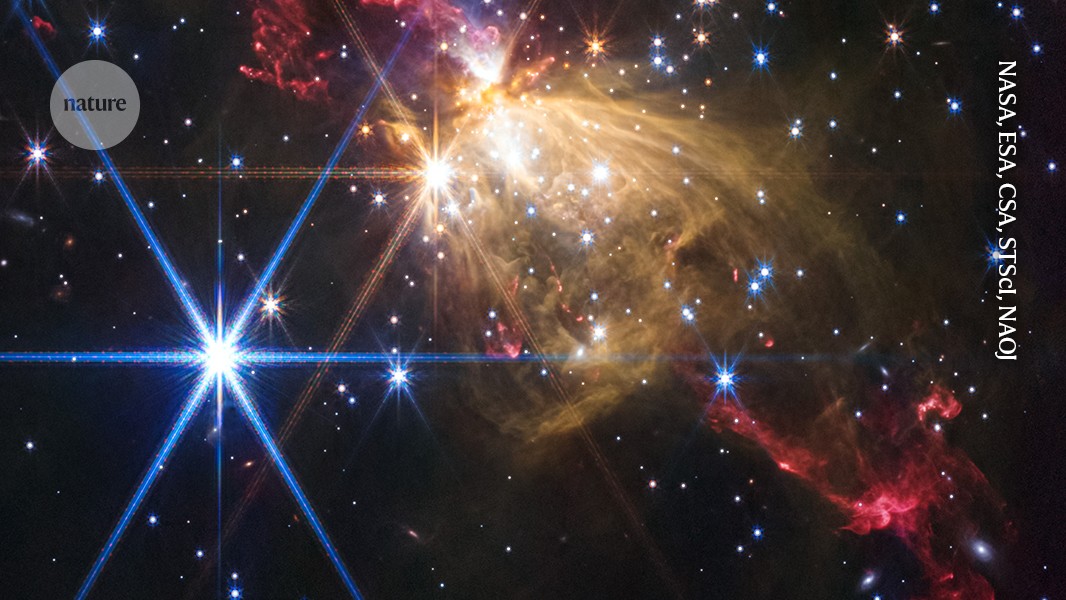
The article argues for the continued funding and operation of both the Hubble and James Webb Space Telescopes, emphasizing that the scientific discoveries they enable justify their substantial costs. It highlights the unique and complementary scientific contributions of each observatory. Hubble, despite its age, continues to provide valuable data and has a legacy of groundbreaking discoveries that have shaped our understanding of the universe. The James Webb Space Telescope, with its advanced capabilities, is pushing the boundaries of astronomical research even further, exploring the early universe, exoplanet atmospheres, and the formation of stars and galaxies. The authors contend that the investment in these sophisticated instruments yields invaluable scientific knowledge, driving innovation and inspiring future generations of scientists. They suggest that the cost, while significant, is a worthwhile price for the profound insights gained into the cosmos. The continued operation of both telescopes ensures a comprehensive approach to astronomical observation, allowing scientists to build upon decades of research and tackle new cosmic mysteries.
The operational longevity of major scientific instruments like the Hubble and James Webb Space Telescopes presents a recurring challenge in balancing immediate budgetary concerns with long-term scientific and societal benefits. While the upfront and ongoing costs are considerable, the unique data generated by these observatories fuels fundamental research, technological innovation, and public engagement with science. From a systems perspective, the decision to maintain or retire such assets involves evaluating not only direct operational expenses but also the opportunity cost of foregoing future discoveries and the potential loss of institutional knowledge and expertise. Considering the accelerating pace of technological advancement and the increasing complexity of scientific inquiry, ensuring continuous access to cutting-edge observational tools is crucial for maintaining a competitive edge in global scientific research and for addressing humanity's most profound questions about our place in the universe.
AI-generated to prompt reflection — not editorial opinion, not advice, not a statement of fact. How this works.