Suzano Allocates 40% of its São Paulo Forest Areas to Native Vegetation Conservation
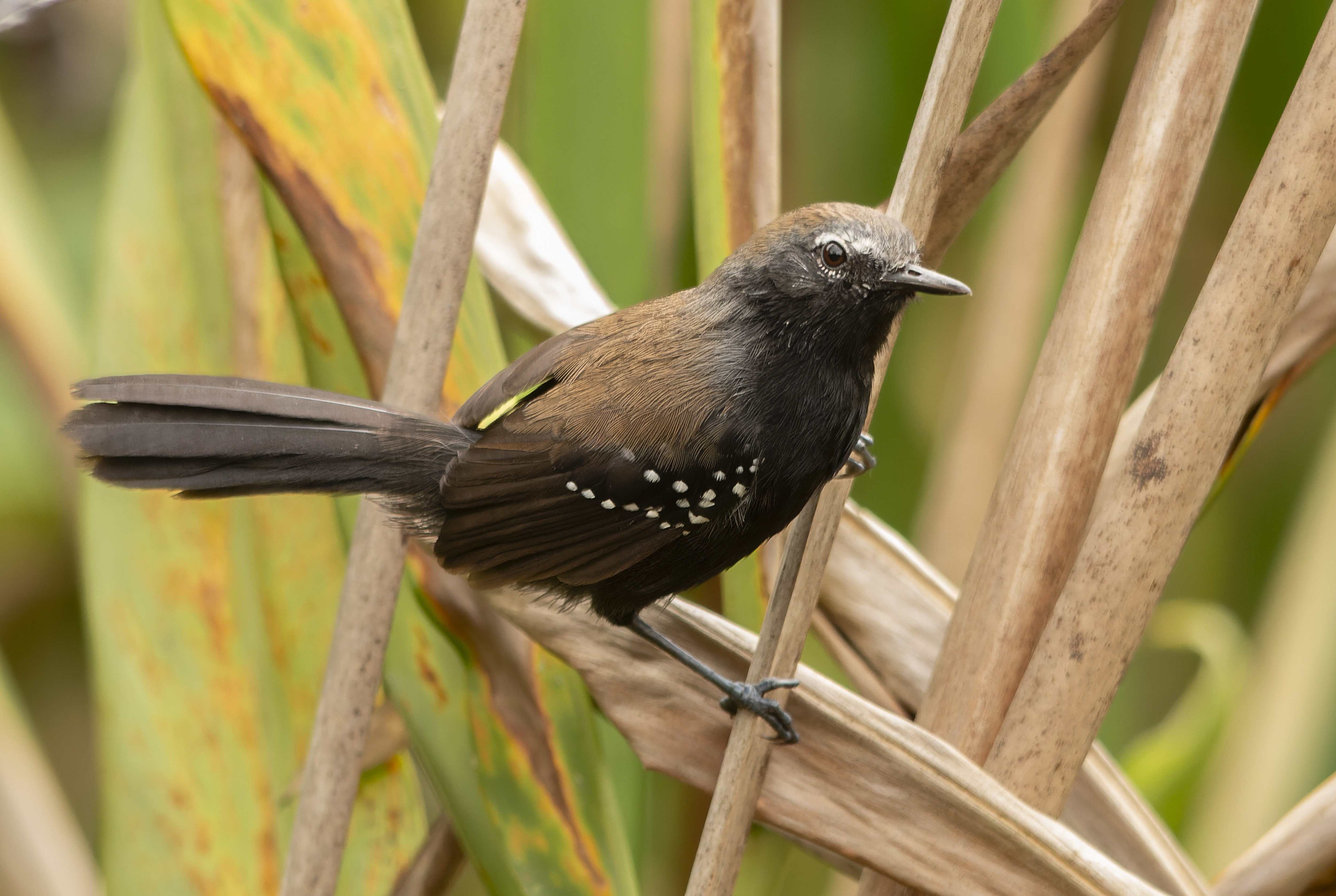
Suzano, a global leader in eucalyptus-based bioproducts, integrates forest production with environmental preservation in Brazil's Vale do Paraíba region. In São Paulo state, the company dedicates approximately 40% of its forest holdings, over 140,000 hectares spread across more than 100 municipalities, to conserving native vegetation. This commitment aims to protect the Mata Atlântica, one of Brazil's most endangered biomes, by creating a network of conserved areas that support climate balance, biodiversity, and water resources. These conserved lands are equivalent in size to an entire municipality and include native forests, springs, and ecological corridors.
The company's model combines forest cultivation with environmental conservation, respecting regional characteristics and enhancing connectivity between natural habitats. This strategy is further supported by managing Areas of High Conservation Value (AAVCs), which are crucial for endangered species, water sources, and local communities, with biodiversity serving as a key environmental quality indicator. Suzano adheres to international responsible management standards, verified by certifications for sustainable practices and production traceability.
Beyond conservation, Suzano is actively engaged in ecological restoration, targeting the restoration of 15,000 hectares in São Paulo by 2025, with 2,600 hectares already addressed in the past three years, prioritizing Permanent Preservation Areas and Legal Reserves. These efforts directly contribute to regional water security. The company also employs advanced technology, including AI and high-resolution cameras, for 24/7 monitoring and rapid response to environmental risks like fires, collaborating on initiatives to protect both public and private forest areas. Suzano's global sustainability strategy includes developing renewable products and bioeconomy initiatives, aiming to increase natural area connectivity, reduce environmental impact, and foster local development through income generation, creative economy projects, and environmental education programs that have benefited over 8,500 people.
Suzano's strategy of dedicating a significant portion of its land to conservation alongside production exemplifies a growing trend in the bio-products industry to integrate environmental stewardship with business operations. This approach, particularly in a sensitive biome like the Mata Atlântica, addresses the inherent tension between resource extraction and ecological preservation. By focusing on biodiversity metrics, water resource protection, and ecological restoration, Suzano is aligning its activities with global sustainability goals and potentially mitigating future regulatory and reputational risks. The company's investment in technology for environmental monitoring and fire prevention suggests a proactive stance on managing operational externalities. However, the long-term efficacy of such conservation efforts hinges on robust governance, transparent reporting, and continued investment, especially as global demand for bioproducts intensifies, which could create future pressures on land use and resource management.
AI-generated to prompt reflection — not editorial opinion, not advice, not a statement of fact. How this works.