Svalbard Reindeer Thrive Due to Climate Change, But With Caveats
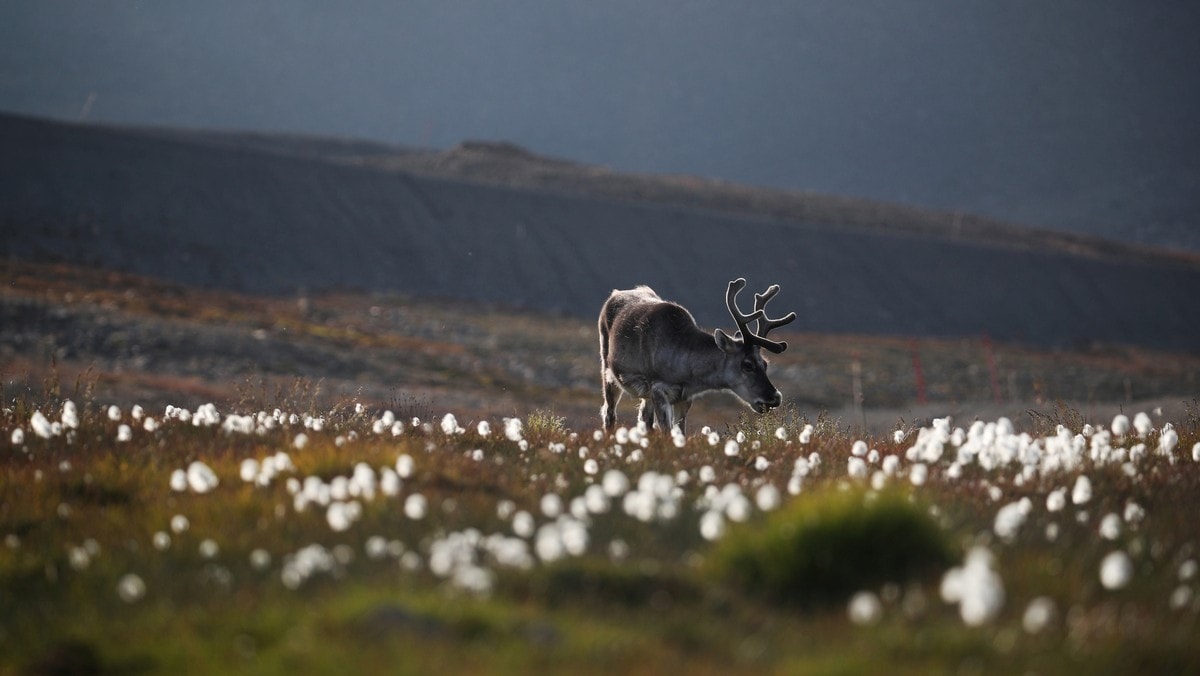
Researchers have identified the Svalbard reindeer as a "climate winner" due to a historically low number of deaths. This phenomenon is attributed to milder winters, which have led to less ice formation on the ground. Consequently, the reindeer have had easier access to food, contributing to their survival rates. However, the label of "climate winner" is not entirely positive, suggesting potential downsides or future challenges associated with this trend. The specific reasons for the low mortality and the nature of the "not entirely positive" aspects are not detailed in the provided text. The implication is that while the current conditions favor the reindeer population, the long-term ecological impacts may be complex.
The designation of Svalbard reindeer as "climate winners" highlights a direct ecological response to shifting climatic conditions, specifically milder winters reducing ground ice. This presents a case study in how species can adapt to environmental changes, but the accompanying caveat suggests that such adaptation may not be unequivocally beneficial in the long term. Future ecological assessments should consider potential population imbalances, resource competition, and the broader impacts on the Svalbard ecosystem. Understanding these dynamics is crucial for predicting the resilience and sustainability of Arctic biodiversity in the face of ongoing climate change.
AI-generated to prompt reflection — not editorial opinion, not advice, not a statement of fact. How this works.