Swat Suicide Bombing Death Toll Climbs to 19
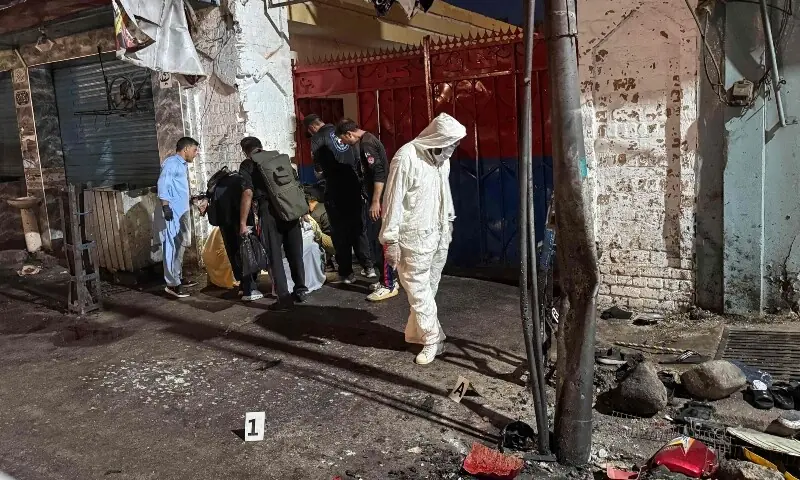
The death toll from a suicide bombing near the Kabal Police Station in Swat has risen to 19, with four additional victims dying from their injuries on Monday. The attack occurred on Sunday near the police station while a protest against lawlessness was taking place in the adjacent public square. Authorities reported that the suicide bomber detonated explosives after police attempted to stop and search him at the station's entrance. The initial blast killed 15 people, including police officials, and injured 18 others. Swat police spokesperson Nasir Iqbal Karimi confirmed the updated death toll in a statement. Following the attack, a large-scale rescue operation involving over 50 Rescue 1122 personnel was initiated. These teams provided immediate first aid before transporting the injured to hospitals for further medical care. Relief efforts are ongoing, and investigations into the suicide attack are continuing. Funeral prayers for two police constables, Mukarram Khan and Hussain Khan, who were martyred in the incident, were held on Monday at Javed Iqbal Shaheed Police Lines, where a police contingent paid tribute and laid wreaths.
This incident highlights the persistent threat of terrorism in regions experiencing civil unrest and protests against governance. The targeting of a police station during a public gathering suggests an attempt to disrupt order and sow fear, exploiting existing societal grievances. The increased death toll underscores the critical need for robust counter-terrorism strategies that address not only immediate security threats but also the underlying factors contributing to radicalization and violence. Moving forward, authorities face the challenge of balancing security measures with the protection of public assembly rights, while also ensuring transparent investigations and accountability to rebuild trust with the populace. The long-term implications involve assessing the effectiveness of current security frameworks and potentially re-evaluating approaches to law enforcement and community engagement in volatile areas.
AI-generated to prompt reflection — not editorial opinion, not advice, not a statement of fact. How this works.
