Sweden Tightens Residency Requirements for Migrants Ahead of Elections
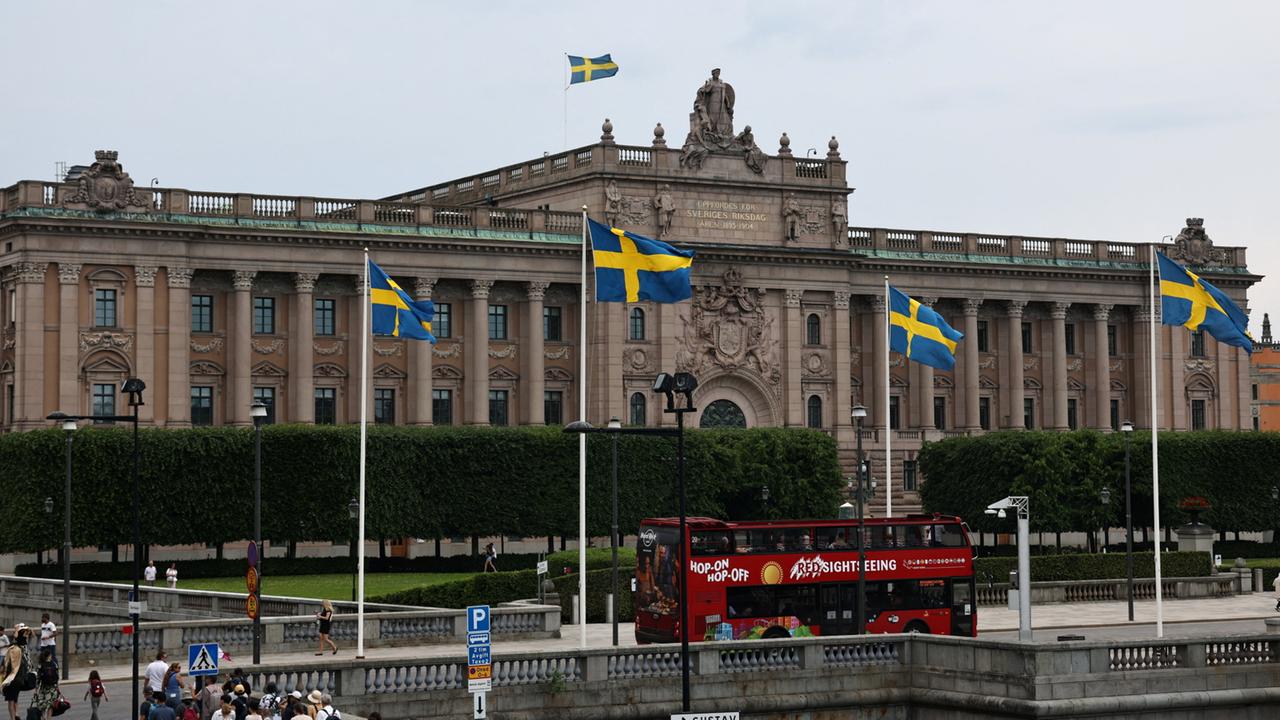
Two months before the parliamentary elections, Sweden has implemented stricter migration laws. A key change is the introduction of "Lebenswandel," or "way of life," as a criterion for residency permits. However, the exact definition and scope of "Lebenswandel" remain unclear, leaving ambiguity regarding its application. This new regulation is part of a broader effort to adjust the country's migration policies. The government aims to set higher expectations for individuals seeking to reside in Sweden. The specifics of how this criterion will be assessed and enforced are yet to be fully detailed. This development comes at a politically sensitive time, with national elections on the horizon. The implications for current and future migrants are significant, as their eligibility for residency may now depend on subjective interpretations of their lifestyle. Further clarification on the practical implementation of these new rules is anticipated.
Sweden's adjustment of residency criteria, incorporating a subjective 'way of life' standard, introduces a novel governance challenge. This move may reflect a broader European trend toward more restrictive immigration policies, potentially driven by electoral considerations and public sentiment. The ambiguity surrounding 'Lebenswandel' could lead to inconsistent application and raise questions about due process and fairness. From a systemic perspective, such criteria may inadvertently create barriers for integration and labor market participation, while also potentially increasing administrative burdens. The long-term impact will depend on how these standards are operationalized and whether they align with Sweden's demographic and economic needs in the coming decade.
AI-generated to prompt reflection — not editorial opinion, not advice, not a statement of fact. How this works.