Sweet Deception? Customers Accuse Candy Vendor of Price Gouging at Expocrato
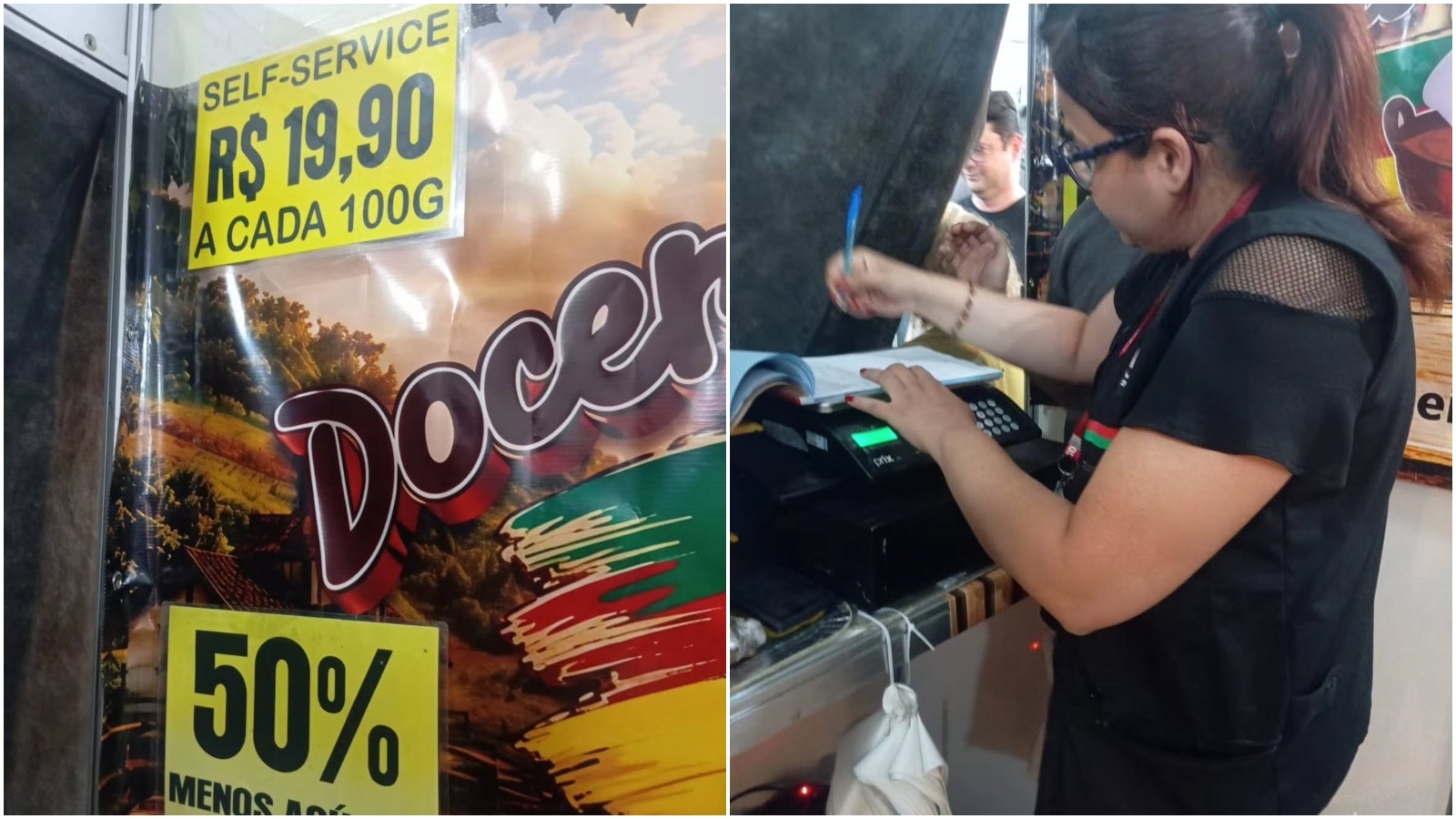
Customers at the Expocrato agricultural fair in Crato, Ceará, have lodged numerous complaints against Doceria Deleites, a candy stand, alleging they were overcharged for sweets. Reports describe feelings of embarrassment, surprise, and anger over unexpectedly high prices. Five customers shared their experiences with g1, detailing how they were caught off guard by the costs. The situation prompted an investigation by the State Program for Consumer Protection and Defense (Decon) of the Public Prosecutor's Office of Ceará (MPCE). Decon found that prices were not clearly displayed, and products lacked indications of size or weight, leading customers to purchase portions without knowing the final cost. Failure to comply with Decon's requirements could result in the establishment's closure.
One customer, Priscila Justino, traveled from Granito, Pernambuco, and intended to buy 100 grams of candy for R$ 19.90. However, after requesting a "two-finger" slice, the vendor cut a larger portion, stating it could not be returned. She felt coerced into paying R$ 330 for her purchase due to embarrassment and public pressure. Another customer paid R$ 118 for two pieces of hazelnut cream and peanut candy, noting that customers cannot accurately gauge 100 grams when marking their desired portion size. Digital creator Wellington Barros paid R$ 137 for three pieces of candy, stating that the vendor refused a return and insisted on payment, leading him to pay to avoid further trouble. Biologist Márcio Holanda was charged R$ 177 for two pieces of candy, and despite questioning the price and possibility of return, was told, "if it's cut, you have to take it." He ended up paying in two installments.
Doceria Deleites has denied any fraudulent practices. A company representative, Fausto, stated that the pricing is R$ 19.90 per 100 grams or R$ 199 per kilogram. He explained that customers can choose their desired slice size, but once cut, the portion cannot be resold, a practice he claims is instructed by sanitary surveillance. He acknowledged that some customers might misunderstand the process but insisted there was no scam. However, he did not address the specific allegations of customer coercion and embarrassment.
This incident highlights potential systemic issues in consumer-product interaction at large events, particularly concerning pricing transparency and sales pressure. The core conflict appears to stem from a disconnect between customer expectations of portion control and vendor practices related to per-weight sales. While the vendor asserts adherence to per-weight pricing and the inability to resell cut portions, customer accounts suggest a lack of clear communication and a potentially coercive sales environment designed to capitalize on social pressure and embarrassment. The regulatory intervention by Decon indicates a recognized pattern of consumer protection violations. Moving forward, clear, standardized signage for per-weight items, explicit policies on customer refusal after cutting, and vendor training on de-escalation techniques could mitigate future occurrences. The situation also raises questions about event organizers' oversight responsibilities in ensuring fair trade practices within their venues.
AI-generated to prompt reflection — not editorial opinion, not advice, not a statement of fact. How this works.