Sweet Scam? Consumers Report Overpriced Sweets at Ceará Fair
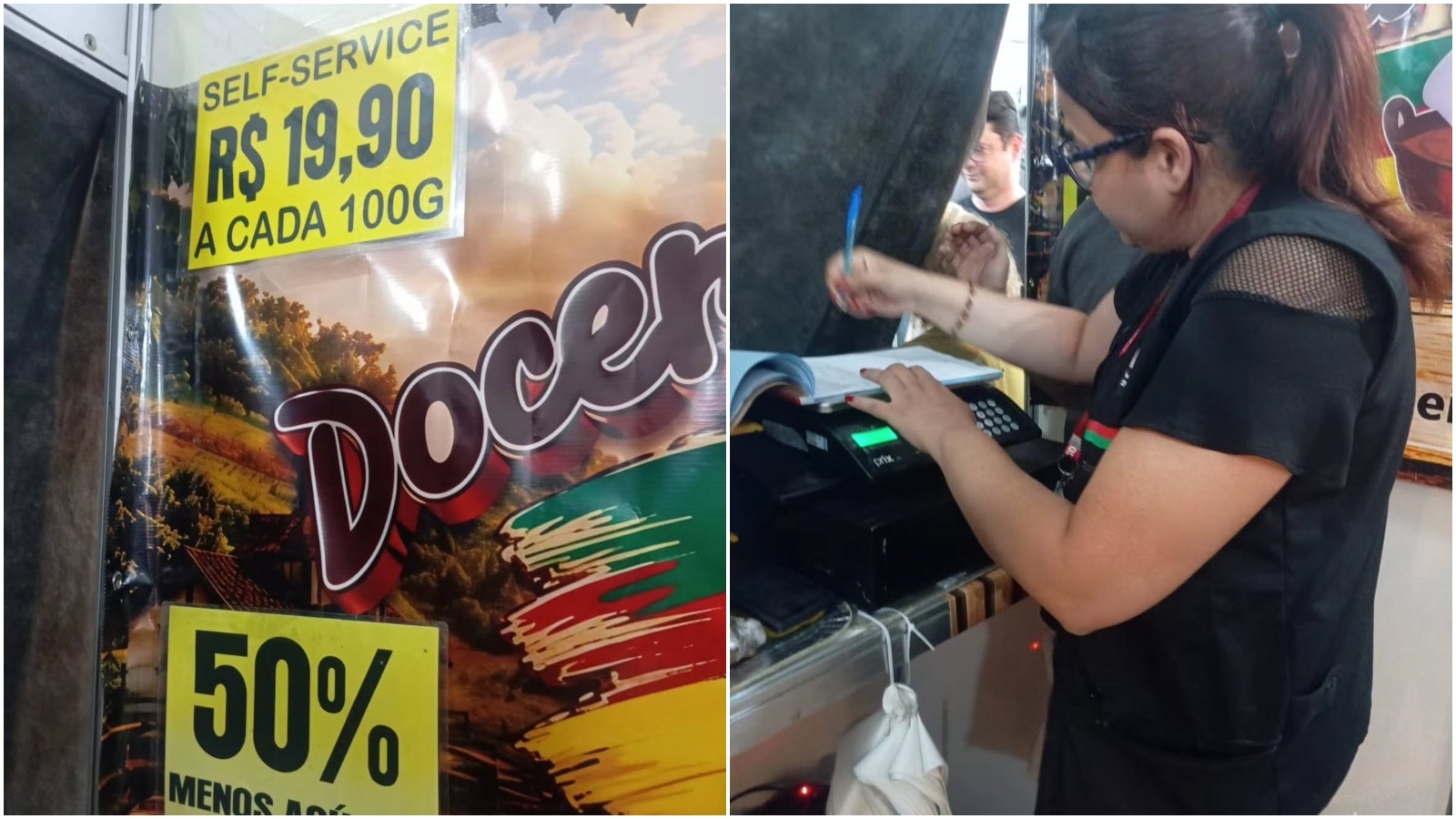
Consumers are reporting an alleged scam involving overpriced sweets at the Expocrato agricultural exhibition in Ceará, Brazil. The practice, dubbed the "sweet scam" on social media, involves vendors selling sweets by weight, with final prices allegedly far exceeding initial expectations, sometimes reaching over R$ 300. Customers claim they were surprised by the high costs after the sweets were weighed and felt pressured to pay, even when attempting to cancel the purchase. One customer reported two pieces of sweet costing R$ 117, while others paid R$ 137, R$ 177, and R$ 118 for their portions. The involved vendor, Doceria Deleites, denies any wrongdoing, stating their sales model is self-service and prices are clearly communicated. However, consumer protection agencies, including the Public Prosecutor's Office of Ceará and Decon, have investigated the stall. They found that prices were not clearly displayed and products lacked weight or size references, preventing consumers from estimating costs beforehand. The company was notified to make adjustments and faces potential further administrative actions. Legal experts explain that such practices can violate the Consumer Defense Code if establishments fail to provide clear and sufficient information before a purchase, allowing consumers to understand the final cost. While selling by weight is legitimate, the issue arises when information is insufficient, potentially allowing consumers to question charges and cancel purchases if transparency is lacking. Consumers are advised to immediately voice disagreements, request cancellations, and gather evidence if they suspect a lack of transparency.
The "sweet scam" incident highlights a recurring issue in consumer transactions involving variable pricing, particularly with goods sold by weight. The core of the dispute lies in the ambiguity of information provided to consumers versus the seller's operational model. While the vendor claims a self-service system with disclosed per-weight prices, consumer accounts suggest a significant disconnect between the advertised rate and the final charge, leading to potential misrepresentation. Regulatory bodies are investigating to determine if the seller's practices align with consumer protection laws requiring clear, upfront cost disclosure. This situation underscores the need for standardized practices in weight-based sales, such as displaying sample portions with their corresponding prices, to mitigate consumer surprise and potential exploitation. Future market dynamics may necessitate clearer digital interfaces or pre-purchase cost calculators for such vendors to ensure transparency and build trust.
AI-generated to prompt reflection — not editorial opinion, not advice, not a statement of fact. How this works.