Swiss Air Grounds Two Pilots for Pre-Flight Intoxication
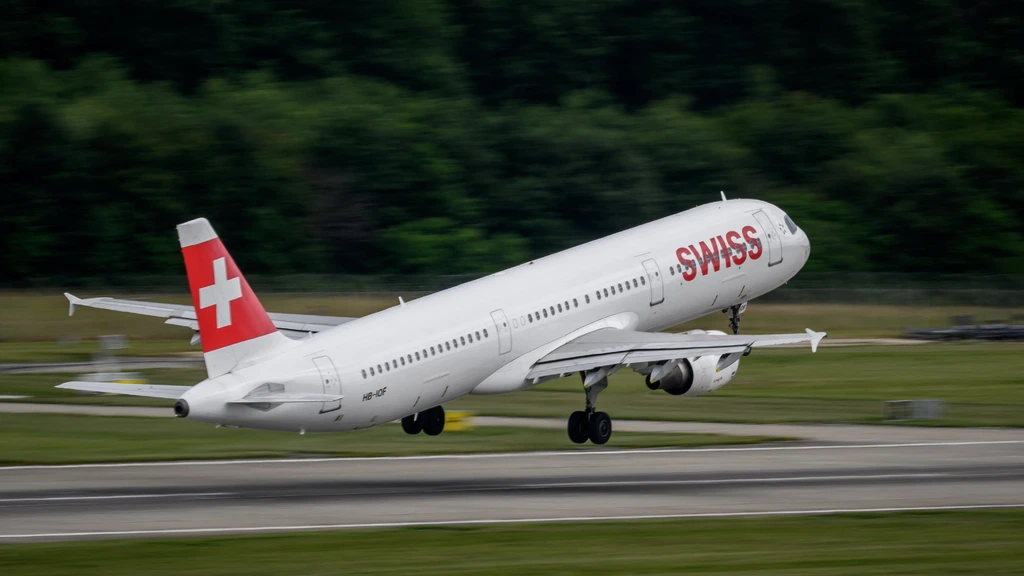
Swiss International Air Lines has suspended two pilots after they were found to be intoxicated the evening before a scheduled flight. Crew members raised concerns with their supervisors several hours before the flight departing from Geneva. The incident, which occurred in May, was confirmed by the airline following an inquiry from an aviation news outlet. The pilots have not flown since their suspension and will remain grounded pending the completion of an investigation. They were removed from duty at their hotel before the flight, and replacement pilots were arranged. Swiss stated that the crew members' specific warnings raised doubts about the pilots' fitness to fly. The news site reported that the pilots drank significantly later and consumed more alcohol than permitted before their duty, with bystanders describing their state that evening as "visibly drunk."
European aviation regulations impose strict rules on alcohol consumption for flight crews. Airlines generally enforce a zero-tolerance policy before duty, as outlined in their terms and conditions. To account for potential measurement errors or residual alcohol, flight crew members are permitted a maximum blood alcohol content of 0.2 permille. The aviation industry adheres to the 'eight hours bottle to throttle' rule, prohibiting pilots and cabin crew from working within eight hours of consuming alcohol. Many airlines implement even stricter policies, requiring crew members to abstain from alcohol for 12 to 24 hours prior to duty.
This incident highlights the critical importance of stringent alcohol policies in aviation safety. While Swiss International Air Lines has acted decisively by grounding the pilots, the situation underscores a systemic challenge in ensuring crew sobriety. The 'eight hours bottle to throttle' rule, while a legal minimum, may not sufficiently mitigate risks given the demanding nature of flight operations and the potential for individual alcohol metabolism variations. The airline's internal reporting mechanism, which led to the pilots' removal, demonstrates a functional safety culture, yet the initial consumption by pilots indicates a lapse in personal responsibility that could have had severe consequences. Future considerations might involve exploring advanced monitoring technologies or reinforcing the psychological and practical implications of alcohol consumption on cognitive function and reaction times, particularly in high-stakes professions like piloting. The long-term effectiveness of current regulations will depend on continuous adaptation to scientific understanding of alcohol's effects and robust enforcement mechanisms.
AI-generated to prompt reflection — not editorial opinion, not advice, not a statement of fact. How this works.