Swiss glaciers melting at alarming rate due to heatwave, El Niño expected to strengthen
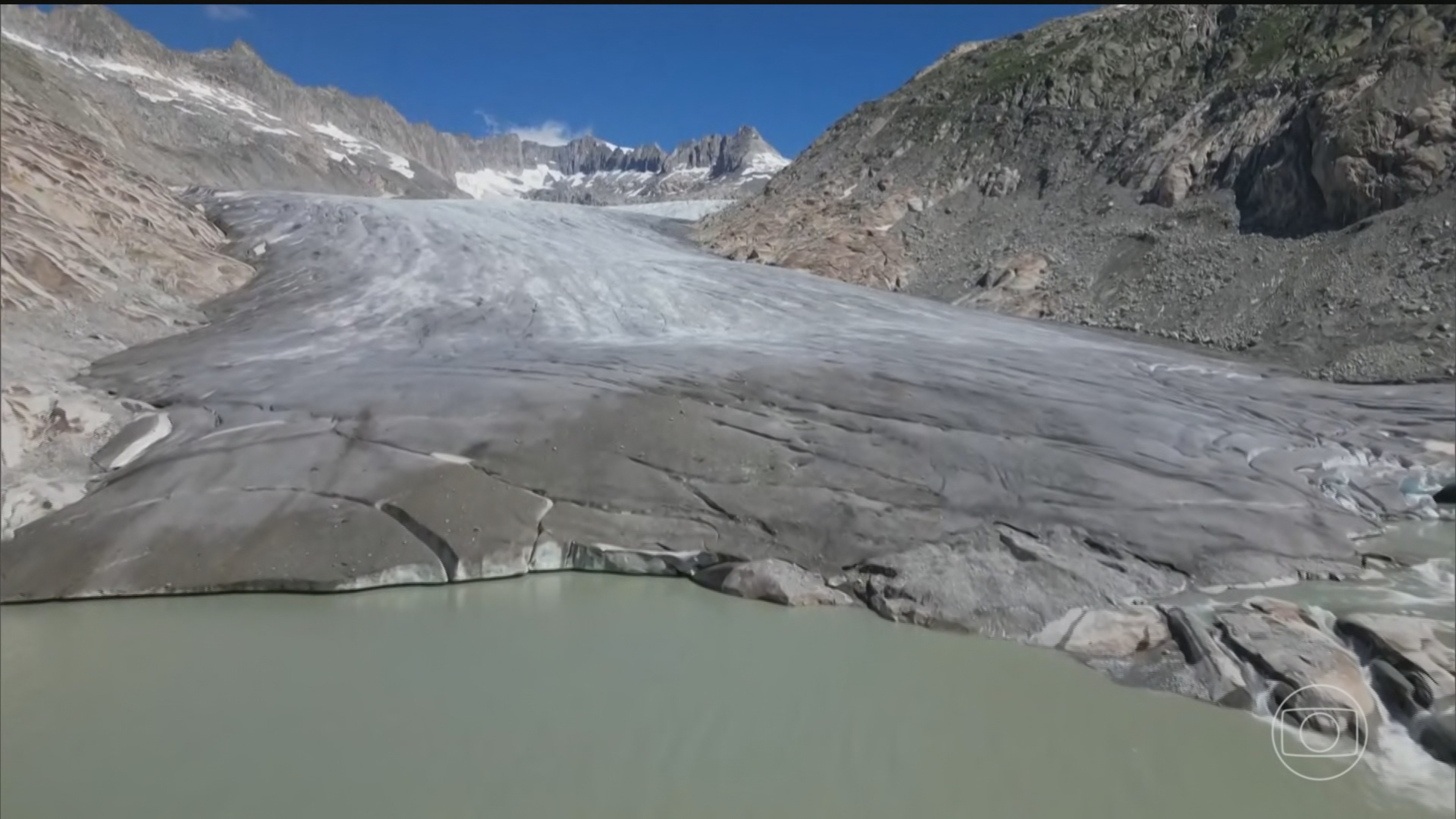
Scientists have issued a stark warning that the El Niño phenomenon is expected to gain significant strength in the coming months, increasing the likelihood of extreme weather events globally. This comes as Europe continues to grapple with intense heatwaves and widespread wildfires. In France, over 1,500 tourists were forced to evacuate campsites threatened by flames, while Spain experienced temperatures exceeding 40°C amidst advancing fires. The World Meteorological Organization confirmed on Friday, July 3rd, that a strong El Niño is likely to develop rapidly within the next three months, potentially leading to prolonged periods of global temperatures above average until 2027. Meanwhile, Switzerland is experiencing severe glacial melt. Matthias Huss, who monitors the glaciers, reported that the ice accumulated over decades, and even centuries, is rapidly disappearing. He stated that Swiss glaciers are losing enough water to fill an Olympic-sized swimming pool every six seconds due to the ongoing heatwave. The extreme heat has already caused 3,700 confirmed deaths in France, Belgium, and the Netherlands in the past week. Italy is beginning to emerge from its emergency phase after 25 major cities were on high alert for extreme heat. Scientists emphasize that summers like this are becoming increasingly common, signaling a long-term trend of escalating climate challenges.
The convergence of a potent El Niño event and persistent European heatwaves highlights the escalating vulnerability of glacial ice masses to rising global temperatures. The rate of glacial melt in Switzerland, quantified as filling an Olympic pool every six seconds, serves as a critical indicator of accelerated climate change impacts. This phenomenon underscores the systemic challenge of managing greenhouse gas emissions and adapting to inevitable climatic shifts. As El Niño amplifies the potential for extreme weather, nations face interconnected risks, from wildfire devastation and heat-related mortality to potential impacts on inflation and food security, as suggested by government projections. The increasing frequency of such extreme summers necessitates a proactive, long-term strategy that integrates climate resilience into infrastructure, resource management, and international cooperation frameworks.
AI-generated to prompt reflection — not editorial opinion, not advice, not a statement of fact. How this works.