Swiss Pig Overproduction Leads to Slaughter in Germany
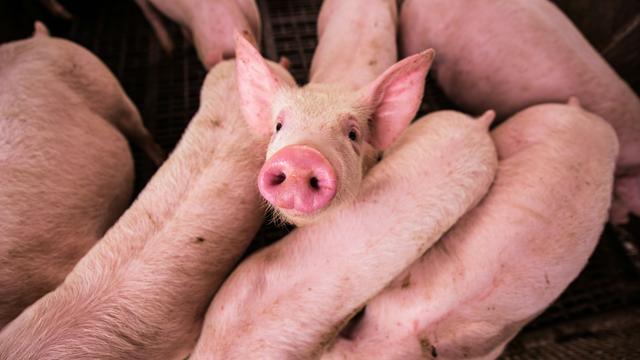
Switzerland is experiencing a significant overproduction of pigs, leading to animals being transported to Germany for slaughter. Each week, approximately 900 piglets are involved in this process. The situation highlights a surplus of livestock that the domestic market cannot absorb. This excess necessitates finding external solutions for processing the animals. The phrase "We play God here. We give life, and we take it away again" reflects the ethical considerations and the difficult decisions involved in managing such overpopulation. The practice of transporting animals across borders for slaughter raises questions about logistics, animal welfare, and the economic pressures driving these decisions. The scale of the operation, with 900 piglets weekly, underscores the magnitude of the overproduction issue.
The overproduction of livestock in Switzerland, necessitating cross-border slaughter in Germany, points to a potential misalignment between agricultural production capacity and market demand. This situation may stem from factors such as subsidies, technological advancements in breeding, or shifts in consumer preferences. The logistical and ethical implications of transporting a large volume of animals, such as 900 piglets weekly, for processing warrant consideration. From a systemic perspective, such events can reveal inefficiencies in supply chain management and agricultural policy. Future agricultural strategies might benefit from more dynamic demand forecasting and adaptive production models to mitigate such surpluses and their associated costs, both economic and ethical.
AI-generated to prompt reflection — not editorial opinion, not advice, not a statement of fact. How this works.