Switzerland Bans Atrazine; India Continues Use Despite Hormone Disruption Concerns
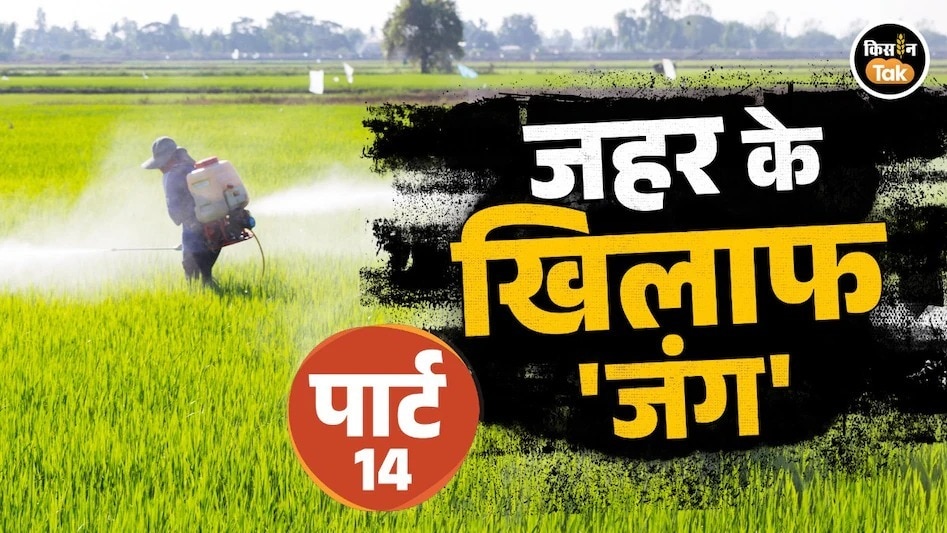
Switzerland has banned the herbicide Atrazine, a move that raises questions about its continued use in India. Indian agrochemical companies and agricultural scientists often cite food security concerns when faced with calls to ban chemicals. This practice prompts scrutiny over the prioritization of food security versus potential health and environmental impacts. The debate highlights a critical question: which concern should take precedence when chemicals with known risks are still in use.
The continued use of Atrazine in India, despite its ban in Switzerland, suggests a divergence in regulatory approaches and risk assessment between the two countries. The argument for food security, while important, is being challenged by those who believe the potential long-term health effects, including hormone disruption, warrant a re-evaluation of such policies. This situation underscores the complex interplay between agricultural practices, chemical regulation, and public health concerns.
The regulatory divergence between Switzerland's Atrazine ban and India's continued use highlights differing national priorities and risk tolerance frameworks. While food security is a critical consideration for India, the potential for endocrine disruption necessitates a robust, evidence-based risk-benefit analysis. Future policy decisions should consider the long-term public health and environmental costs against immediate agricultural output, potentially exploring safer alternatives and enhanced monitoring systems to align with evolving global chemical safety standards and protect citizens' well-being.
AI-generated to prompt reflection — not editorial opinion, not advice, not a statement of fact. How this works.