SwRI Scientists Develop Solar Wind Forecasting for New Horizons' Interstellar Journey
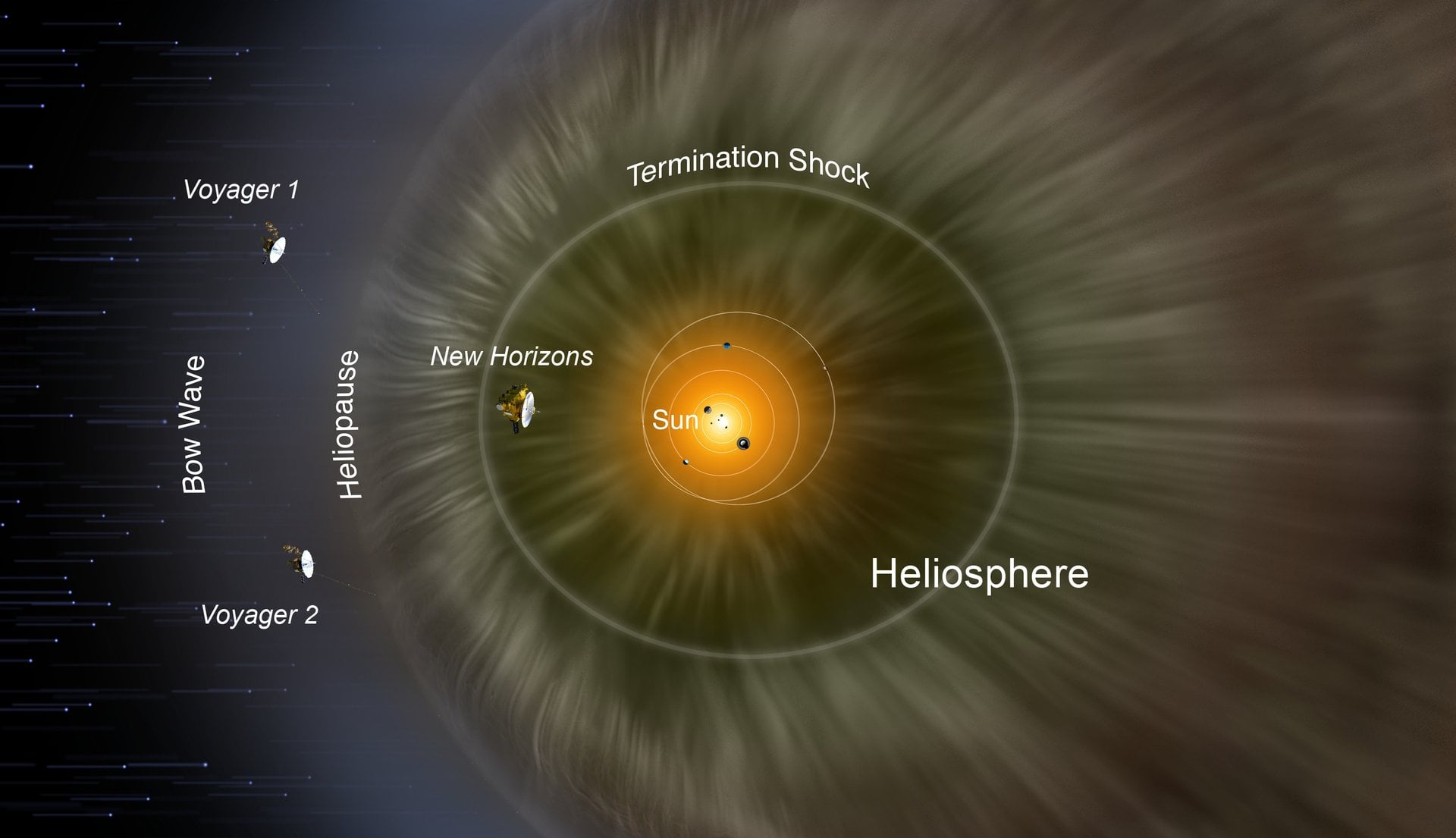
Scientists at the Southwest Research Institute (SwRI) are developing a novel method to forecast solar wind conditions. This advanced technique utilizes a combination of analytical and numerical models of the heliosphere. The primary goal is to pinpoint the location of the outer heliosphere's first plasma boundary. This research is crucial as NASA's New Horizons spacecraft continues its trajectory towards this unexplored region of space. Understanding this boundary is key to interpreting the data New Horizons will collect. The development signifies a proactive approach to space exploration, aiming to anticipate and understand the complex environment beyond our solar system. This forecasting method will enhance the scientific return of the New Horizons mission.
The development of solar wind forecasting methods for deep space missions like New Horizons highlights a growing need for predictive capabilities in navigating the heliosphere. As spacecraft venture further from the Sun, understanding the dynamic plasma environment becomes paramount for mission success and data interpretation. This initiative reflects a strategic investment in anticipating space weather phenomena, which could significantly impact future interstellar exploration endeavors. By leveraging advanced modeling, researchers aim to de-risk complex trajectories and maximize scientific discovery, demonstrating a shift towards more proactive rather than reactive approaches in space science.
AI-generated to prompt reflection — not editorial opinion, not advice, not a statement of fact. How this works.