Syangja vaccinates over 155,000 animals against infectious diseases
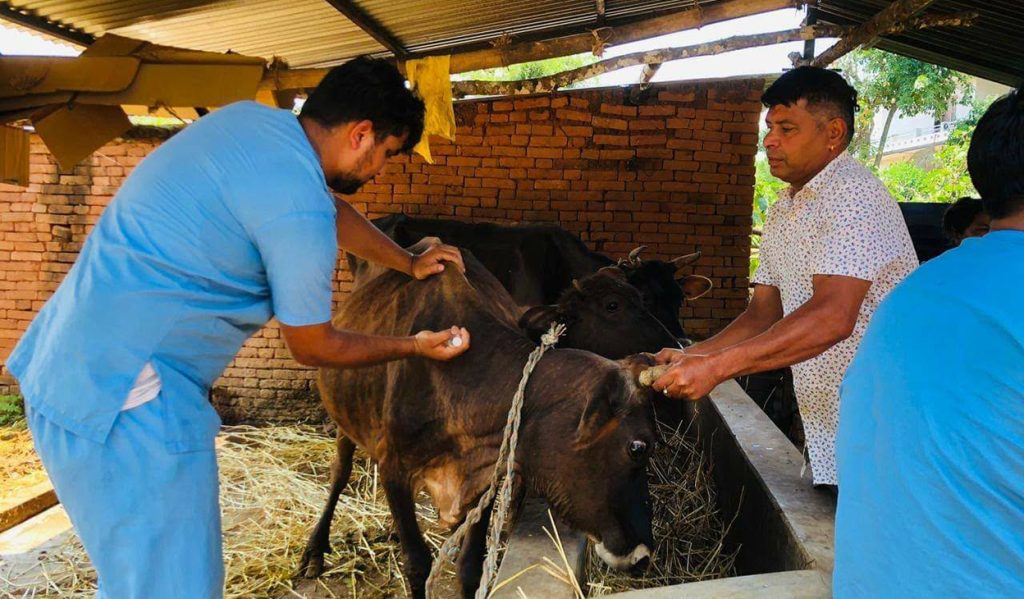
In Syangja, Nepal, a vaccination campaign successfully administered vaccines against various infectious diseases to 155,056 animals during the fiscal year 2082/83 (approximately mid-July 2025 to mid-July 2026). The Veterinary Hospital and Animal Services Office in Syangja reported that the initiative covered a wide range of livestock and domestic animals. Vaccinations were provided for cattle, buffaloes, oxen, calves, goats, sheep, pigs, dogs, and cats. The campaign aimed to control prevalent infectious diseases affecting these animals. Specific diseases targeted included Foot-and-Mouth Disease (FMD), Anthrax, Hemorrhagic Septicemia, and Lumpy Skin Disease, among others. This effort is part of a broader strategy to enhance animal health and prevent outbreaks within the district. The program's success is measured by the significant number of animals reached, contributing to the overall health and productivity of the region's animal population. The office continues to monitor animal health and implement preventive measures.
The vaccination drive in Syangja represents a proactive public health measure for animal populations, aiming to mitigate economic losses and ensure food security by preventing costly disease outbreaks. Such initiatives highlight the critical role of accessible veterinary services in rural economies. Looking ahead, sustained investment in animal health infrastructure, including diagnostics and surveillance, will be crucial for adapting to evolving disease patterns and potential zoonotic threats in an increasingly interconnected world. The long-term sustainability of these programs may depend on integrating them with broader agricultural development strategies and exploring innovative funding models.
AI-generated to prompt reflection — not editorial opinion, not advice, not a statement of fact. How this works.