Sydney Couple's Fence Removal Unlocks Bushland Views and Promotes Green Architecture
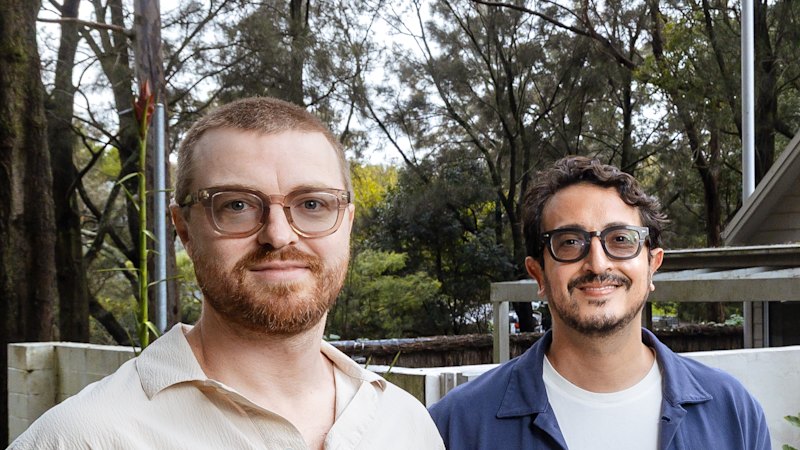
A Sydney couple's decision to remove their back fence has led to unexpected benefits, including an enhanced view of the surrounding bushland. This act aligns with a broader movement among architects advocating for 'breathable density,' a concept also referred to as Green-Oriented Development (GOD). This approach aims to maximize the potential of Sydney's natural assets, such as its bushland areas and waterways, through thoughtful urban planning. The GOD initiative seeks to integrate development with the environment, ensuring that new projects contribute positively to the ecological and aesthetic qualities of the city. Architects championing this cause believe it is crucial for sustainable urban growth, particularly in a city like Sydney with significant natural beauty. The removal of the fence by the couple serves as a small-scale example of how rethinking traditional boundaries can open up possibilities for better integration with nature. The movement emphasizes a design philosophy that prioritizes natural light, ventilation, and green spaces within urban developments. Ultimately, the goal is to create more livable and environmentally conscious communities that respect and preserve the unique natural landscapes of Sydney.
The removal of a residential boundary fence, while seemingly a minor domestic decision, can be viewed through the lens of evolving urban design philosophies. The concept of 'breathable density' or Green-Oriented Development (GOD) highlights a growing tension between traditional property ownership models and the imperative for sustainable, ecologically integrated urban living. Architects advocating for GOD are challenging conventional development patterns that may prioritize private space over shared environmental benefits. This approach suggests that by rethinking physical divisions, communities can foster greater connection with natural surroundings and potentially enhance ecological resilience. The future of urban development will likely involve navigating such trade-offs, balancing individual property rights with collective environmental stewardship and the increasing need for resource efficiency in densely populated areas.
AI-generated to prompt reflection — not editorial opinion, not advice, not a statement of fact. How this works.