Sydney's Homelessness Crisis: The Human Impact Behind the Statistics
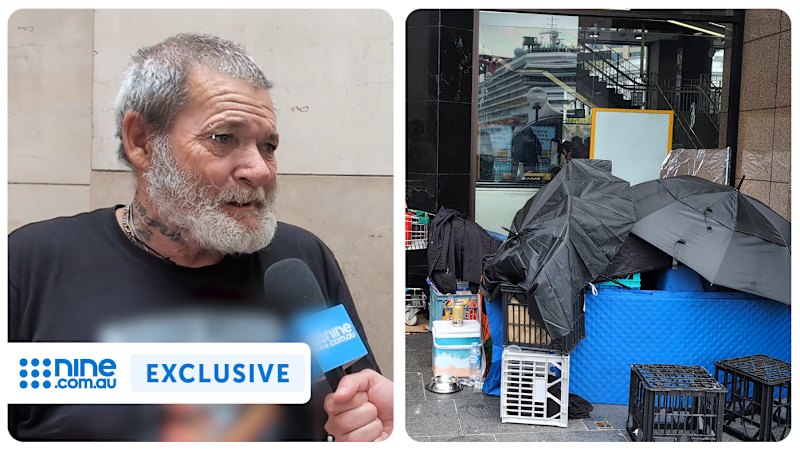
Sydney's streets are increasingly lined with makeshift shelters, highlighting the severe housing crisis affecting vulnerable residents. Support groups and individuals experiencing homelessness are speaking out about the harsh realities they face daily. The visible increase in makeshift encampments serves as a stark reminder of the growing number of people without stable housing in the city. These shelters, often constructed from salvaged materials, represent the desperate measures individuals are forced to take to find any form of refuge. The situation underscores a critical failure in providing adequate and affordable housing solutions for all members of the community. Advocates emphasize that behind the statistics are real people struggling with complex issues, including mental health challenges, job loss, and domestic violence, which often contribute to their homelessness. The growing visibility of homelessness in Sydney is prompting calls for urgent and comprehensive action from government and community organizations. Support services are stretched thin, struggling to meet the escalating demand for shelter, food, and assistance. The human cost of this crisis is profound, impacting not only the individuals directly affected but also the broader social fabric of the city. Addressing Sydney's housing crisis requires a multi-faceted approach that includes immediate relief and long-term strategies for affordable housing development and support services.
The visible increase in makeshift shelters in Sydney reflects a systemic challenge in urban housing affordability and availability. While the immediate need is for shelter and support services, the underlying issue points to broader economic and social policies. The crisis highlights a potential disconnect between urban development strategies and the provision of essential housing for all income levels. Future policy considerations should focus on incentivizing diverse housing stock, strengthening social safety nets, and exploring innovative public-private partnerships to ensure housing security in rapidly growing metropolitan areas. Addressing this issue proactively can mitigate future social and economic costs associated with homelessness.
AI-generated to prompt reflection — not editorial opinion, not advice, not a statement of fact. How this works.