Sydney's New Airport Takes Flight, Revolutionizing Australian Air Travel
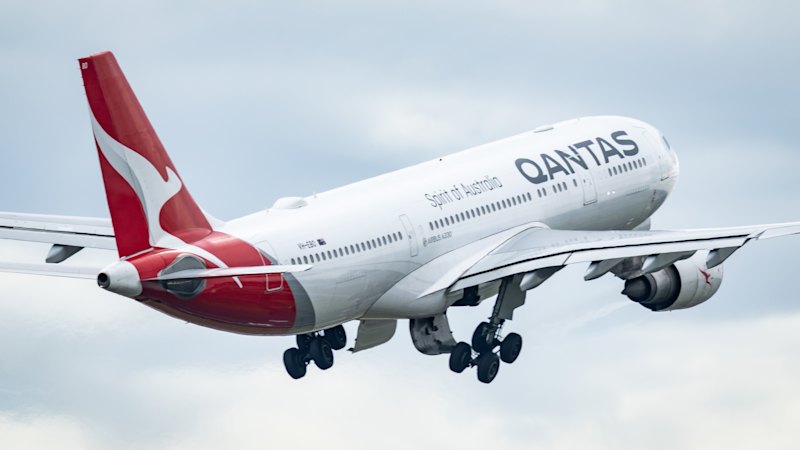
The inaugural flight has departed from Greater Western Sydney, marking a significant milestone in Australian aviation history. This new airport, initially conceived with ambitious, almost aspirational goals, has now materialized into a fully operational hub. Its launch is expected to reshape the landscape of air travel across the nation. The development signifies a major step forward in infrastructure for the region. The project's completion is a testament to the planning and execution involved. Passengers and cargo will now have a new gateway. This expansion is poised to boost connectivity and economic activity. The implications for future air travel operations in Australia are substantial.
The operationalization of Greater Western Sydney's new airport represents a substantial infrastructure investment aimed at enhancing national air travel capacity and connectivity. Such large-scale projects often involve complex logistical and economic considerations, including initial capital expenditure, long-term operational efficiency, and potential impacts on existing transportation networks. The success of this airport will likely be measured not only by passenger and cargo volume but also by its contribution to regional economic development and its integration into the broader national transportation strategy. Future assessments should consider its role in adapting to evolving travel demands and technological advancements in aviation.
AI-generated to prompt reflection — not editorial opinion, not advice, not a statement of fact. How this works.