Sylvie Goulard: German Chancellor Needs More Ideas for Europe's Future
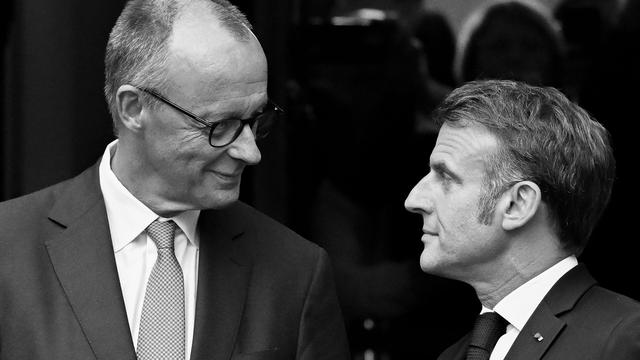
Former French Defense Minister Sylvie Goulard has urged German Chancellor Olaf Scholz to present more concrete ideas for Europe's future. Goulard emphasized that the direction of Europe also depends on Germany's actions and willingness to engage in joint defense projects. She believes that Germany, as a major European power, has a significant role to play in shaping the continent's trajectory. Goulard's comments suggest a desire for stronger German leadership and a more proactive approach to European integration and security. The former minister also implied that Germany's choices could influence broader political outcomes, including electoral results in other member states, hinting at the potential impact of German policy on the rise of certain political forces. She specifically called for joint armament projects, indicating a need for increased defense cooperation among European nations. This call underscores the current geopolitical challenges and the importance of a unified European defense strategy.
Sylvie Goulard's remarks highlight a perceived gap in European leadership, particularly from Germany, regarding the continent's strategic future and defense capabilities. The call for 'more ideas' and 'joint armament projects' points to systemic challenges in coordinating defense spending and policy across the European Union. This situation reflects the tension between national sovereignty and the need for collective security in an increasingly complex geopolitical landscape. The statement also implicitly addresses the internal political dynamics within Germany and their external implications, suggesting that domestic policy choices can have significant ripple effects on European stability and integration. Examining this through a futurist lens, the push for greater defense integration is likely to intensify as technological advancements and evolving global threats necessitate more robust and unified European responses, potentially leading to a re-evaluation of existing security architectures.
AI-generated to prompt reflection — not editorial opinion, not advice, not a statement of fact. How this works.