Synthetic Cell 'SpudCell' Grows and Replicates, Yet Lacks Life
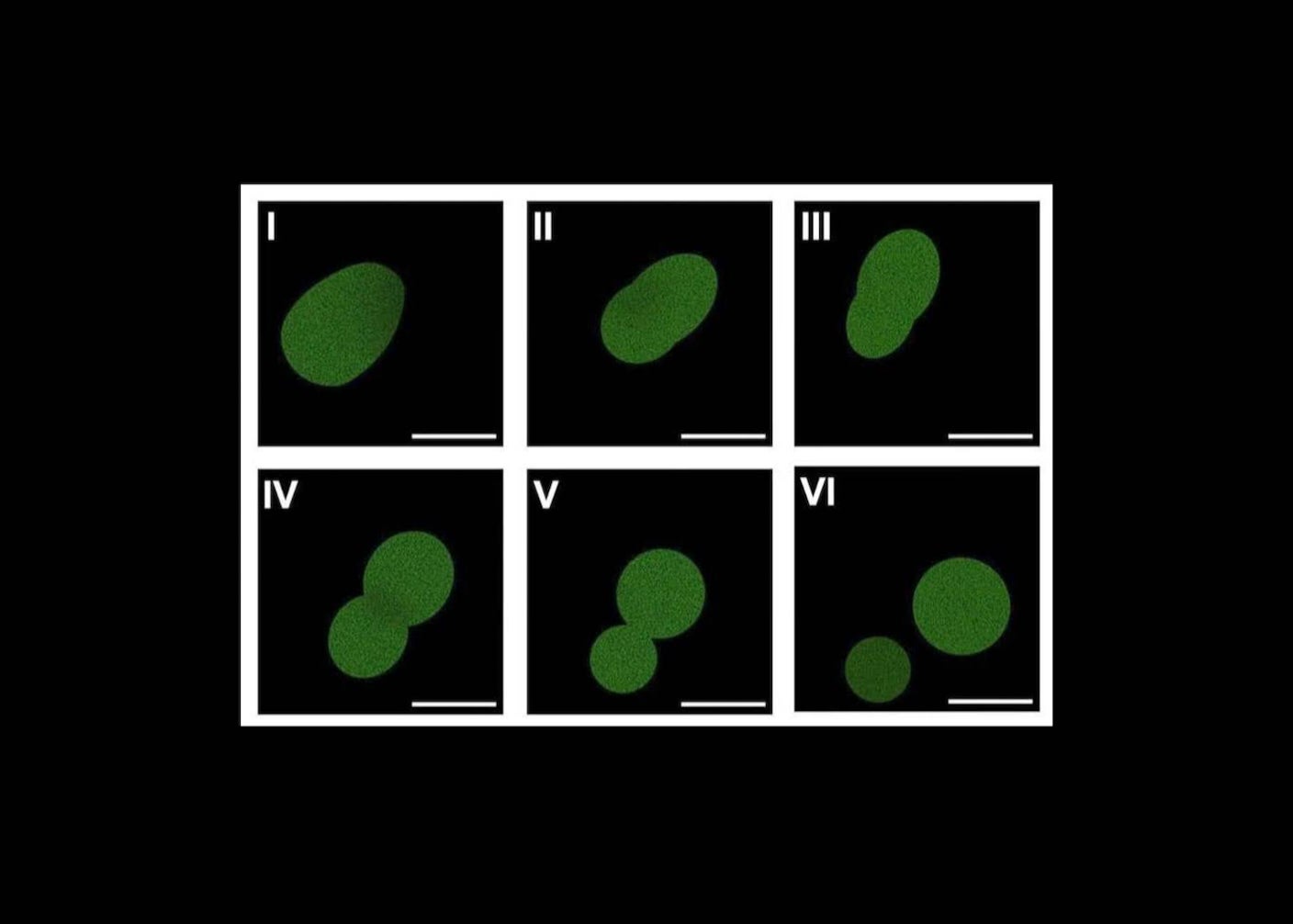
Researchers have developed a synthetic cell, named SpudCell, that represents a significant advancement in the field of synthetic biology. This artificial cell is capable of growth, DNA replication, and producing offspring, demonstrating complex biological functions. Despite these life-like capabilities, the scientists emphasize that SpudCell is not considered alive. This development is a crucial step towards the long-term goal of constructing life forms entirely from non-living components. The creation of SpudCell pushes the boundaries of what can be engineered in a laboratory setting. It highlights the intricate processes that define life and the challenges in replicating them synthetically. This breakthrough opens new avenues for research into the fundamental nature of life and the potential for creating novel biological systems.
The creation of SpudCell, a synthetic entity capable of growth and replication yet not classified as alive, underscores the evolving definition of life in the context of advanced biotechnology. This development prompts a re-evaluation of the criteria used to distinguish between living and non-living systems, particularly as synthetic biology progresses. The ability to engineer complex biological functions from basic components raises questions about future biological design and its ethical implications. As such technologies mature, they will likely influence fields ranging from medicine to materials science, necessitating careful consideration of governance frameworks to navigate the potential societal impacts and ensure responsible innovation in the coming decade.
AI-generated to prompt reflection — not editorial opinion, not advice, not a statement of fact. How this works.