Syria Arrests Suspects After Damascus Explosions During French President Macron's Visit
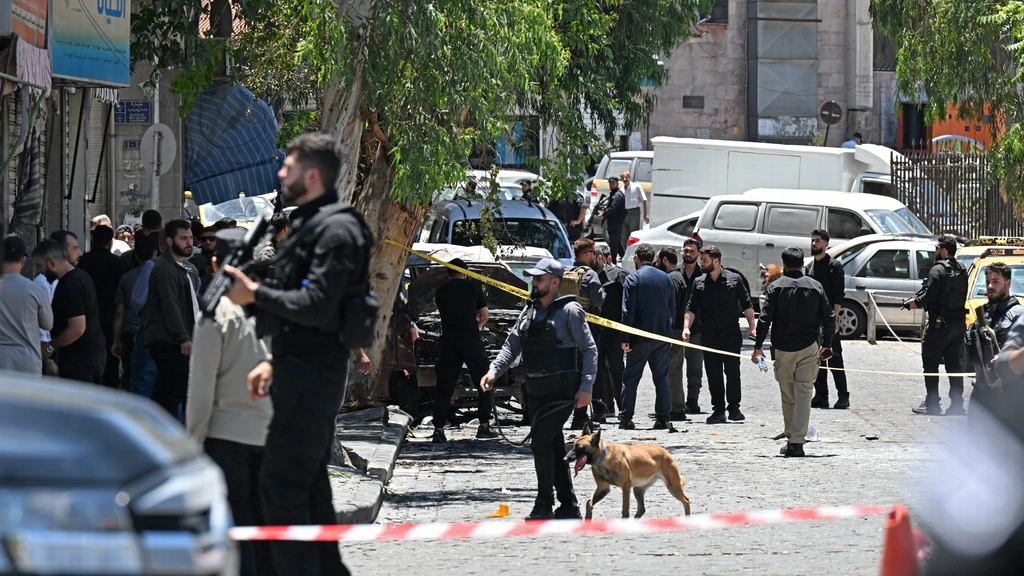
Syrian authorities have arrested several suspects in connection with explosions that occurred in the capital, Damascus, last Tuesday. The blasts resulted in one fatality and injured 36 people, according to the Syrian Ministry of Health. The explosions took place near the hotel where French President Emmanuel Macron was staying during his visit to Damascus. President Macron was en route to a meeting with Syrian President Bashar al-Assad at the time of the incident. The news agency AP reported that Syria's security services attribute the attack to the Islamic State (IS) terrorist group, though IS has not claimed responsibility. A commander from the Internal Security Services stated that investigators identified one suspect through security camera footage, which led to the identification and apprehension of other individuals involved. This incident follows another explosion in Damascus a few days prior, which killed at least ten people and wounded over twenty. President al-Assad has been in power since late 2024, following the fall of the Assad regime, and has recently hosted several foreign delegations. Notably, President Macron was the first EU head of state to visit Syria since the fall of the Assad regime.
The Syrian government's swift arrests following the Damascus explosions during President Macron's visit highlight the complex security environment and the geopolitical implications of foreign leader engagements. Attributing the attack to IS, without a claim of responsibility from the group, raises questions about the evidence and potential political motivations behind the attribution. The government's ability to identify suspects via security footage suggests a degree of surveillance capability, but the occurrence of such attacks underscores persistent security challenges. For foreign governments, such incidents underscore the inherent risks associated with diplomatic engagement in regions with ongoing instability, necessitating robust security protocols and a thorough assessment of the threat landscape. The event also emphasizes the delicate balance between seeking diplomatic normalization and managing internal security threats, a challenge that will likely persist as regional dynamics evolve.
AI-generated to prompt reflection — not editorial opinion, not advice, not a statement of fact. How this works.