Syria May Ally with Hezbollah Despite Trump's Pressure
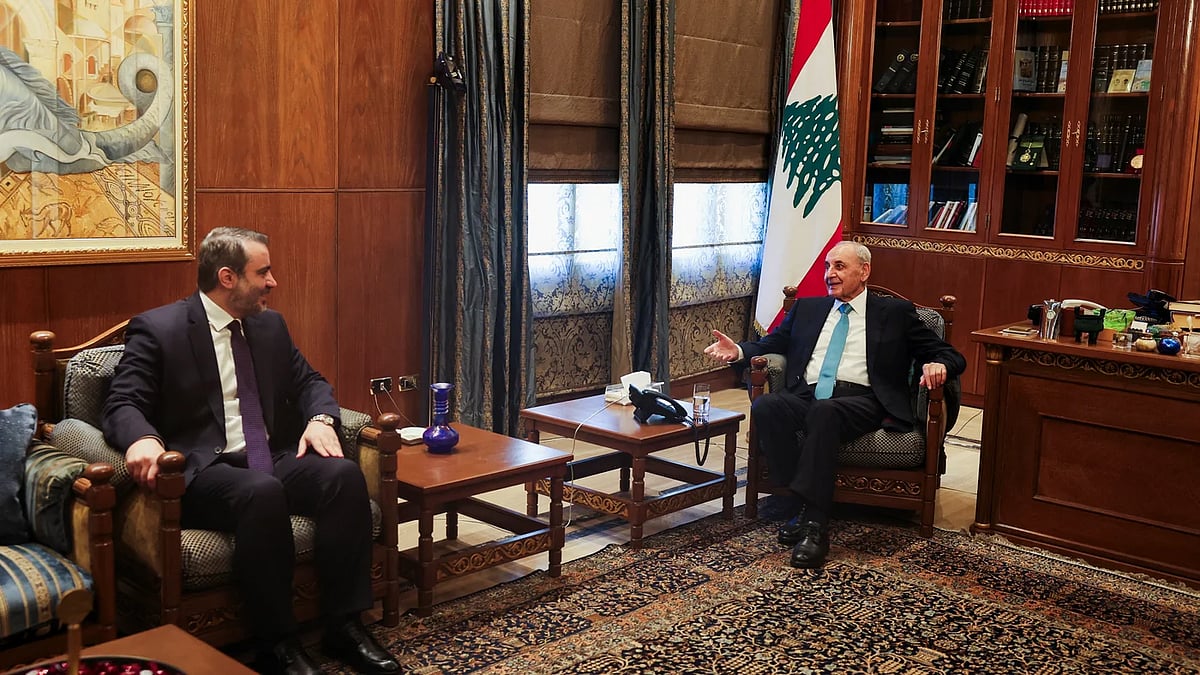
Syrian President Bashar al-Assad may be moving towards an alliance with Hezbollah, despite recent pressure from U.S. President Donald Trump. Trump had controversially suggested that Syria could be tasked with confronting Hezbollah. This potential shift in regional alliances comes amid ongoing geopolitical tensions in the Middle East. The implications of such a partnership could significantly alter the balance of power in the region. Hezbollah, a Lebanese Shia Islamist political party and militant group, has long been a key player in regional conflicts. Syria, under Assad's leadership, has been a significant ally to Iran and a rival to U.S. interests in the area. The U.S. has designated Hezbollah as a terrorist organization. Trump's suggestion was seen as an unusual diplomatic maneuver, potentially seeking to leverage Syria's influence. However, if Syria proceeds with closer ties to Hezbollah, it would represent a direct challenge to U.S. policy and its regional allies.
The potential for Syria to deepen ties with Hezbollah, irrespective of U.S. presidential pressure, highlights the enduring strategic alignments in the Middle East. Such a move would underscore Syria's commitment to its existing alliances, particularly with Iran, and its continued opposition to U.S. regional objectives. This dynamic suggests that external pressure may not always dictate the foreign policy choices of sovereign states, especially when those choices are rooted in long-standing security interests and geopolitical rivalries. The development warrants observation through the lens of evolving regional power structures and the potential for increased instability if key actors solidify opposing blocs.
AI-generated to prompt reflection — not editorial opinion, not advice, not a statement of fact. How this works.