Syria Rejects Trump's Call to Disarm Hezbollah in Lebanon
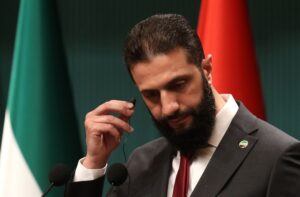
Syria has rejected a request from U.S. President Donald Trump for Damascus to intervene in Lebanon and disarm the Iran-backed group Hezbollah. Trump had repeatedly urged Syria in recent weeks to take the lead in disarming the powerful Shiite political and militant organization. The complex relationship between Syria and Lebanon has historically involved interventions from both sides over the decades. However, Syria has now publicly stated its refusal to engage in such an operation within Lebanese territory. This decision signifies a divergence between Syrian and U.S. foreign policy objectives regarding regional security and the influence of Iran-backed groups in the Middle East. The Syrian government's stance suggests a prioritization of its own regional interests and a reluctance to be drawn into a potentially destabilizing conflict at the behest of the United States. The refusal also highlights the ongoing geopolitical complexities and shifting alliances in the region.
The Syrian government's refusal to disarm Hezbollah in Lebanon, despite U.S. President Trump's request, underscores the intricate geopolitical landscape of the Middle East. This stance reflects Syria's strategic alignment and its role within a regional bloc that includes Iran and Hezbollah, often viewed as a counterweight to U.S. and Israeli influence. From a systemic perspective, Syria's decision prioritizes its existing alliances and regional security calculus over U.S. foreign policy directives. This highlights the persistent challenge of coordinating international security efforts when key regional actors have divergent strategic interests and established partnerships. The situation also points to the evolving dynamics of proxy influence and the difficulties external powers face in dictating terms to sovereign nations with deeply entrenched regional affiliations.
AI-generated to prompt reflection — not editorial opinion, not advice, not a statement of fact. How this works.