Syrian family in Dutch village questions future after repeated vandalism
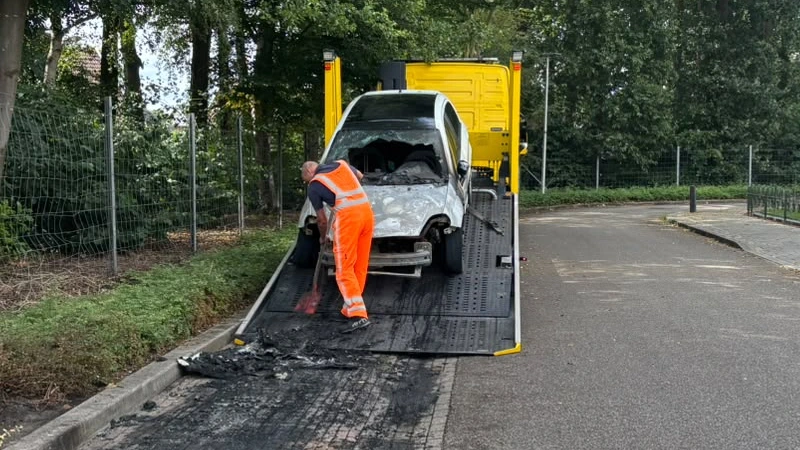
A Syrian family with refugee status in Geesteren, Netherlands, is contemplating leaving their new home after enduring four incidents of vandalism. Osman al Arab, the father, expressed his distress as his car was towed away, completely burnt out, following repeated attacks. His wife and young children, aged 3 and 6, are experiencing fear, with the youngest sensing the family's anxiety. The family, who had lived in asylum centers for four years, recently moved into a house only to find it targeted before they even settled in. Initially, stones were thrown through the windows three times, culminating in their car being set ablaze this past weekend. Al Arab stated he doesn't understand the motive, emphasizing they have done nothing to provoke such actions. Police confirmed arson as the cause of the car fire but have no leads on the perpetrator. Authorities are facing a challenge in gathering information, as local residents are reportedly too afraid to speak with the police, hindering the investigation. Chantal Westerhoff from the police acknowledged this fear, urging anyone with information to come forward, even anonymously. The repeated incidents have left the family questioning their safety and considering departure to avoid causing further fear among their neighbors. Mayor Anko Postma acknowledged the unrest in the village and assured that the safety and support of the family and community are top priorities. The police have increased patrols in the area as discussions continue between the mayor, police, and the Public Prosecution Service.
This incident highlights the profound challenges faced by refugee integration when met with xenophobic hostility, rather than community support. The repeated acts of vandalism and arson, coupled with resident fear of reprisal for cooperation, suggest a breakdown in social cohesion and trust. The perpetrators' actions, while criminal, may stem from underlying anxieties about demographic change and resource allocation, which are often amplified in smaller communities. The police's increased patrols are a necessary immediate response, but addressing the root causes of fear and prejudice will require sustained community dialogue and proactive integration initiatives. The family's consideration of leaving underscores the human cost of such intolerance, potentially perpetuating cycles of displacement and undermining broader integration goals. Future policy should focus on fostering inclusive community environments and robust support systems for both newcomers and existing residents to mitigate such conflicts.
AI-generated to prompt reflection — not editorial opinion, not advice, not a statement of fact. How this works.