Syrian refugee family in the Netherlands targeted by vandalism for fourth time
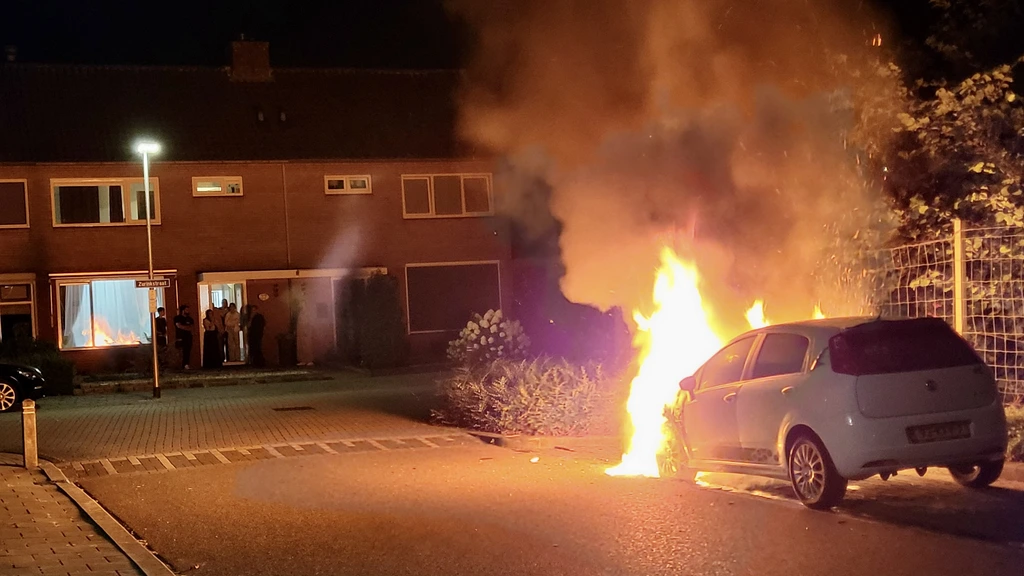
A Syrian refugee family residing in Geesteren, Netherlands, has been subjected to vandalism for the fourth time, with their car reportedly set on fire overnight. This incident follows three previous acts of property destruction targeting the same home before the family, who are status holders, could move in. The latest attack occurred after the family had already taken up residence. The mayor of Tubbergen, the municipality that includes Geesteren, expressed deep concern, calling the repeated targeting "terrible" and acknowledging the significant emotional toll on a family attempting to build a new life. The municipality is providing the family with additional support. The initial act of vandalism in March involved a brick thrown through a window accompanied by an angry letter, which led to a postponement of the family's relocation. Subsequent incidents included further damage to the house, even after the municipality installed surveillance cameras. In May, police distributed flyers in the village seeking information about the perpetrator(s), asking "Who sows fear and unrest in Geesteren?" To date, no arrests have been made. Authorities are currently conducting forensic investigations into the car fire. The repeated acts of vandalism have also caused distress among other residents in the neighborhood, highlighting a broader impact on community well-being.
This series of escalating attacks on a refugee family's property in Geesteren, Netherlands, raises critical questions about community integration and the effectiveness of local security measures. The repeated destruction of property, culminating in an arson attack, suggests a persistent, targeted animosity rather than isolated incidents. While the municipality has offered support and implemented surveillance, these measures have failed to deter further harm, indicating a potential gap in preventative strategies or enforcement. The incidents highlight the vulnerability of newly arrived populations and the challenges of fostering social cohesion when elements within a community actively resist integration. Moving forward, a comprehensive approach is needed, potentially involving enhanced community dialogue, targeted interventions to address the root causes of hostility, and a robust law enforcement response to ensure accountability and restore a sense of security for both the targeted family and the wider neighborhood.
AI-generated to prompt reflection — not editorial opinion, not advice, not a statement of fact. How this works.