T. rex fossil 'Gus' sells for $50 million, raising concerns for scientific access
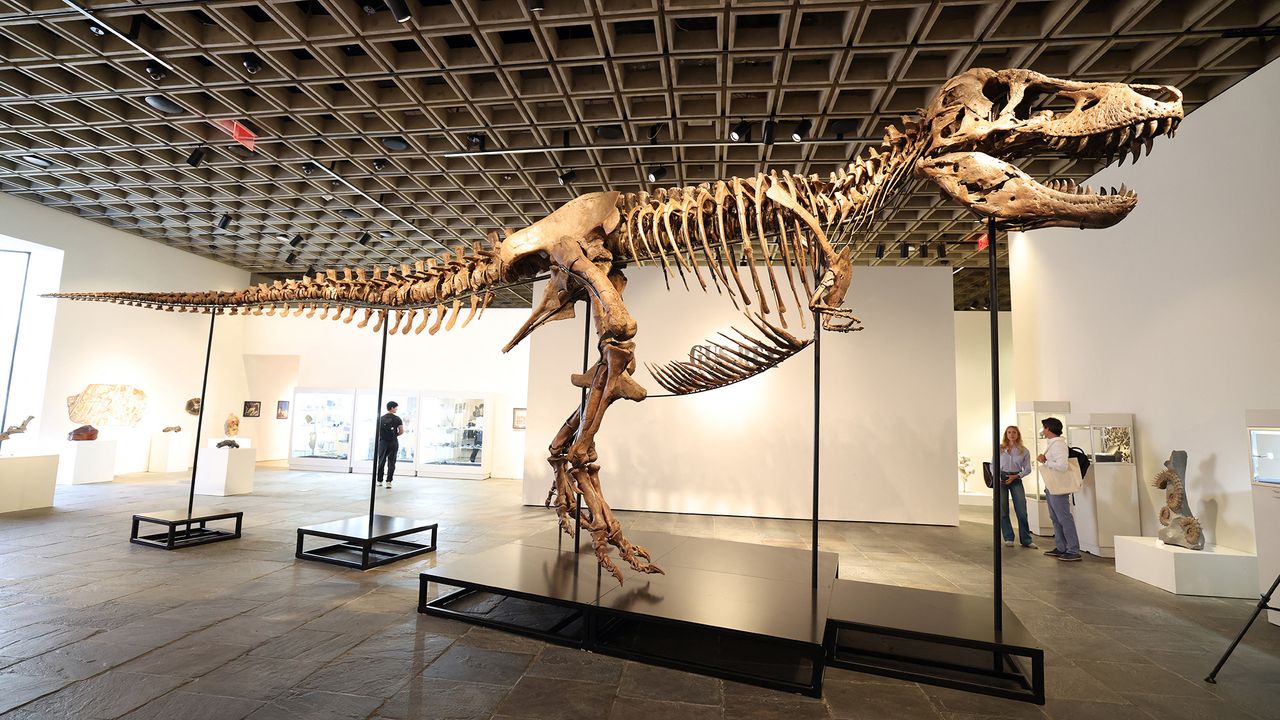
A Tyrannosaurus rex fossil, nicknamed Gus and discovered in South Dakota, has been sold at auction for $50 million. The sale has sparked concern among paleontologists regarding the potential loss of scientific access to this significant specimen. It remains unknown whether the new owner will permit researchers to study Gus. The high price fetched highlights the growing market for dinosaur fossils as luxury collectibles. This trend raises questions about the balance between private ownership and the preservation and study of scientific heritage. The potential inaccessibility of such finds could hinder future paleontological research and our understanding of prehistoric life. The sale of Gus underscores a broader debate about the ethics of privatizing natural history.
The sale of significant paleontological specimens like Gus for substantial sums reflects a burgeoning market where natural history artifacts are treated as luxury assets. This commercialization presents a tension between private ownership rights and the collective scientific endeavor to understand Earth's past. While private collectors may preserve specimens, the lack of guaranteed access for research can impede scientific progress. Future governance models for fossil discoveries might need to consider mechanisms that balance private investment with public scientific benefit, ensuring that invaluable data remains available for study and contributes to broader knowledge without stifling the economic incentives that drive excavation.
AI-generated to prompt reflection — not editorial opinion, not advice, not a statement of fact. How this works.