T. Rex Juveniles, Cat-Sized, Were Already Dangerous Predators
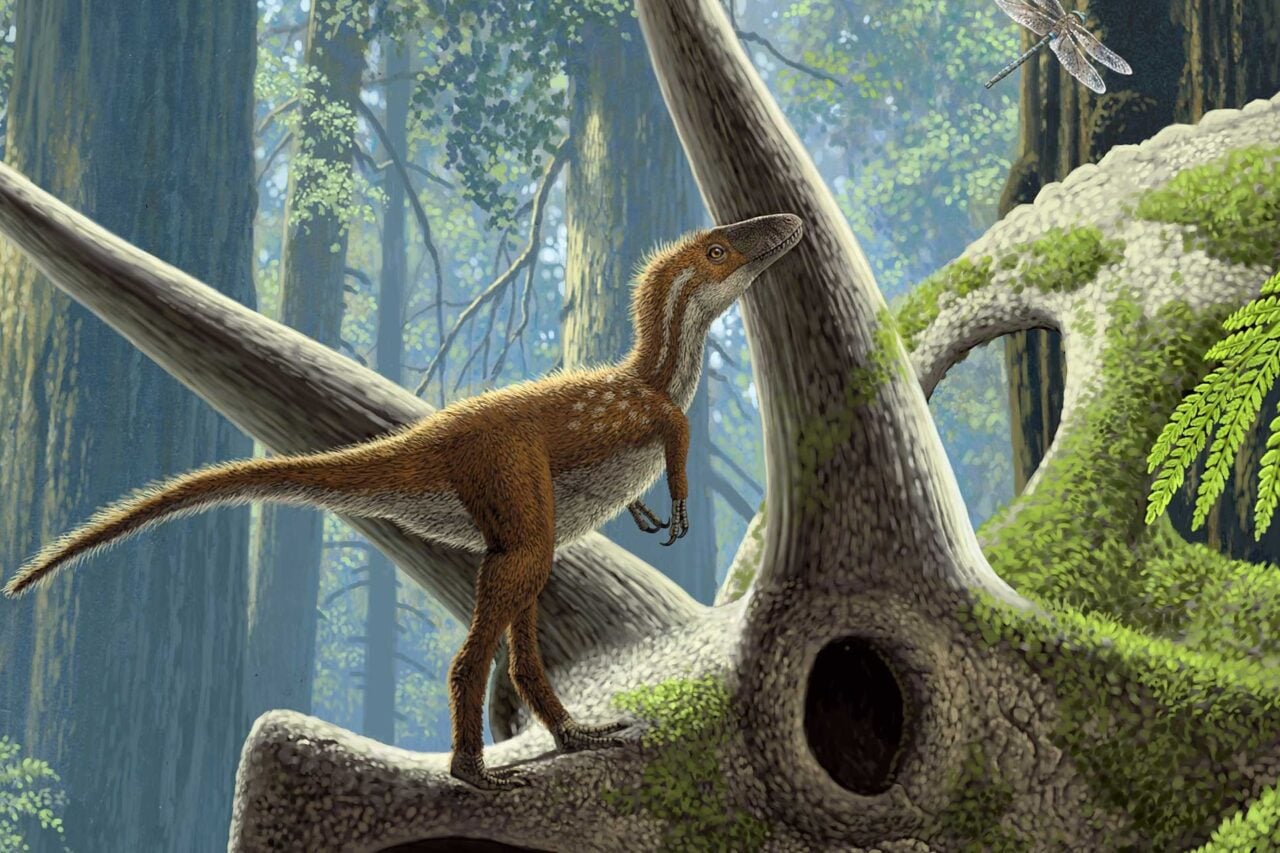
Newly discovered fossils of juvenile Tyrannosaurus rex are providing unprecedented insights into the early life stages of the iconic dinosaur. These young T. rex specimens indicate that they were significantly smaller than adults, comparable in size to house cats. Despite their diminutive stature, the analysis of their bone structure and musculature suggests they were already formidable predators. This discovery helps to bridge a critical gap in our understanding of the T. rex life cycle, from hatchling to apex predator. Previously, much of the T. rex's developmental period was poorly understood due to a lack of fossil evidence. The findings suggest that even at a young age, T. rex possessed the predatory capabilities necessary to hunt and survive. Further research on these fossils will likely reveal more about their diet, hunting strategies, and social behaviors during their juvenile phase. This new evidence challenges previous assumptions about the T. rex's growth trajectory and predatory prowess.
The discovery of juvenile T. rex fossils, comparable in size to house cats, highlights the evolutionary pressures that shaped early predatory development. Understanding the growth trajectory and predatory capabilities of young dinosaurs offers insights into the ecological dynamics of prehistoric ecosystems. This finding prompts consideration of how species' developmental stages influence their role within a food web and the competitive landscape they inhabit. Examining these early life stages can illuminate broader patterns in predator-prey relationships and the strategic advantages conferred by rapid maturation or specialized juvenile hunting behaviors. Such discoveries underscore the importance of paleontological research in reconstructing ancient environments and the complex life histories of extinct organisms, providing a long-term perspective on biological adaptation.
AI-generated to prompt reflection — not editorial opinion, not advice, not a statement of fact. How this works.