T. Rex Skeleton Fetches Record $50.1 Million at Sotheby's Auction
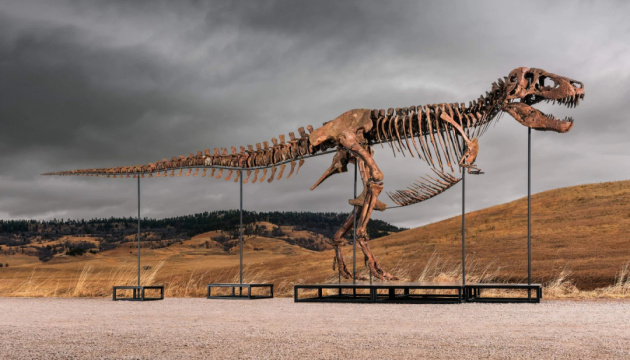
A Tyrannosaurus rex fossil, described as one of the largest and most complete specimens globally, was sold at auction on Tuesday for a record-breaking price of $50.1 million. The sale took place at Sotheby's, a renowned international auction house. This significant sale highlights the immense value placed on rare paleontological discoveries in the global market. The T. rex skeleton's exceptional completeness and size likely contributed to its record-setting price. Such auctions often attract wealthy collectors and institutions interested in acquiring unique pieces of natural history. The acquisition of such a specimen could advance scientific research or become a centerpiece for a private collection. The event underscores the growing trend of high-value natural history items being traded on the open market.
The sale of the T. rex skeleton for $50.1 million demonstrates the substantial market demand for unique paleontological specimens, driven by collectors and institutions. This high valuation reflects not only the rarity and completeness of the fossil but also the broader trend of significant capital being allocated to tangible assets with historical and scientific value. From a systems perspective, this market dynamic raises questions about accessibility for scientific research versus private ownership. Future considerations may involve balancing commercial interests with the imperative to preserve and study such irreplaceable pieces of natural heritage for public benefit and scientific advancement. The long-term implications for scientific discovery and public engagement with paleontology will depend on how such specimens are ultimately utilized and shared.
AI-generated to prompt reflection — not editorial opinion, not advice, not a statement of fact. How this works.