T. Rex skeleton named Gus sells for $50.1 million, setting new fossil auction record
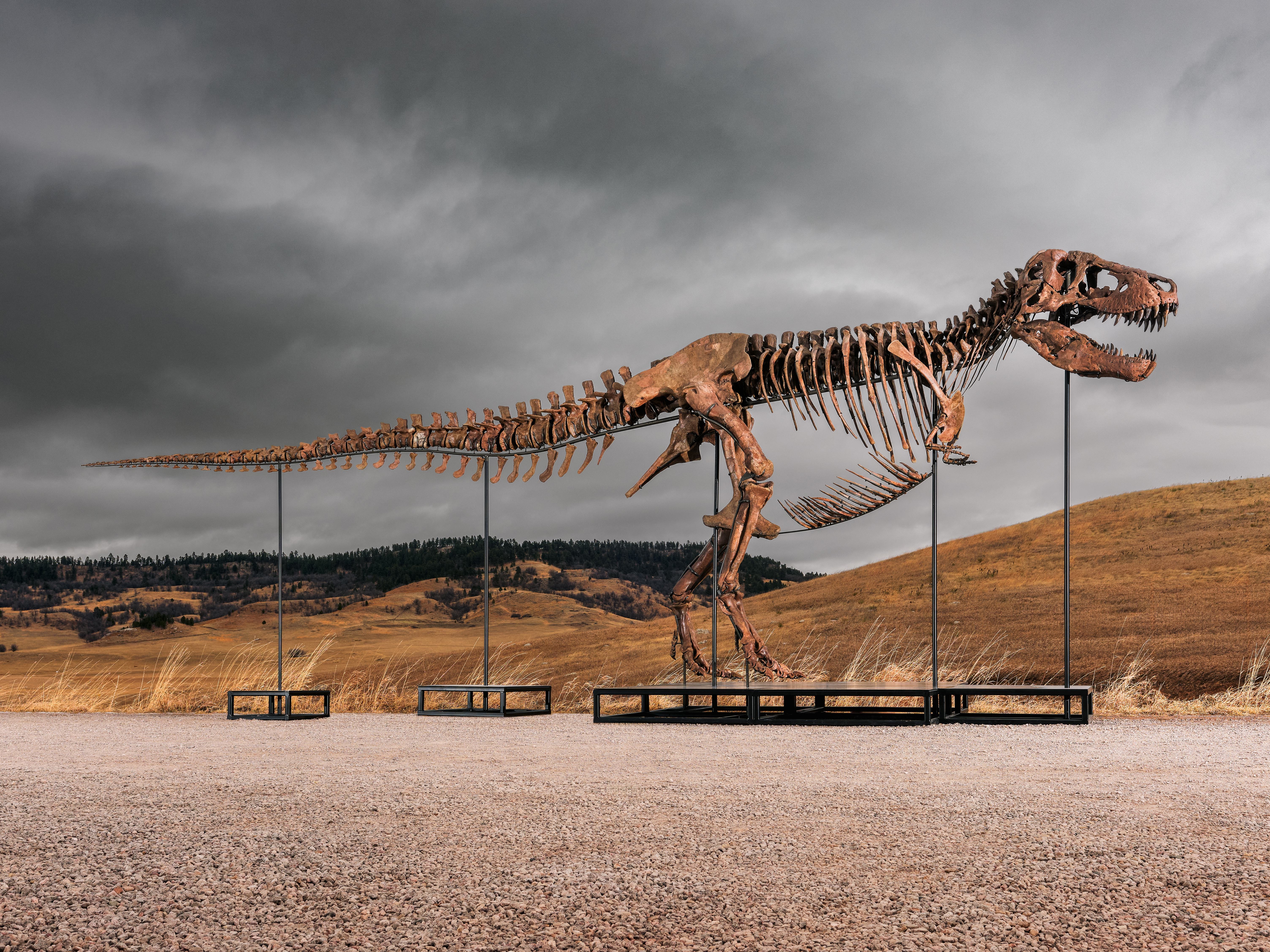
A Tyrannosaurus rex skeleton, nicknamed "Gus," has sold for $50.1 million (approximately R$ 255 million) at a Sotheby's auction in New York City on Tuesday, February 14th. This price sets a new world record for a fossil, surpassing the previous record of $44.6 million paid for the stegosaurus "Apex" in 2024. The T. rex "Stan" previously held the record, selling for $31.8 million in 2020. The identity of the buyer, who placed the winning bid by phone, remains undisclosed. Gus lived approximately 67 million years ago, and his fossils were discovered on a ranch in South Dakota, USA. The excavation took place between 2021 and 2023, followed by three years of preparation and assembly for display. Measuring 11.6 meters long and 3.8 meters high, Gus is one of the largest T. rex specimens ever found. The skeleton includes 183 fossilized bones, representing about 61% of the original bones and 75-80% of the animal's bone mass. Evidence of healed fractures and bite marks on the skull suggests Gus survived significant injuries during his lifetime. Experts express concern that sales to private collectors may limit access for researchers and the public, though it is currently unknown if Gus will be loaned to a museum. In the United States, fossils found on private land are eligible for sale, a stark contrast to Brazil, where such paleontological heritage belongs to the federal government and cannot be commercialized.
The record-breaking sale of the T. rex "Gus" highlights the burgeoning market for significant paleontological finds, particularly among private collectors. While such transactions can fund further excavation and preservation, they also raise questions about equitable access to scientific and educational resources. The differing legal frameworks for fossil ownership between the U.S. and countries like Brazil underscore the complex interplay between private property rights, national heritage, and scientific advancement. Future market dynamics may see increased competition for exceptionally rare specimens, potentially driving up prices further and necessitating clearer international guidelines on the provenance and public accessibility of such historical artifacts. The long-term implications for scientific research and public engagement with natural history will depend on the eventual disposition of these valuable fossils.
AI-generated to prompt reflection — not editorial opinion, not advice, not a statement of fact. How this works.