Tabatinga Hospital Kitchen Staff Strike Over Four Months of Unpaid Wages
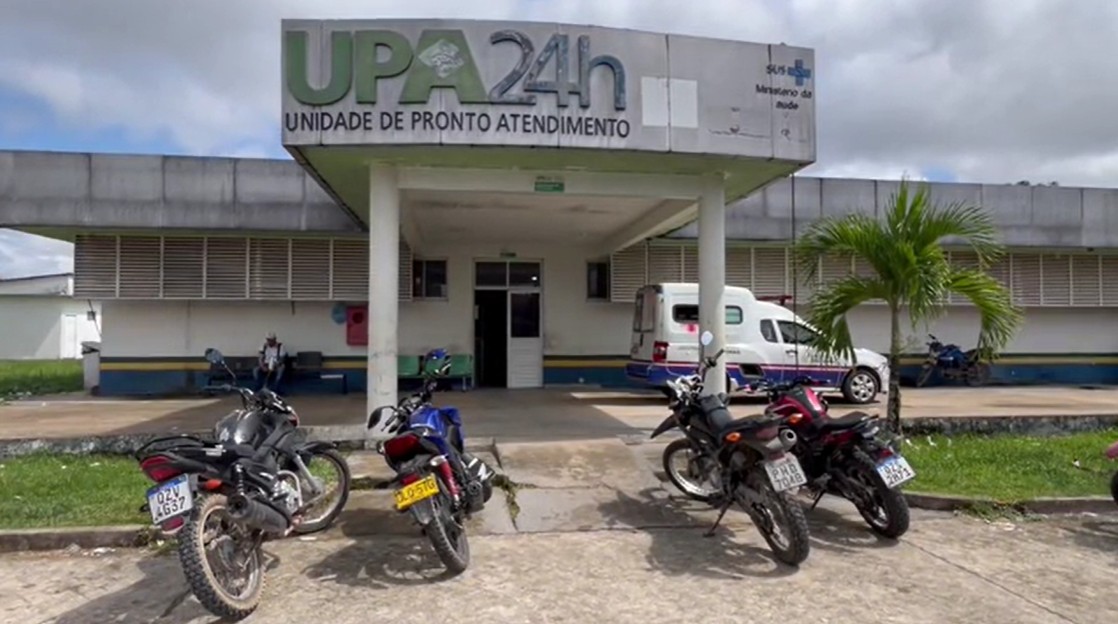
Kitchen staff at the Hospital de Tabatinga in Amazonas, Brazil, initiated a work stoppage on Friday, May 10th, to protest four months of overdue salaries. Workers report that salary delays have been a recurring issue for over three years, with payments often remaining partially unsettled even after some months are eventually paid. This ongoing financial instability has led the employees to halt some of their duties to demand a resolution from the contracted service company. One anonymous worker highlighted the systemic nature of the problem, stating that other companies are also experiencing wage delays and that oversight bodies have not provided assistance. The partial strike has significantly affected meal services within the hospital. Previously, healthcare professionals received breakfast, lunch, snacks, and dinner, but these services have been suspended for staff. Meals are now exclusively provided to hospitalized patients and their companions to ensure continuity of care. As of Monday, May 13th, the company contracted by the Amazonas State Health Secretariat (SES-AM) had not announced a payment schedule for the four months of owed wages. Attempts by Rede Amazônica to solicit comments from SES-AM and the service provider regarding the salary arrears and plans to restore meal services were unsuccessful by the time of publication.
This situation highlights a critical breakdown in the contractual obligations between a state health secretariat, a service provider, and essential hospital workers. The recurring nature of salary delays, spanning over three years, suggests potential systemic issues in financial oversight, contract enforcement, or the provider's operational capacity. The impact on healthcare professionals' welfare and the subsequent disruption of services, even if partially mitigated for patients, underscores the fragility of supply chains in public services. Future considerations should involve robust performance bonds, transparent payment schedules, and clear penalties for non-compliance to ensure the stability of essential services and the fair treatment of workers in public health infrastructure.
AI-generated to prompt reflection — not editorial opinion, not advice, not a statement of fact. How this works.