Taboleiro Waterfall Closed Again by Court Order Due to Safety Concerns
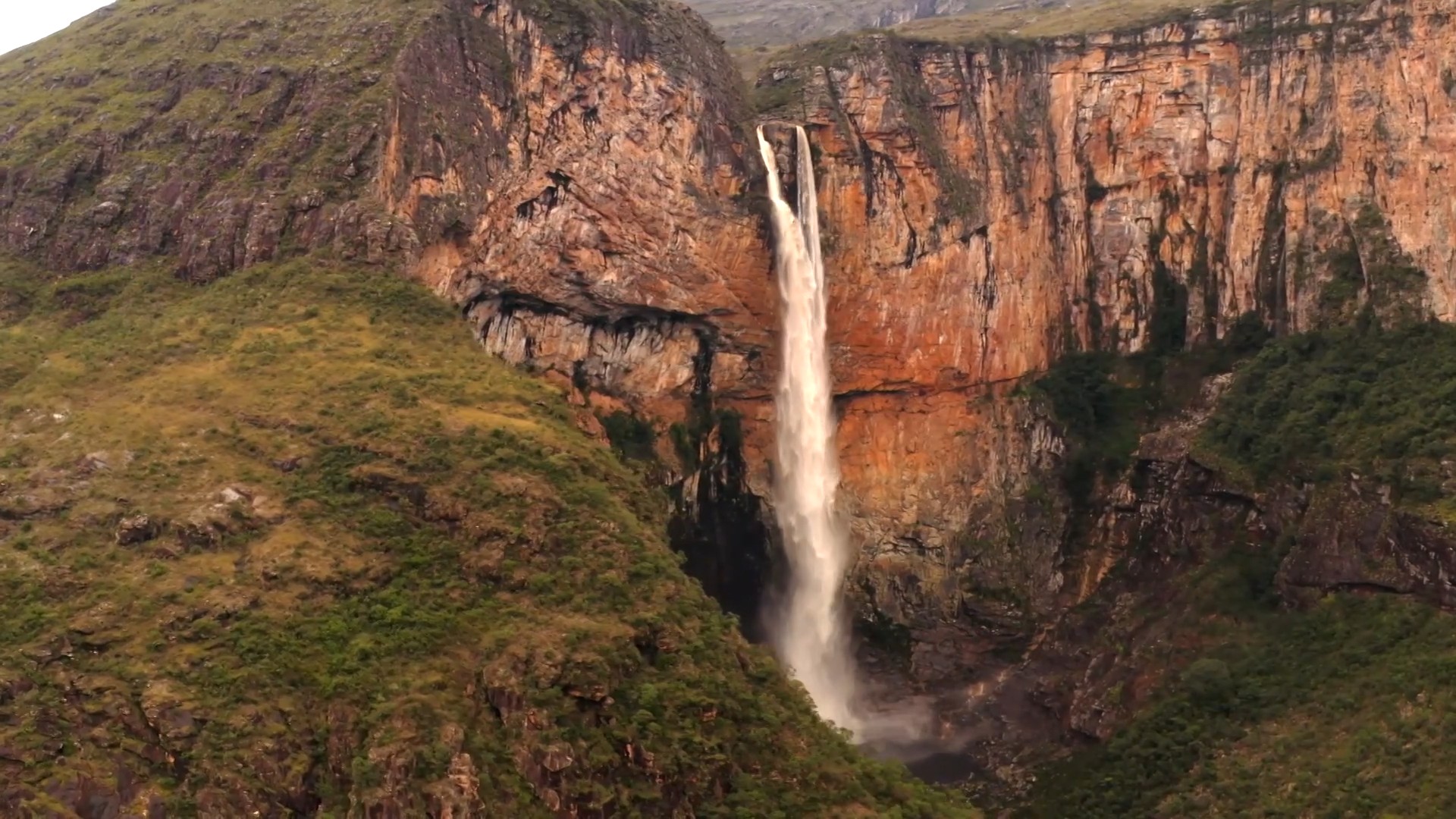
A court in Minas Gerais, Brazil, has ordered the immediate closure of the main pool and surrounding areas of the Cachoeira do Tabuleiro waterfall. This decision comes just six days after the popular natural attraction was reopened to the public on Sunday, May 19th. The waterfall, which stands at 280 meters and is the tallest in Minas Gerais and third tallest in Brazil, had been closed for nearly five years prior to its recent reopening.
The closure was requested by the Public Prosecutor's Office of Minas Gerais (MPMG), which argued that several safety measures agreed upon in a December 2025 accord had not been implemented. These required measures include the installation of meteorological and pluviometric stations for monitoring water spouts, a permanent seismic monitoring system, continuous oversight of critical points on the rock face, and adjustments to the park's management plan. The court mandated physical isolation of the area within a 500-meter radius of the waterfall, with barriers and clear signage prohibiting entry.
Technical documentation reviewed by the prosecution indicated that the safety certification only covered areas where rock removal had occurred, not the entire cliff face, which has sections classified as high and medium risk. The court's decision highlighted persistent geological and hydrological risks that could endanger visitors. A daily fine of R$1,000, capped at R$10,000, was imposed for non-compliance, and the municipality must prove adherence to the MPMG agreement. The waterfall's main pool was initially closed in 2021 following the detachment of a rock block, with subsequent expert assessments recommending permanent monitoring and prevention measures.
The court's decision to re-close Cachoeira do Tabuleiro underscores the complex interplay between public access to natural attractions and the imperative of ensuring visitor safety. The MPMG's action highlights a potential governance gap where initial agreements for safety enhancements may not be fully realized, leading to renewed judicial intervention. This situation suggests a need for more robust oversight mechanisms and transparent accountability frameworks for park management and safety certifications. Moving forward, balancing the economic and recreational benefits of such sites with rigorous, verifiable safety protocols will be crucial, especially as climate-related geological and hydrological events may increase in frequency and intensity.
AI-generated to prompt reflection — not editorial opinion, not advice, not a statement of fact. How this works.