Taco Bell Lettuce Supplier Linked to Major US Cyclosporiasis Outbreak
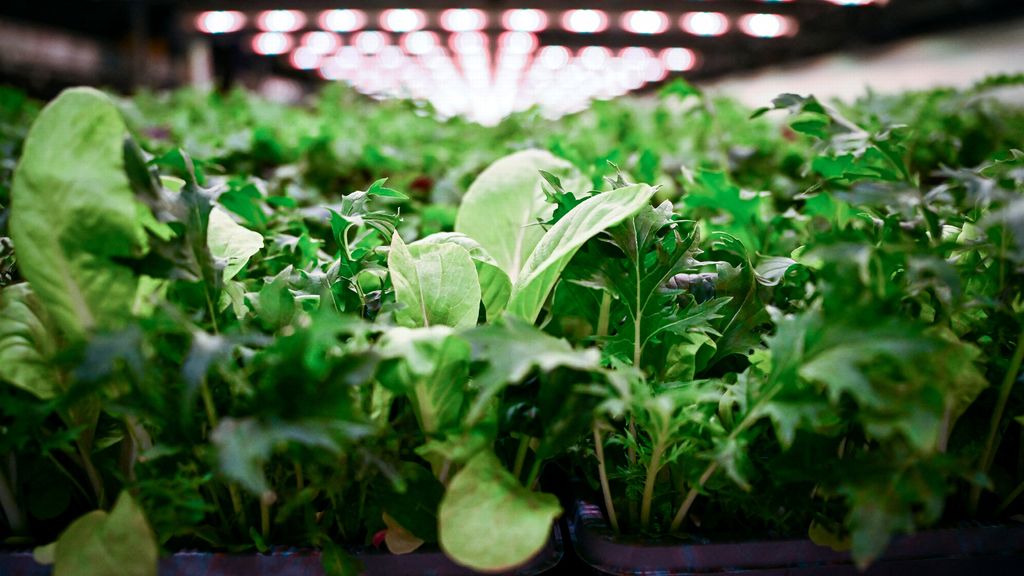
Finely shredded iceberg lettuce supplied to Taco Bell restaurants is suspected to be the source of a significant diarrheal outbreak across the United States, according to sources cited by The Washington Post. The lettuce is reportedly from the American company Taylor Farms. The parasitic illness, cyclosporiasis, has affected over 4300 individuals, with the majority of cases concentrated in Michigan, where over 100 people required hospitalization. Significant numbers of infections have also been reported in Ohio, West Virginia, and Kentucky. Preliminary investigations suggest a link to Taco Bell, as many sick individuals reported eating there shortly before falling ill, and finely shredded lettuce was a frequently consumed ingredient. Researchers have reportedly identified Taylor Farms as the supplier of lettuce to the affected restaurants. The US Centers for Disease Control and Prevention (CDC) has indicated that the outbreaks in these four states are likely interconnected. The Food and Drug Administration (FDA) is investigating multiple vegetable types, including lettuce, though an official cause has not yet been determined. Taco Bell has proactively removed fresh ingredients, including lettuce, from its menu in some locations as a precautionary measure and stated its commitment to following health authority guidance. Taylor Farms has not yet commented on the reports. Infections have been confirmed in at least 34 US states, and health officials anticipate a rise in confirmed cases in the coming weeks. Cyclosporiasis is an intestinal infection caused by the Cyclospora parasite, typically contracted through contaminated food or water, leading to prolonged diarrhea, abdominal pain, and nausea.
This incident highlights critical vulnerabilities within complex food supply chains, particularly concerning the potential for widespread public health impacts originating from a single supplier. The reliance on shared agricultural inputs across multiple fast-food outlets amplifies the risk of rapid pathogen dissemination. Future food safety protocols may need enhanced traceability mechanisms and more robust, real-time monitoring systems to quickly identify and isolate contamination sources before they affect large populations. The interconnectedness of global food systems, coupled with the increasing frequency of such outbreaks, suggests a growing need for proactive, data-driven risk assessment and international cooperation in food safety standards to mitigate systemic vulnerabilities in the coming decade.
AI-generated to prompt reflection — not editorial opinion, not advice, not a statement of fact. How this works.