Tadalafil's Social Media Frenzy Sparks Medical Warnings in Brazil
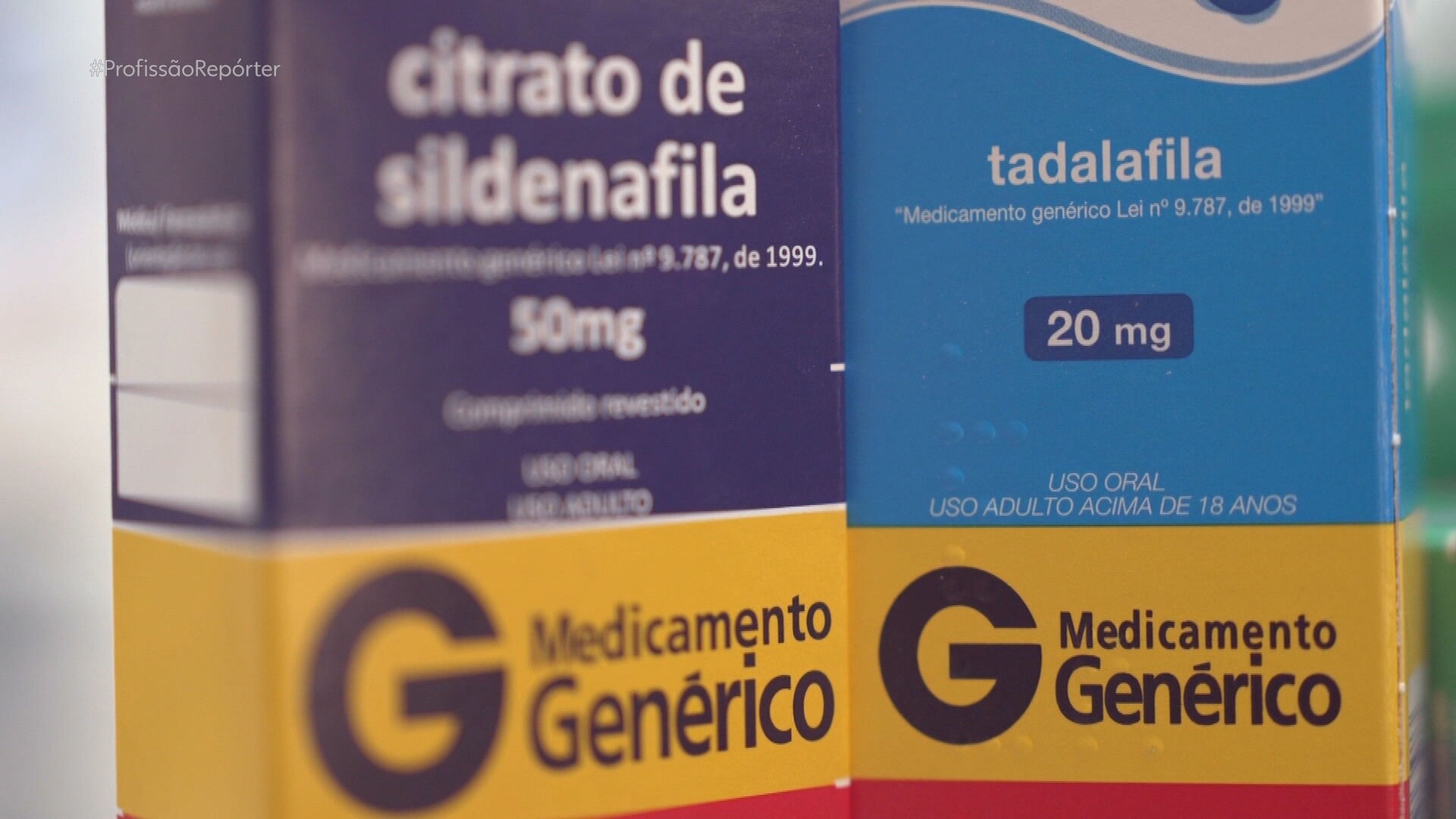
Tadalafil, nicknamed 'tadala,' has seen a dramatic surge in popularity in Brazil, with sales increasing by over 2,000% in the past decade. Driven largely by social media influencers and users, the drug is promoted for enhancing sexual and physical performance. Sales grew from approximately 3 million boxes in 2015 to nearly 75 million by 2025, making it the second-highest selling medication in Brazil. Tadalafil is a vasodilator primarily prescribed for erectile dysfunction, pulmonary arterial hypertension, and prostate-related urinary symptoms. However, its appeal has extended to healthy young men seeking improved sexual performance and gym-goers aiming for muscle gain, despite a lack of scientific evidence supporting these uses. Medical professionals and regulatory bodies like Anvisa and the Ministry of Health have issued alerts regarding its misuse as a pre-workout stimulant. Experts emphasize that tadalafil does not increase sexual desire or induce automatic erections. The indiscriminate use can lead to psychological dependence, where individuals feel they require the drug for satisfactory sexual experiences. Common side effects include headaches, muscle pain, nasal congestion, facial flushing, and gastrointestinal issues like heartburn. More severe adverse effects can occur, particularly when combined with alcohol, energy drinks, anabolic steroids, or recreational drugs. Doctors strongly advise against self-medication, stressing that tadalafil should only be used under medical supervision and for approved indications.
The widespread promotion of tadalafil on social media for non-approved uses highlights a growing trend of performance-enhancing drug misuse driven by digital platforms. While the drug's vasodilatory properties are medically established for specific conditions, its off-label promotion for sexual and athletic enhancement, particularly among healthy individuals, bypasses established medical protocols and evidence-based practice. This situation presents a public health challenge, as the perceived benefits, amplified by social media narratives, overshadow potential risks such as psychological dependence and adverse health effects, especially when combined with other substances. Regulatory bodies and medical professionals face an ongoing struggle to counter misinformation and ensure that medication is used appropriately, underscoring the need for enhanced digital health literacy and stricter oversight of online health claims to protect public well-being.
AI-generated to prompt reflection — not editorial opinion, not advice, not a statement of fact. How this works.