Tai Po Fire Survivors Denounce Authorities After Inquiry Conclusion
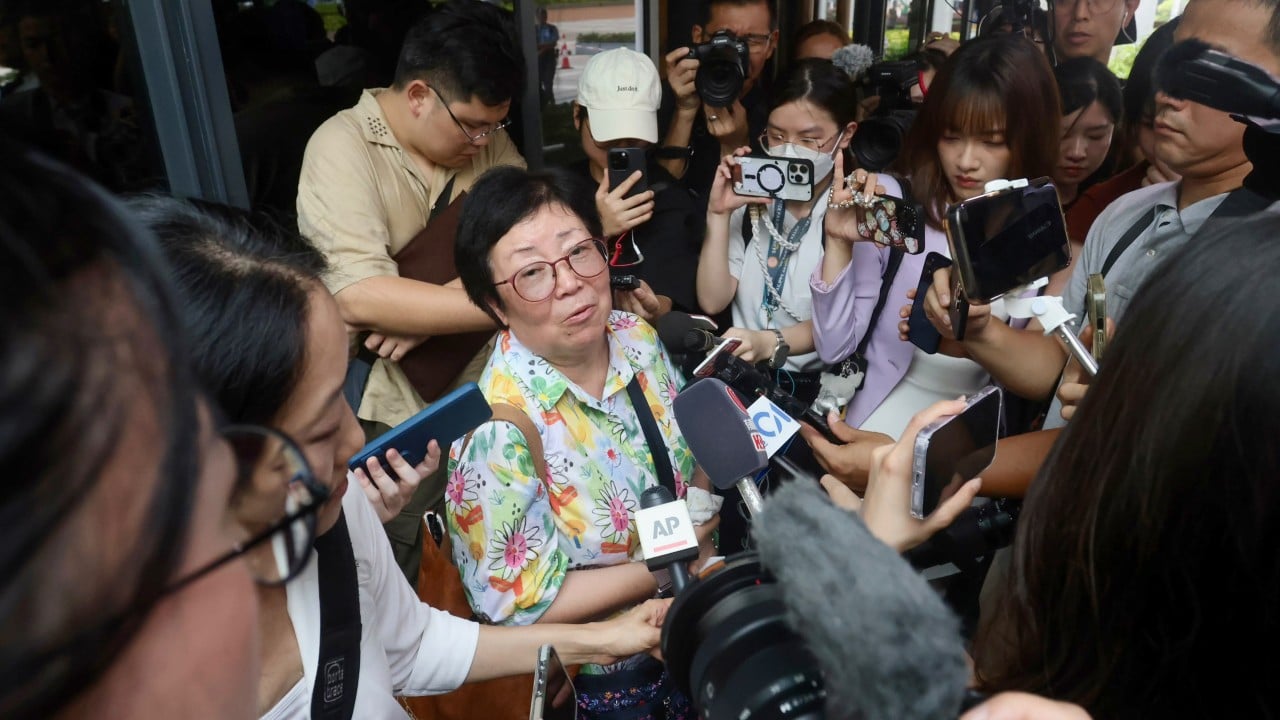
Survivors of a deadly fire at Hong Kong's Wang Fuk Court expressed anger and exhaustion following the conclusion of an inquiry into the incident. Residents condemned government departments, accusing them of shirking responsibility and failing to provide accountability. The survivors are demanding both accountability and apologies from the authorities. The inquiry's findings have left the affected residents deeply dissatisfied, highlighting a perceived lack of decisive action and support from official bodies. This sentiment underscores the ongoing emotional toll the tragedy has taken on those who lost their homes and loved ones. The condemnation suggests a significant breakdown in communication and responsibility between the government and the public during a crisis. The demand for apologies indicates a deep-seated need for acknowledgment of the failures that led to the devastating fire. The survivors' reactions point to a broader issue of public trust in disaster response and governmental oversight.
The survivors' strong reactions highlight a critical disconnect between governmental inquiry processes and the lived experiences of those impacted by tragedy. While official inquiries aim to establish facts and assign responsibility, the perceived 'passing the buck' suggests systemic issues in inter-departmental coordination and accountability frameworks. This event underscores the challenge of ensuring that governmental bodies prioritize resident safety and provide transparent, empathetic responses during and after crises. Future governance models may need to integrate more robust mechanisms for direct community feedback and empower local authorities to act decisively, rather than relying on complex bureaucratic layers that can obscure accountability and delay justice for affected populations.
AI-generated to prompt reflection — not editorial opinion, not advice, not a statement of fact. How this works.