Taiwan Food Safety Scandal Threatens Ruling Party's Election Prospects
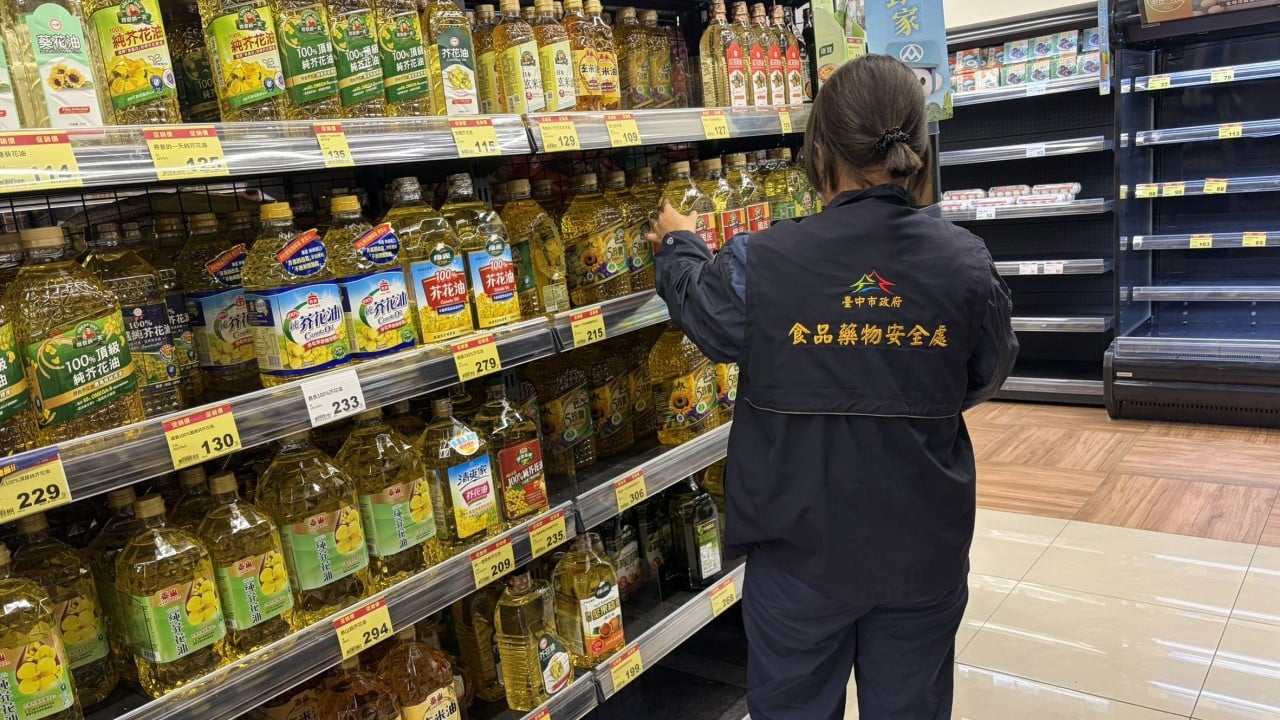
Taiwan's most significant food safety scandal in recent years has emerged as a political challenge for the ruling Democratic Progressive Party (DPP). This controversy provides the opposition with substantial leverage as the island prepares for local elections scheduled for November. The current issue involves soybean salad oil manufactured by Central Union Oil Corporation. Investigations revealed that the product contained dangerously high concentrations of benzo[a]pyrene (BaP). The International Agency for Research on Cancer has officially classified BaP as a carcinogen, raising serious public health concerns. This incident is poised to significantly impact voter sentiment and the DPP's electoral performance.
This food safety incident highlights the critical intersection of public health, corporate accountability, and electoral politics in Taiwan. The presence of a known carcinogen in a widely consumed product like soybean oil raises questions about regulatory oversight and enforcement mechanisms within the food industry. The scandal's timing, close to the upcoming local elections, presents a clear challenge for the incumbent DPP, as opposition parties are likely to capitalize on public concern to gain political advantage. Moving forward, robust food safety protocols, transparent supply chain management, and swift, decisive regulatory action will be crucial for rebuilding consumer trust and mitigating the long-term political fallout. The event underscores the ongoing tension between economic activity and public well-being, a dynamic that will continue to shape governance and policy in the coming decade.
AI-generated to prompt reflection — not editorial opinion, not advice, not a statement of fact. How this works.